

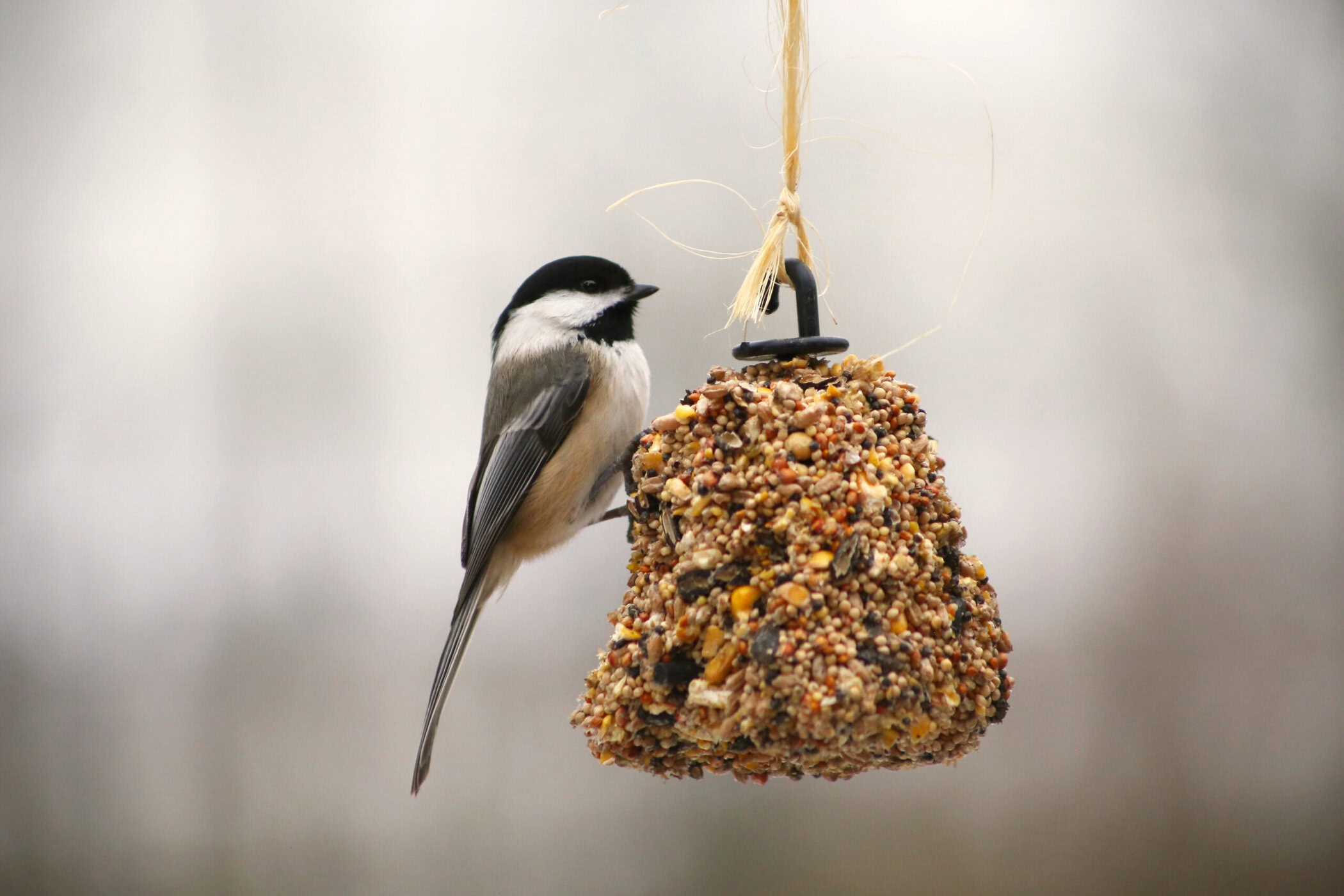
New Yorkers, like many Americans, love feeding wild birds. According to data from the U.S. Fish & Wildlife Service, nearly 60 million of us feed the birds in our yards.
But when and why is feeding wild birds okay when we’re told never to feed most other wild animals? Experts say that feeding wild birds can be beneficial as a supplement, especially surrounding winter and to support migration. Yet without smart practices, like taking feeders down by April 1, feeding can inadvertently harm the birds we love — and other species, like bears. Here’s how to keep your feathered visitors safe and well fed (and your other animal friends protected).
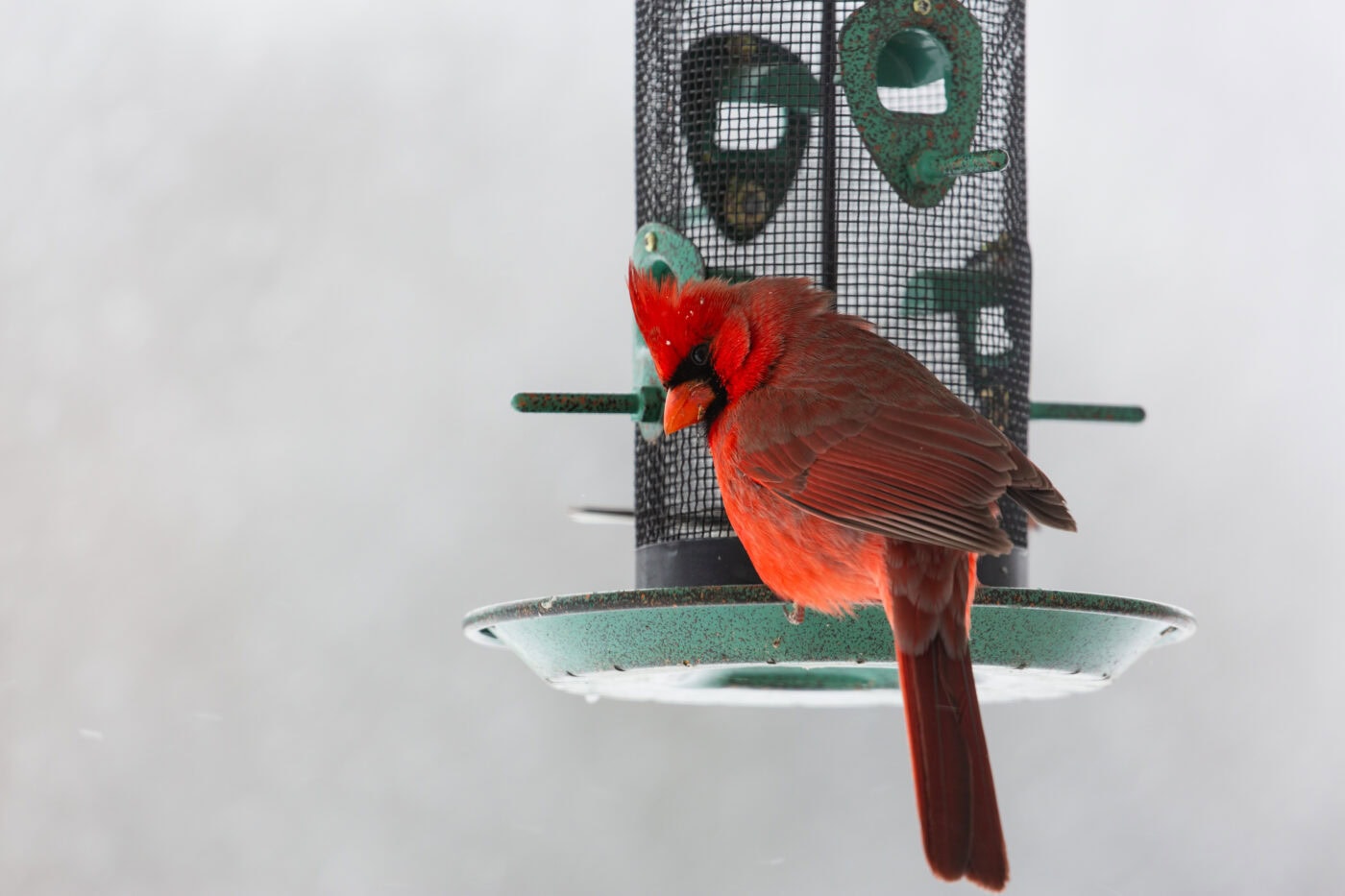
Avoid “junk food”
When it comes to filling your feeders, the experts agree that quality is far more important than variety. Filler seeds like millet don’t offer much nutrition and can attract unwanted species like house sparrows.
Millet is the “white bread” of bird seed, according to Ryan MacLean, senior coordinator of education at Connecticut’s Greenwich Audubon Center. “It not only doesn’t provide much nutrition for them, but you tend to get more invasive species like house sparrows at your feeders,” MacLean says. He considers black oil sunflower the “universal standard” because its high fat and protein content provides the essential fuel birds need to survive cold nights.
With the right seed, feeders give bird lovers an opportunity to provide needed calories and nutrition to migrating and nesting birds, says Holly Grant, project assistant at Cornell Lab’s Nestwatch in Ithaca, N.Y. “Feeders can be a great way to help your local birds,” Grant says. “Providing energy-rich foods like sunflower seeds, peanuts, thistle, sugar water, and suet are especially helpful during pre- and post-migration, and can be helpful for birds enduring particularly cold, harsh weather.”
Energy-rich foods like peanuts, suet, and thistle are especially helpful for birds recovering from migration. To avoid the mess that attracts rats and raccoons, Grant recommends using “no-mess” or hulled sunflower blends, which eliminate the discarded shells that pile up on the ground.
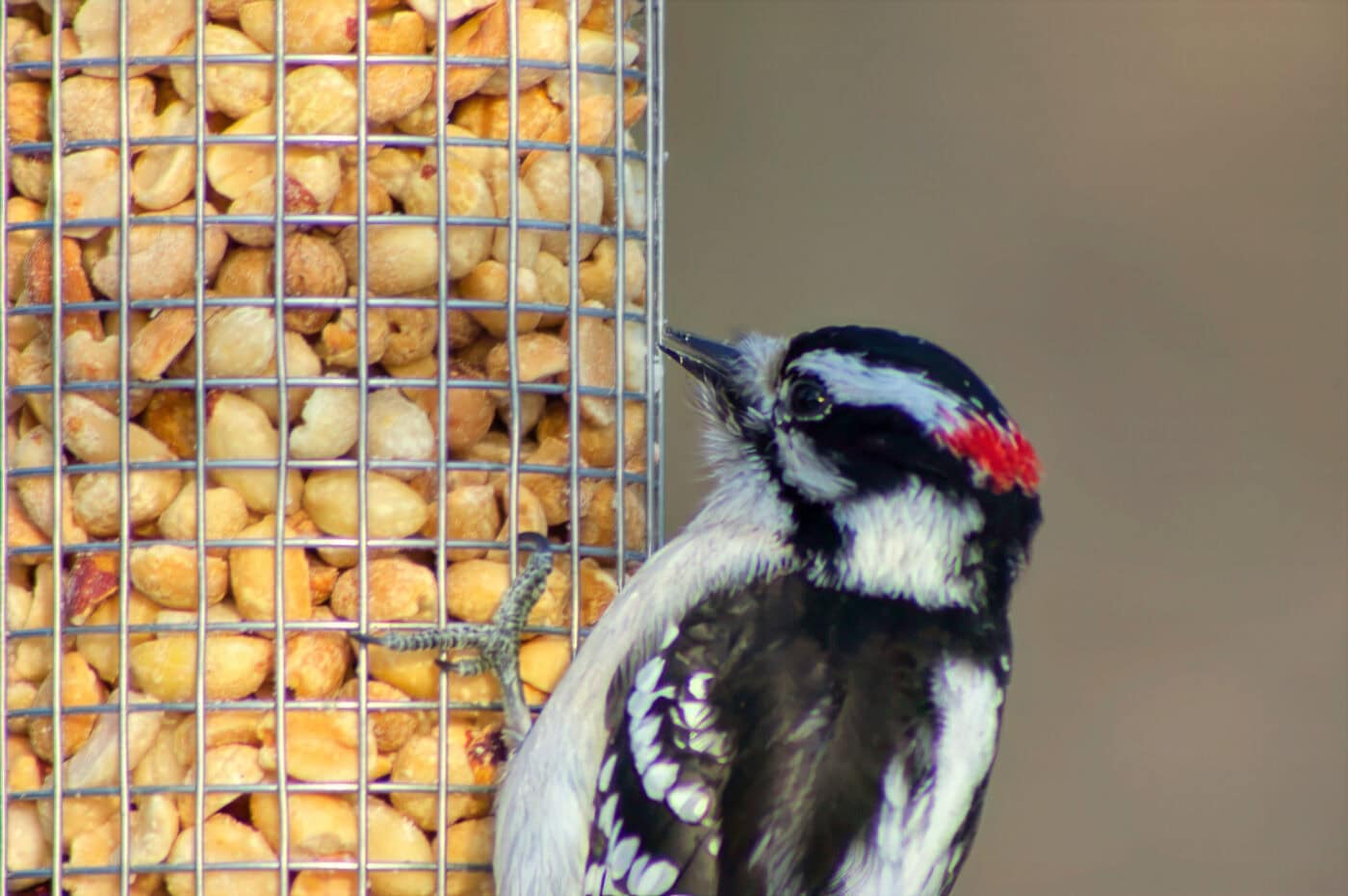
By skipping the cheap mixes and choosing these nutrient-dense options, you ensure your backyard buffet is both healthy for the birds and cleaner for your yard.
Watch it on (not just from) the windows
Another common mistake people make is placing feeders too close to the house (and thus, their windows). About 1 billion birds die from window strikes each year in the U.S. and Canada. And they aren’t all hitting skyscrapers — half of these deaths are from residences three stories or less.
Improper feeder placement can worsen the window strike issue. “Either you want to have the feeders very close to your window, or at least 30 feet away,” says MacLean. “Having them 4 or 5 feet from the window increases the amount of velocity and impact they could have if a hawk comes and birds need to scatter.”
Caroline Bailey, a Kingston resident who is community conservation program associate for Audubon New York and Connecticut, agrees. “Bird feeders should either be attached to windows, within 3 feet of a window, or 30 feet away from a window,” she notes. This helps prevent window collisions.”
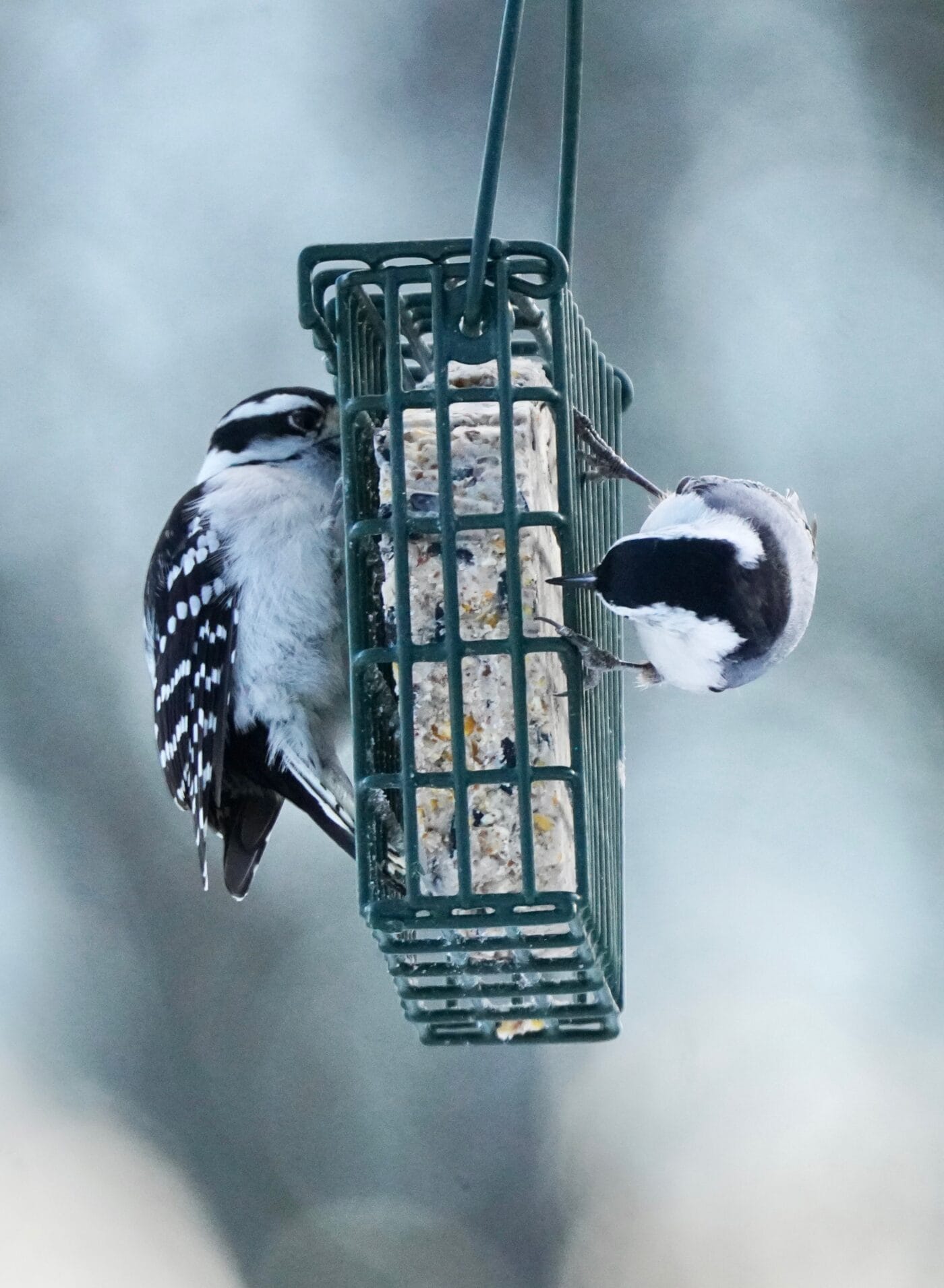
You should also avoid placing feeders too close to areas that serve as cover for predators, like domestic cats. “Make sure to place feeders a medium distance away from shrubs, bushes, or other similar areas where a predator (such as feral cats) can hide and pounce from,” Grant says. “Around 1 foot away is usually sufficient.”
That said, you should also avoid too much open space around a feeder since your feeder birds will feel exposed to predators from above. “Birds love to have a perch somewhat near to feeders so that they aren’t flying across a wide expanse of open lawn where it is also easy to be spotted by predators, like hawks,” said Grant.
Keep feeders clean
A dirty feeder is worse than no feeder at all, experts agree. When birds congregate in high numbers at a single food source, the risk of spreading disease like salmonella or conjunctivitis increases significantly. Pay attention to local environmental news so you’ll know if there’s a particular outbreak as well.
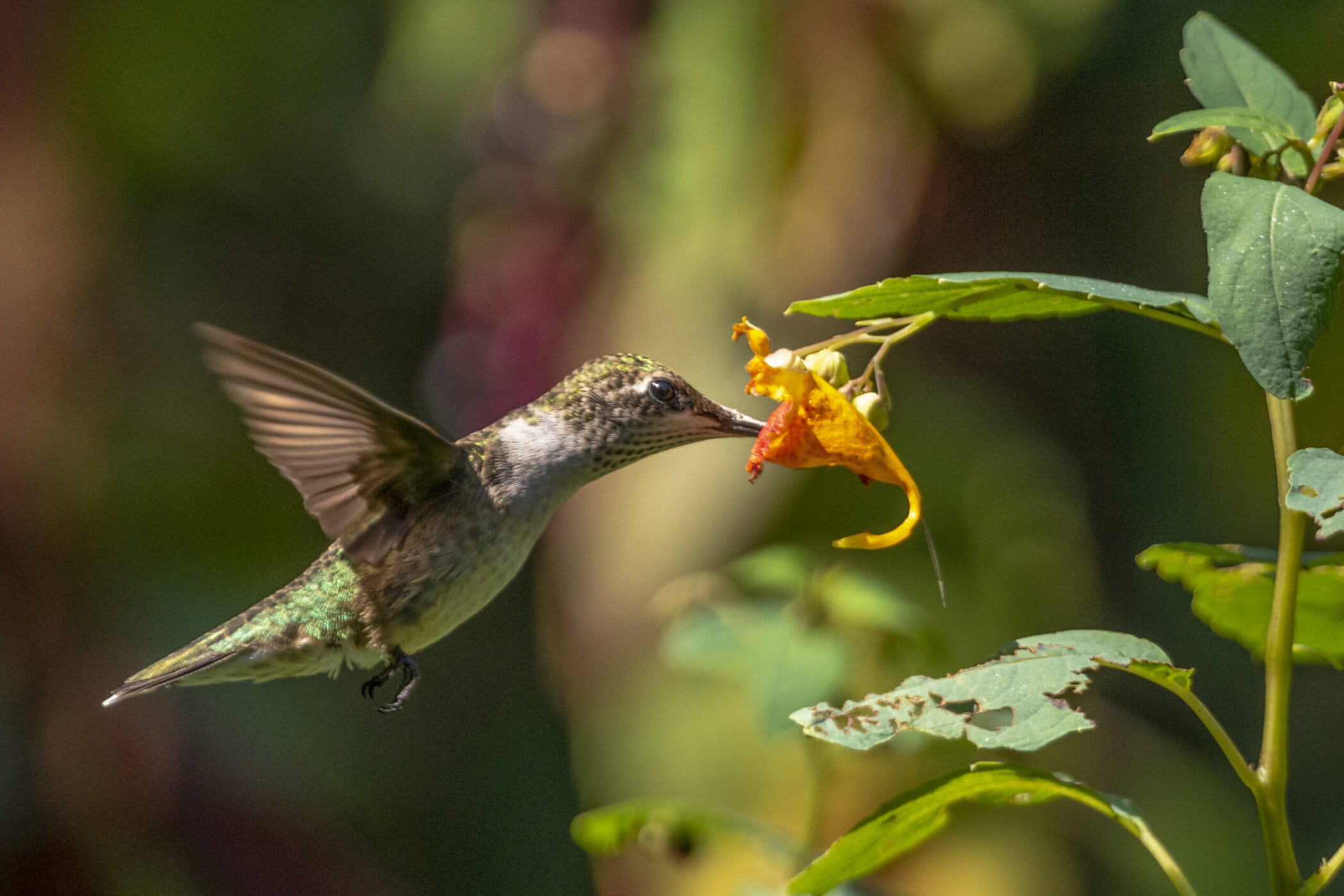
A good rule of thumb is to clean seed feeders every 1-2 weeks. Hummingbird feeders should be cleaned more often (daily or every other day). Grant recommends “cleaning feeders at least once every week or two by scrubbing with hot water and a mild detergent, then soaking in either a weak bleach solution for ten minutes or a vinegar solution for one hour. Be sure to let them dry completely and fill with new seed before replacing them outside.”
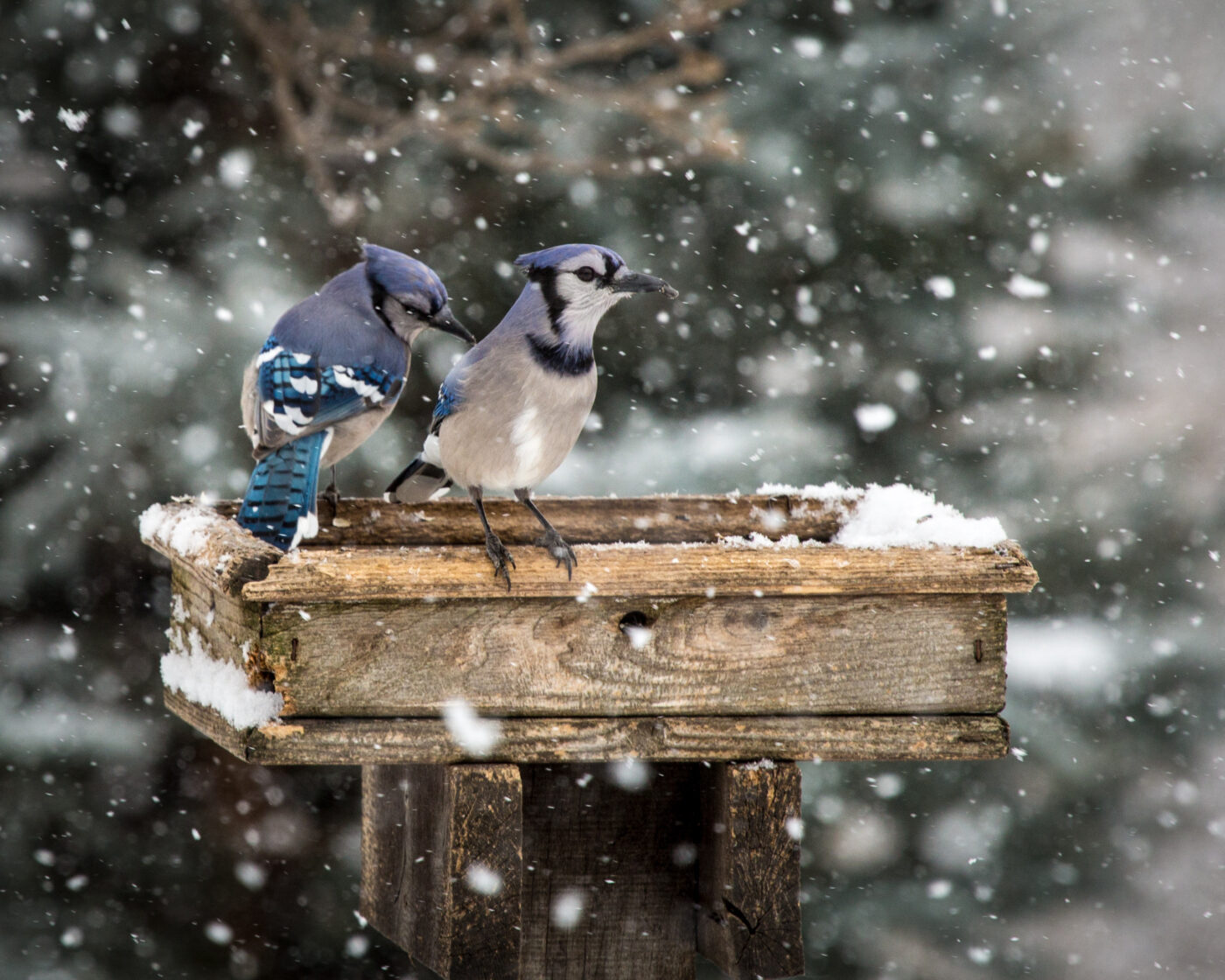
Another common mistake people make is having stagnant water out for too long, Bailey says. “This can hold bacteria and parasites,” she says. “People can offer water but should change the water frequently if they don’t have a moving water source.”
Better food, better habits, better habitat
While feeders are a great way to supplement wild bird diets, native plants are encouraged by all three experts since they attract many more insects.
“A black-capped chickadee needs to find over 1,000 caterpillars a day to feed their young,” says MacLean. “An oak tree hosts almost 200 species of caterpillars of butterflies and moths compared to a non-native tree, like a ginkgo tree, that hosts maybe one or two species.””
Creating an ideal backyard environment for birds is a tangible way to provide critical food and habitat. “Feeders are wonderful additions in pairing with ecological landscaping for birds and acting in overall ways that support birds,” Bailey says.
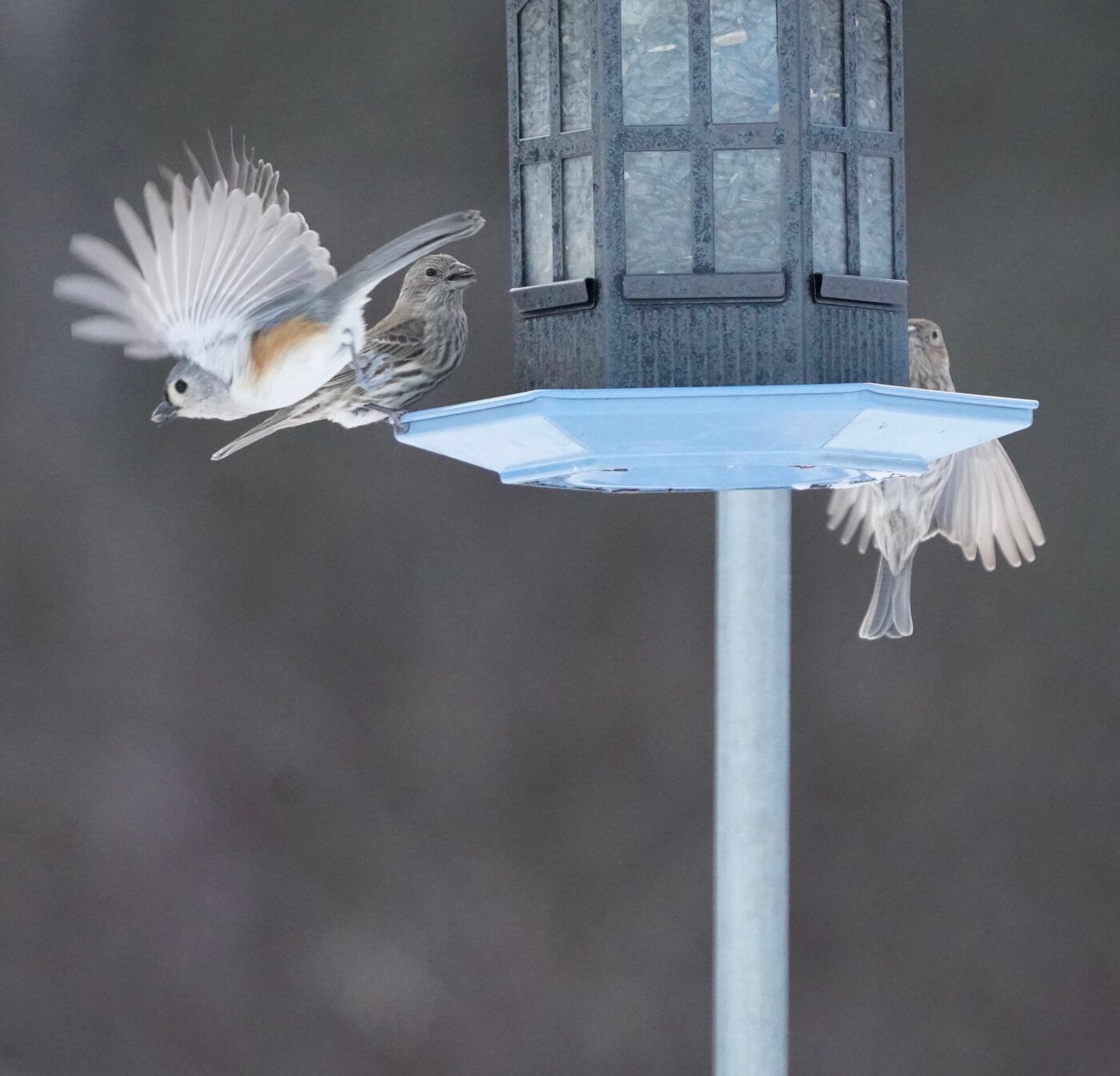
It’s not an either/or situation — both feeders and bird-friendly habitat work together to provide shelter, nesting sites, and nutrition at a time when one-third of U.S. bird species are in trouble from a host of issues, including habitat loss.
“Today, birds are faced with increased threats including habitat degradation and more patchy availability of quality native food sources, so bird feeders are a helpful addition to support birds given the changes and challenges birds face, especially in the winter months and during migration,” Bailey says.
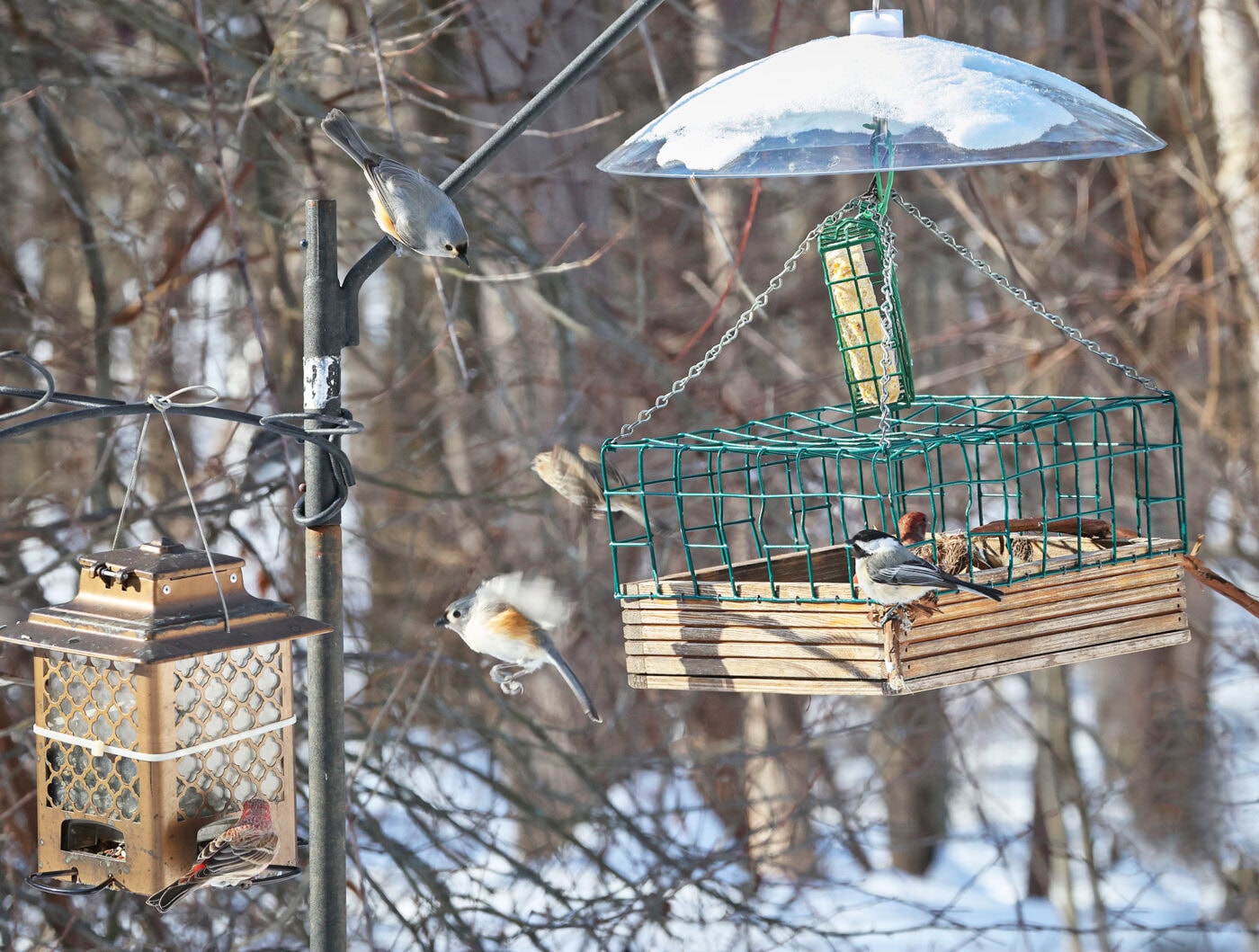
Bailey recommended visiting plant nurseries in the Hudson Valley to purchase native plants for your yard. You can also let your local plant nurseries know you want native plants to help encourage having them more readily available.
Turning a hobby into conservation action
One of the best ways to help birds is to make your observations count. Project FeederWatch, a joint program by the Cornell Lab of Ornithology and Birds Canada, runs from November through April. It transforms everyday backyard birding into critical scientific data.
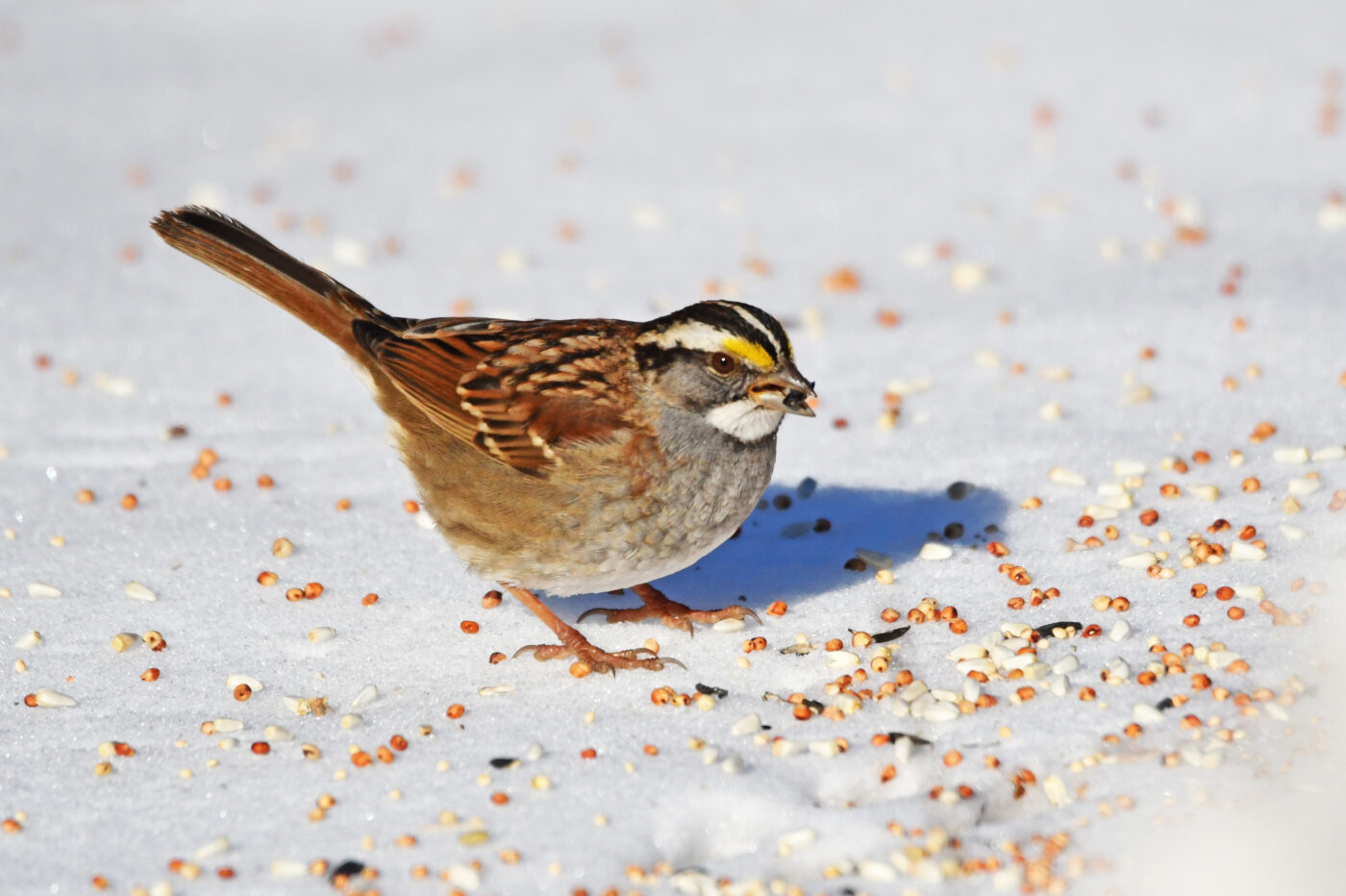
The program gathers a “treasure trove of information” on wintering bird populations, according to MacLean. By simply counting the birds that visit your feeder and submitting the data, you help scientists track long-term trends in bird health and distribution.
It’s designed to be low-pressure and flexible. You don’t need to be an expert ornithologist to participate. “Anyone can sign up, and it’s very flexible in terms of scheduling,” Bailey says. “You could do it for one day, for a week, or throughout this period.”
As MacLean puts it, “Project FeederWatch allows people to take that first initial step, to know that they’re being part of conservation action, not just enjoying birds, but [also] taking action to help protect them.”