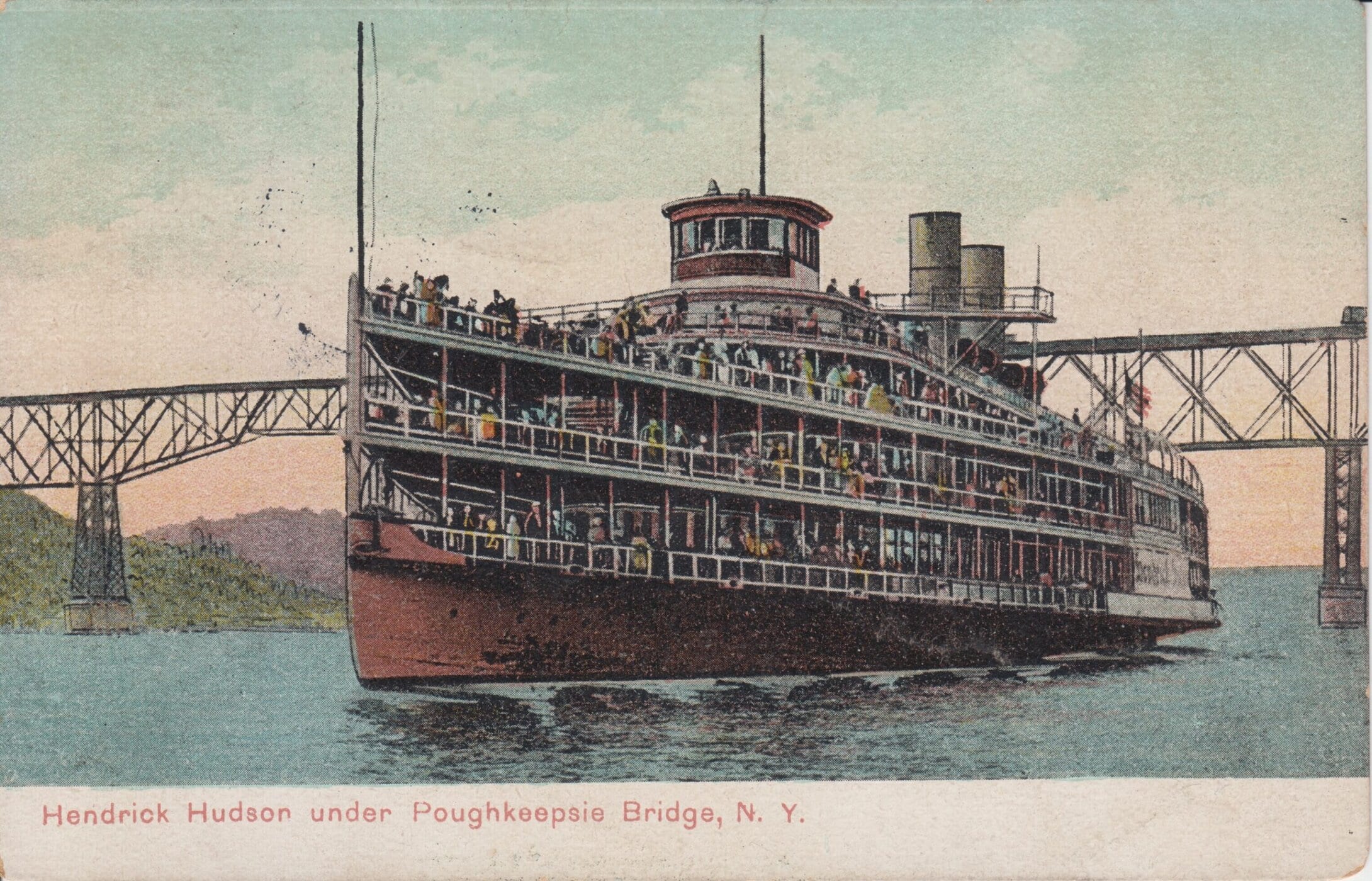


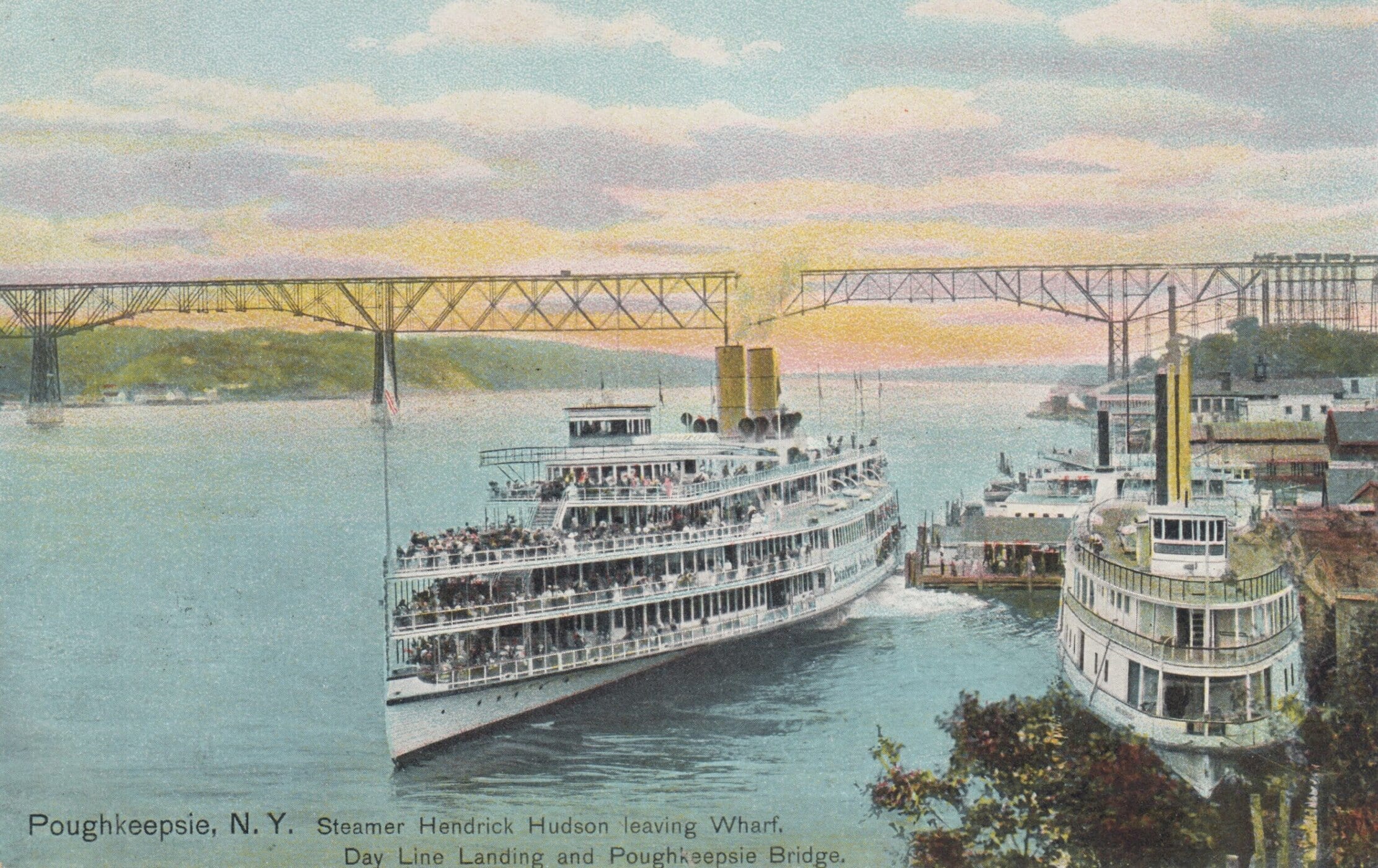
In the 19th century and into the early 20th, shipbuilding was one of the many major industries found up and down the Hudson River. And in 1906, the Hudson River Day Line commissioned a new steamboat unlike any other before — and had it made regionally. Top naval architects, designers, and shipbuilders were secured, and steel skyscrapers helped inspire the design principles. The result was the steamer Hendrick Hudson, carefully designed to offer a safe yet luxurious travel experience.
The new steamboat’s hull was built at the Thomas S. Marvel Shipbuilding Co. in the City of Newburgh, a nod to the river for which she was destined. Marvel was already well known for its quality of steamers, yachts, and tugs, and crowds would often gather along the waterfront to watch new vessels launch.
Though the new steamer was still under construction when she left the Marvel yard in March 1906, thousands came to the waterfront to see her depart.
Dozens of vessels gathered on the river, including the ferryboat Fishkill-on-Hudson and Hendrick Hudson’s sister ship, the New York. At 3 p.m. on March 31, Katherine Olcott, the young granddaughter of Hudson River Day Line founder Commodore Alfred Van Santvoord, christened the Hendrick Hudson with a bottle of spring water from the Catskill Mountains. Marvel workmen knocked the supports loose, and the completed hull glided smoothly into Newburgh Bay.
The crowd cheered at the sight, marveling that such a large vessel could float. Guns went off from West Point, onlookers blew whistles and horns, and a cannon resounded from the New York. Though the hull was a spectacle, it was only a suggestion of what was yet to come. With great fanfare, she was later towed away from Newburgh to Hoboken, N.J., where the superstructure would be completed.
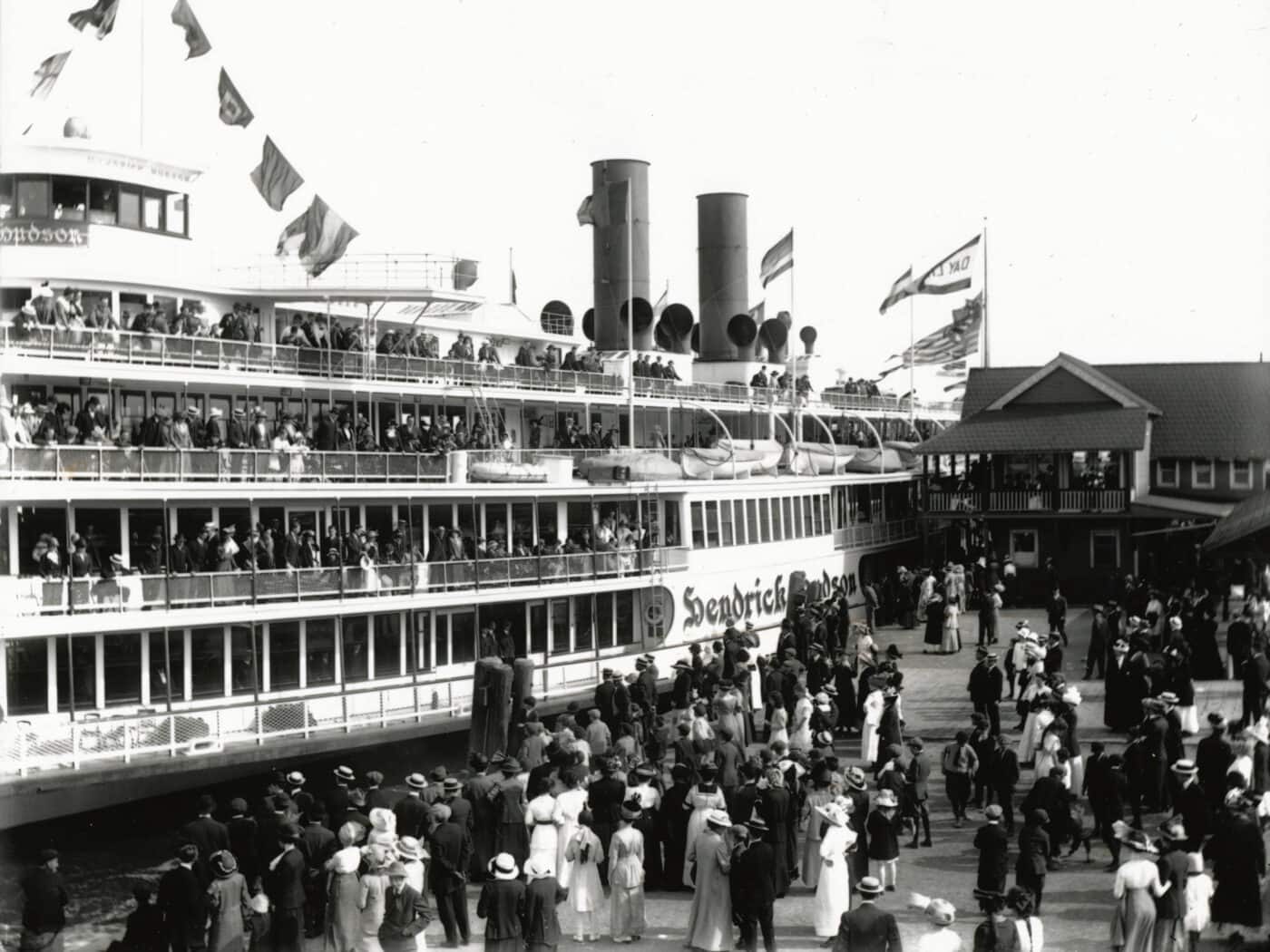
Just a few months later, the Hendrick Hudson was ready for her maiden voyage. The magnificent steamer made her way north on the Hudson River on Aug. 20, 1906, and was greeted with celebration along the major waterfronts. In contrast to the Clermont, which could hold fewer than 100 people, the Hendrick Hudson could accommodate 5,000 passengers.
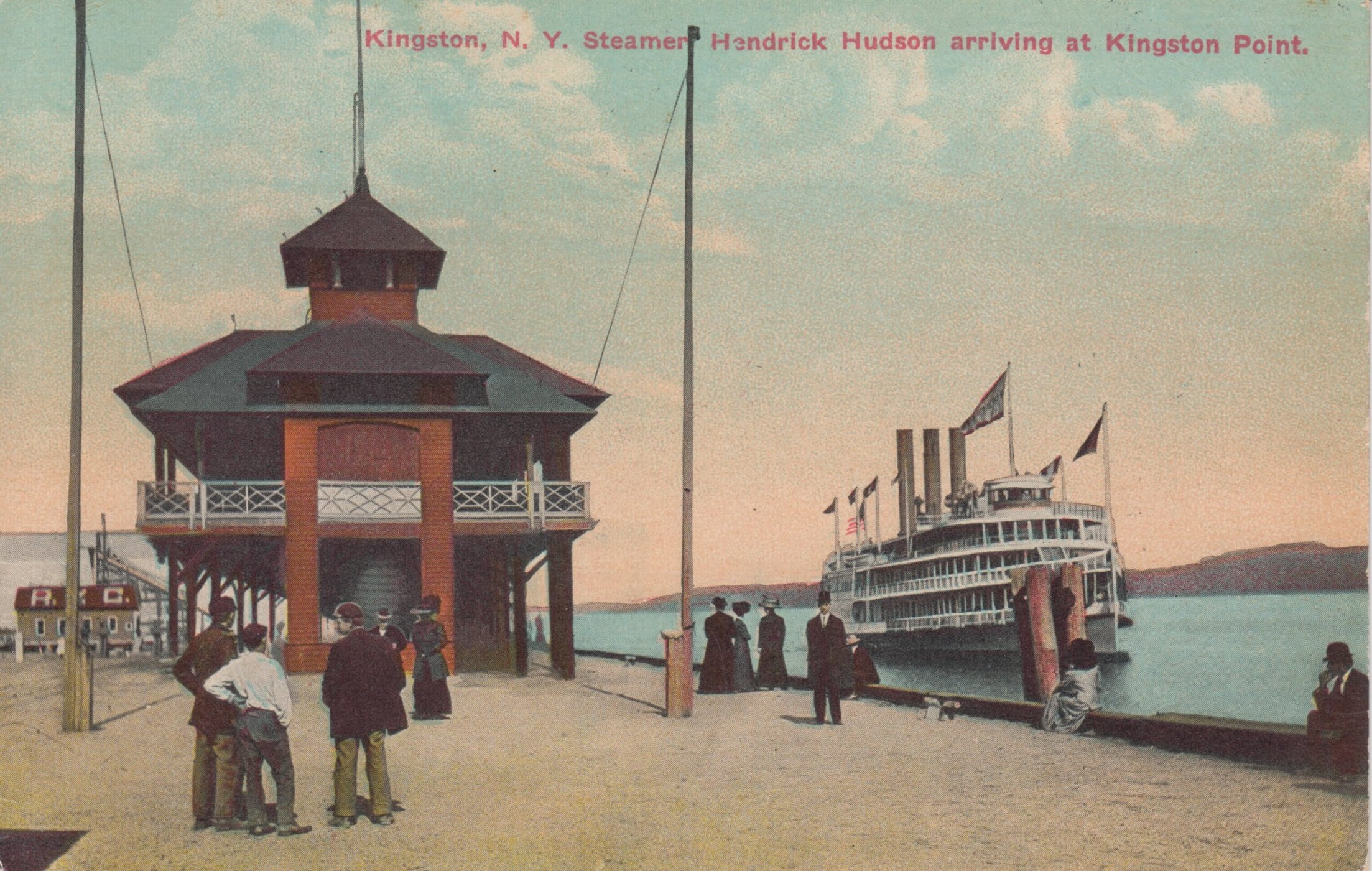
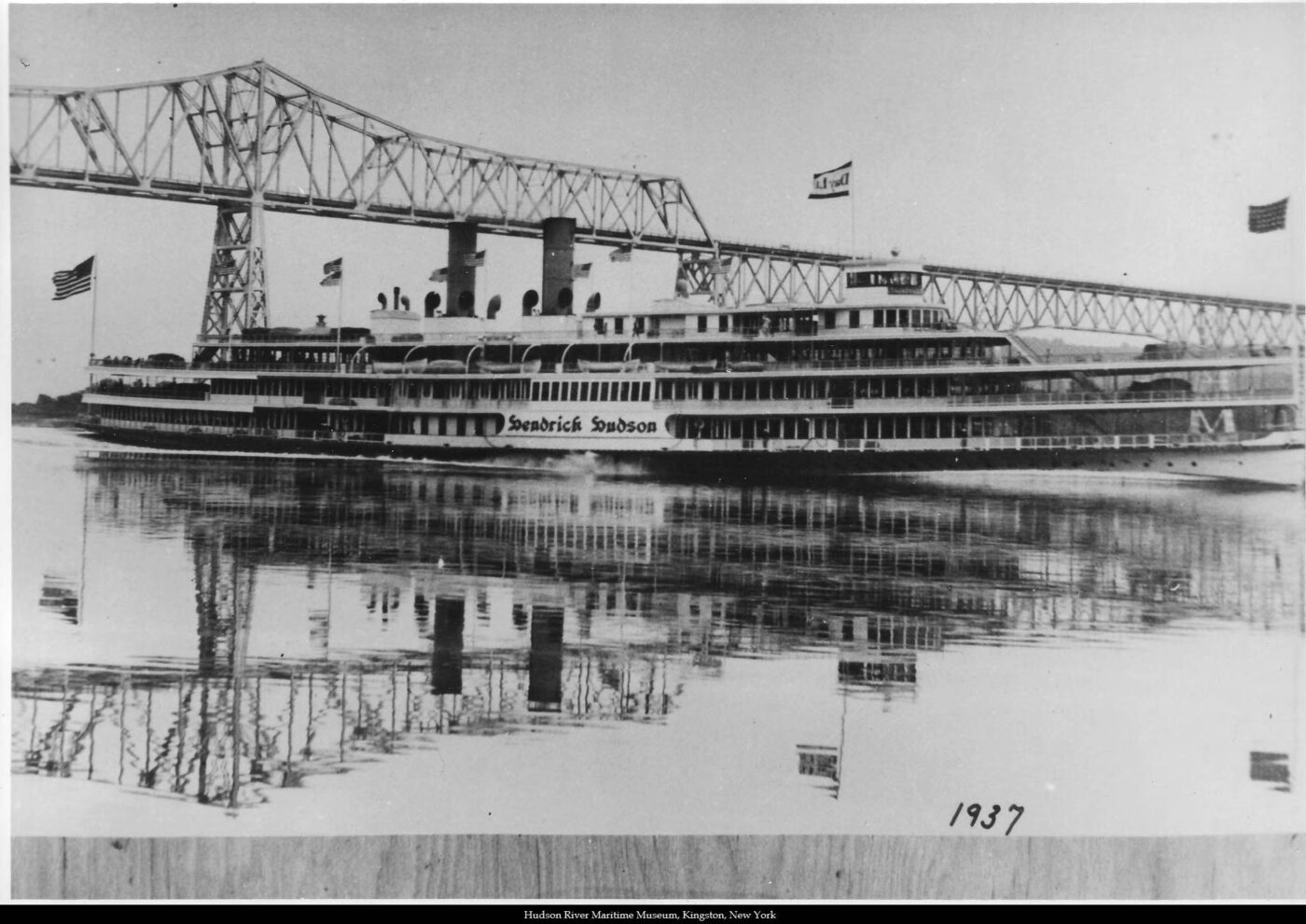
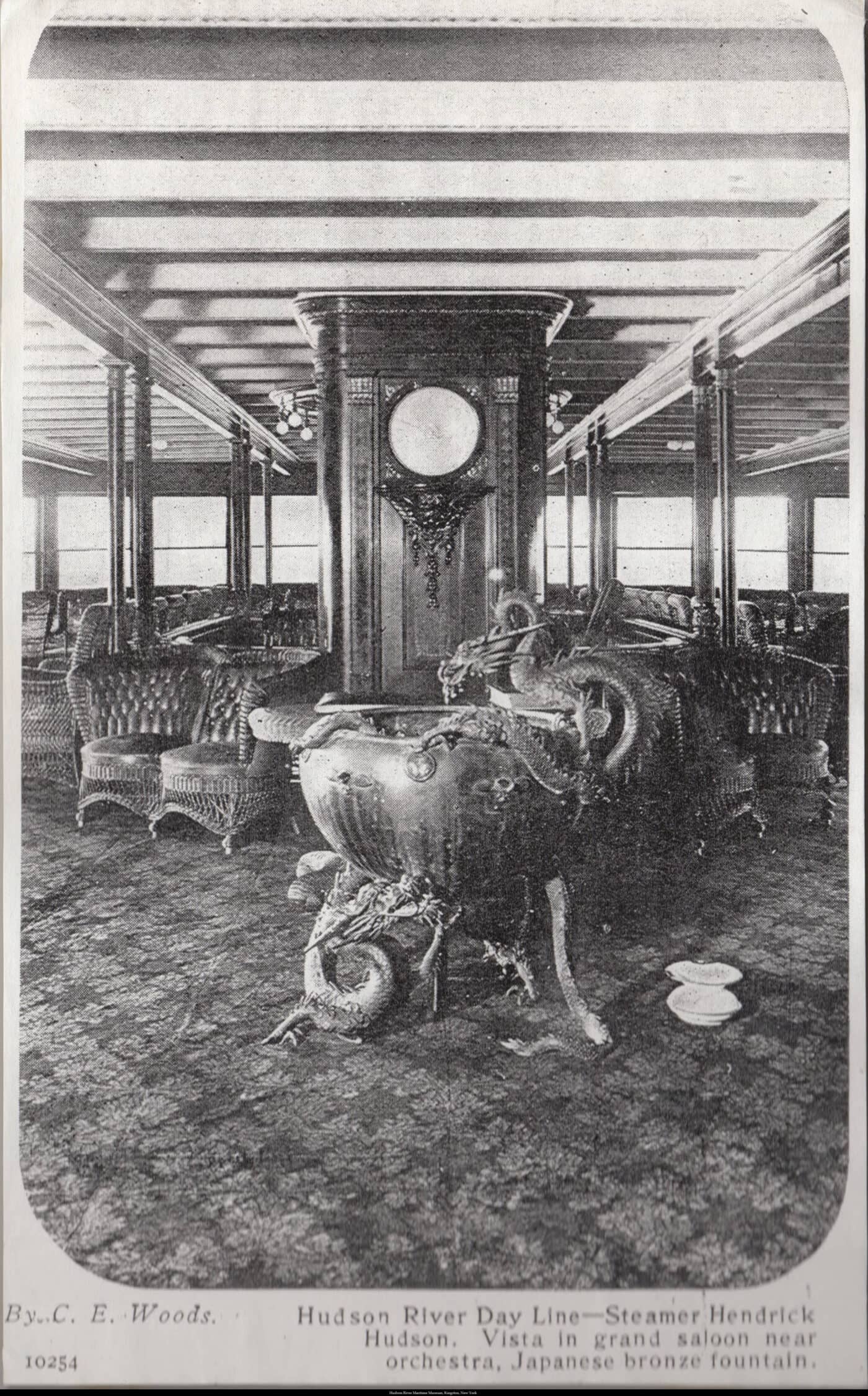
The Hudson River Day Line boasted that the boat’s capacity was “equal to that of the five largest hotels in New York City,” and likened an onboard excursion to visiting a summer resort. Dubbed “a floating palace” by the press, the Hendrick Hudson was nearly 400 feet in length, with six decks, 24 parlors, and large observation rooms fore and aft. She was the largest steamboat in the world, yet built for swift travel, easily achieving speeds of 23 mph. The New York-Albany route that had once taken a day and a half could now be made in a single day.
The ship’s steel framework, seven steel bulkheads, and heavy sheathing made her “practically unsinkable,” according to the Day Line, and every precaution had been taken to prevent fire. The boilers were encased in thick steel plating, and hundreds of feet of fire hose were stored on each level. In addition, the Hendrick Hudson was outfitted with 27 fire alarm signals and a modern telephone system.
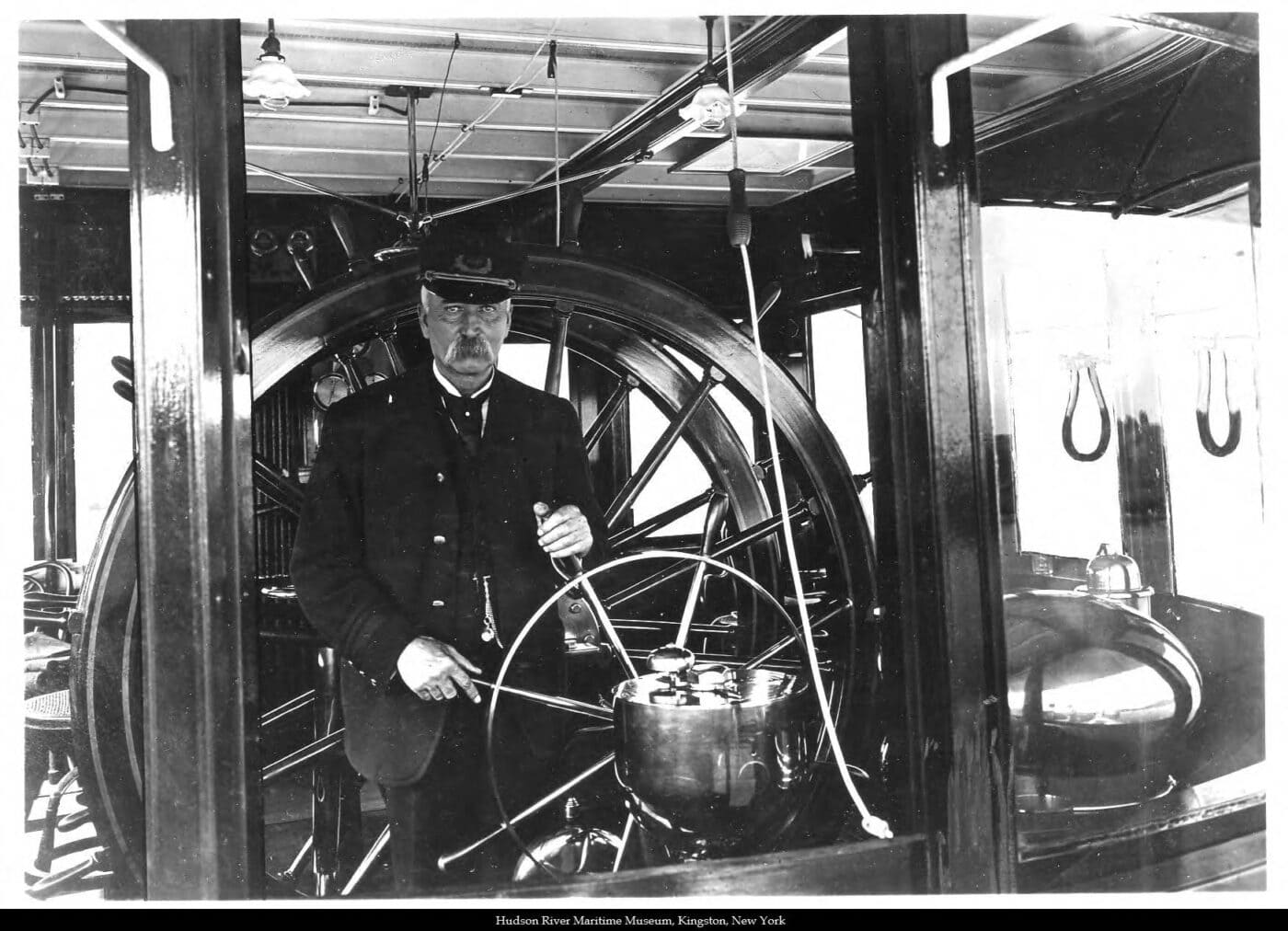
Passengers enjoyed amenities such as a barbershop, a private convention hall, and an onboard emergency hospital. Artwork adorned the walls, with paintings of Hudson Valley landmarks such as Kingston’s Senate House and Washington Irving’s Sunnyside home prominently displayed. The collection included a large portrait of the steamer’s namesake, Henry Hudson. Reporters and photographers were also encouraged to enjoy the steamer, which was outfitted with typewriters and a darkroom.
The Hendrick Hudson marked the beginning of the “palace steamers” on the Hudson River. These lavish steamers provided passengers with a distinctive way to experience both the Hudson Valley and the Capital Region. Travelers could plan excursions around the many amusement parks and attractions situated along the river between NYC and Albany, making the steamer trips not only a means of transportation but also a destination in themselves.
Eventually the ease of automobile travel and the onset of economic hardship contributed to the decline of the steamboat era. Although the Hendrick Hudson lost much of her early popularity over time, she continued to operate on the Hudson River until 1948, making her last voyage on Sept. 12 of that year.
Two months later, the Hudson River Day Line Company ceased operations and sold its remaining assets, including the Hendrick Hudson. On June 4, 1951, missing the excitement and celebration of her earliest days, the Hendrick Hudson was quietly towed down the Hudson River one last time, headed for a shipbreaking yard in Pennsylvania.