

Each winter, folks from across the tri-state area flock to the Hudson Valley, particularly the Catskills, to ski. And although I happen to be an avid downhill skier myself, I can attest that: a.) it’s expensive; and b.) it can be difficult to pick up, especially for older folks.
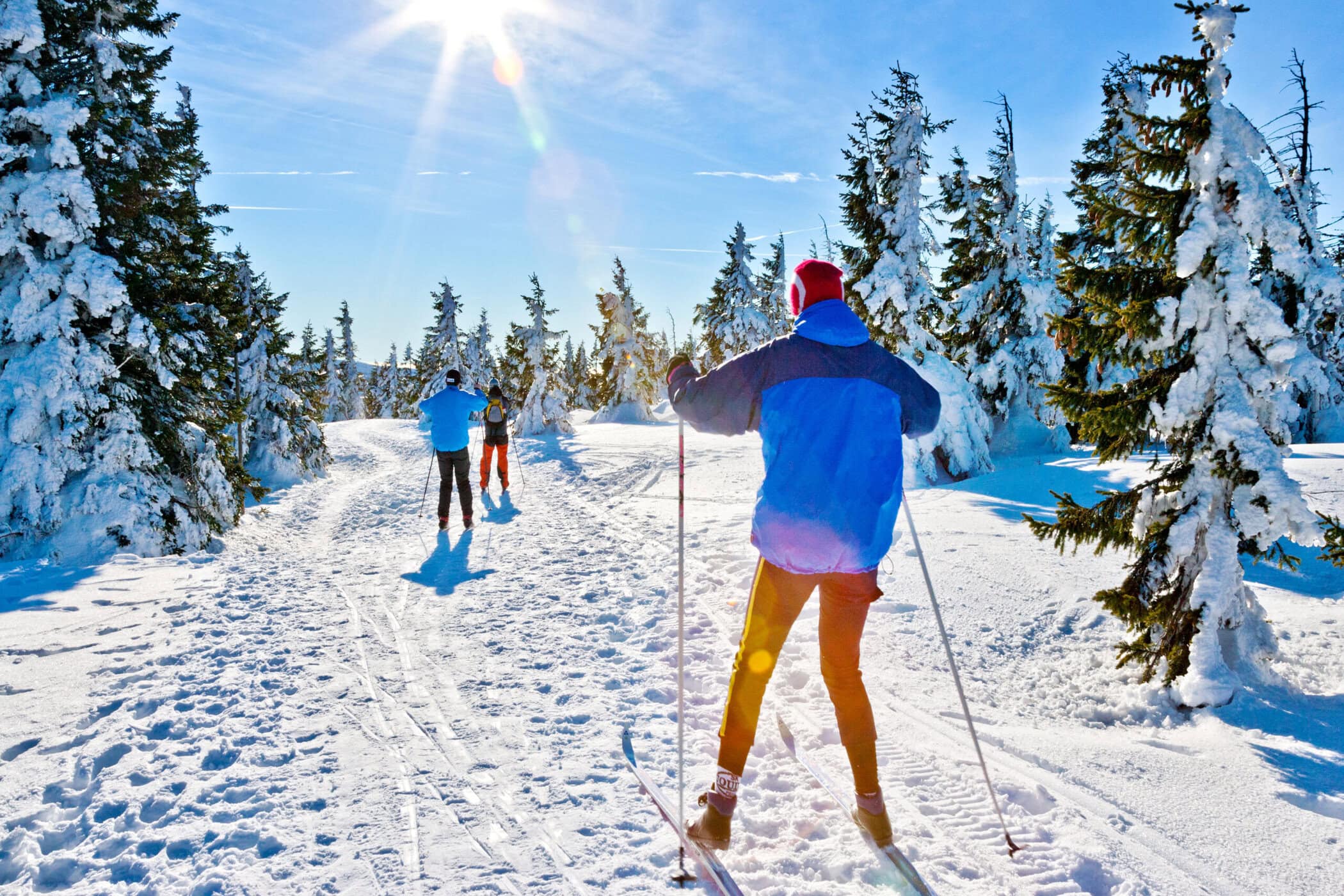
I recently gave cross-country skiing a shot to see what it was all about. In addition to being a more accessible snow sport in the financial department, it can be done on practically any public land, snow permitting. With vast fields, rolling hills and countless trails, the Hudson Valley is an idyllic place to pick up cross-country skiing.
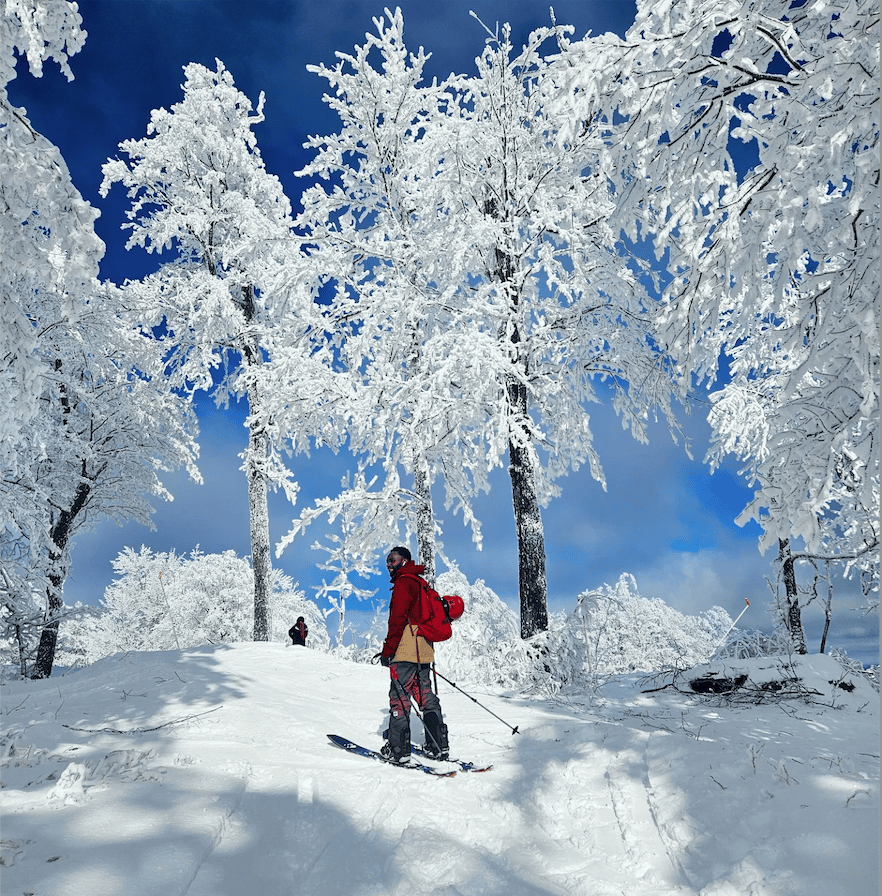
Cross-country skiing has existed for centuries. In fact, according to the International Olympic Committee, it started as a mode of transportation for hunters and gatherers in Nordic countries, before the 19th century. It was eventually recognized as a sport in the 1800s, and was officially added to the Olympics in 1924 for men, and in 1952 for women. It’s now popular for competition and recreation alike.
My intro to cross-country skiing took place at Bearpen Mountain Sports in Prattsville. Its recreational center offers rentals for cross-country skis, boots, and poles (in addition to a variety of other sporting equipment, including ice skates, snowshoes, and more). It also features a skating rink, curling rink, tubing hill, and luckily for me, miles of gorgeously groomed cross-country skiing trails.
Getting cross-country ski rentals is simple, and the boots are extremely comfortable (i.e., they’re nothing like alpine ski boots!). I gave my shoe size and in return, was lent a pair of boots that laced and zipped, as well as the super-light pair of skinny waxless cross-country skis, and a pair of poles. Since it was my first time on cross-country skis, Bearpen Mountain Sports owner, Howard Rennell, gave me a rundown of how to put my skis on, how to move my body, and how to brake.
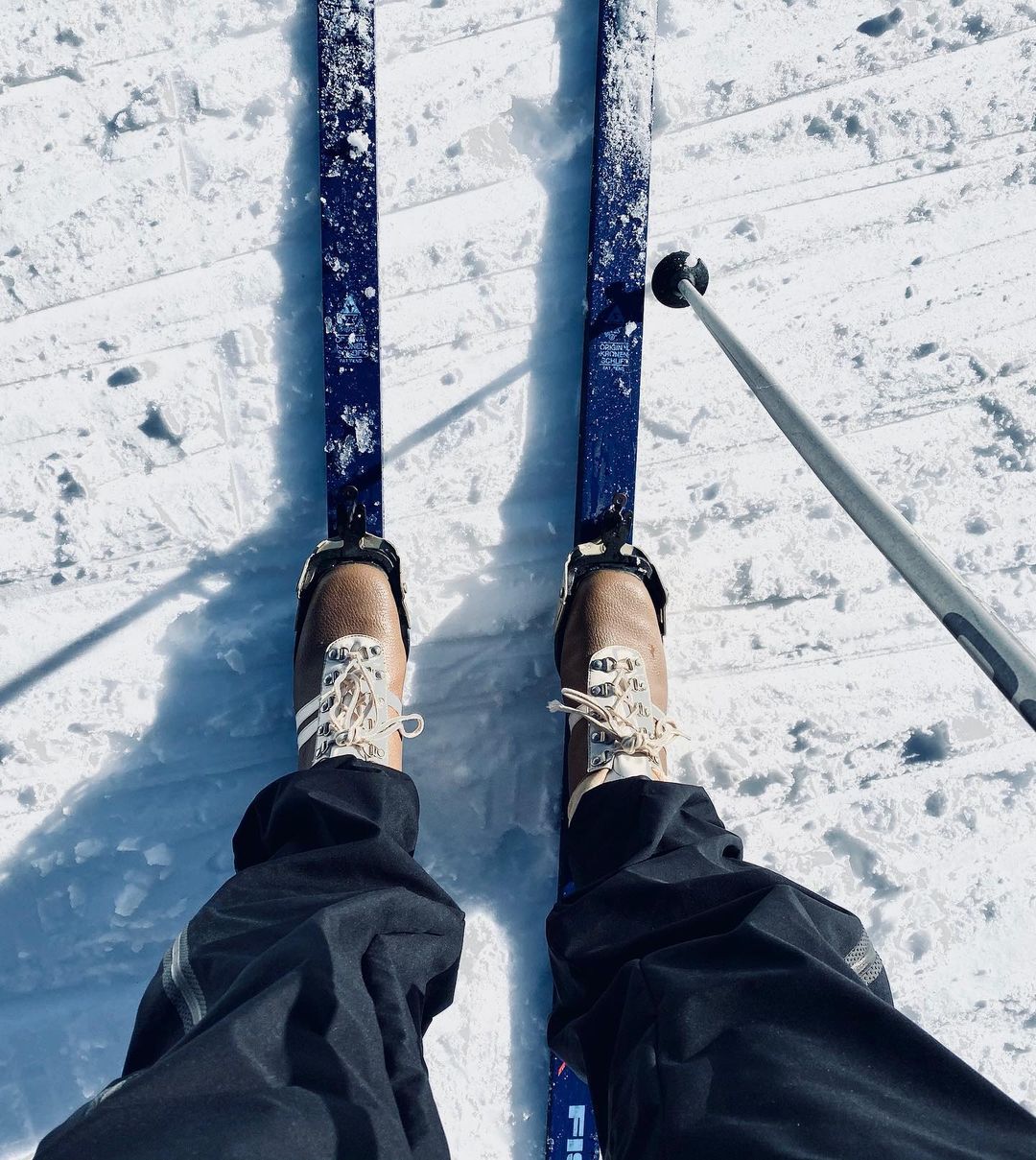
I laced and zipped up my boots in the rental room before grabbing the rest of my gear. For flats and slight inclines, Rennell had told me to shuffle my feet (with alpine touring experience, this was easy for me to get the hang of, though similar experiences aren’t necessary). The combination of cardio and gliding felt oddly satisfying — kind of like running on a moving walkway in an airport, without the stress of making it to your flight on time.
Once the hill steepened, as instructed, I “duck-walked” a little, before making it to what would be my highest point. For any downhill sections, I bent forward and dragged my poles in between my legs, which albeit was a little awkward, but it made the uphill parts worthwhile.
As far as cross-country skiing destinations in the Hudson Valley, especially for first-timers, Rennell emphasizes that finding ample snow and some groomed trails is essential. “Come out on a day we’ve had maybe six inches of snow, and stay on groomed trails,” Rennell says. “And going somewhere that has a track set makes life so much easier, because you can just put your skis in the grooves in the snow.”
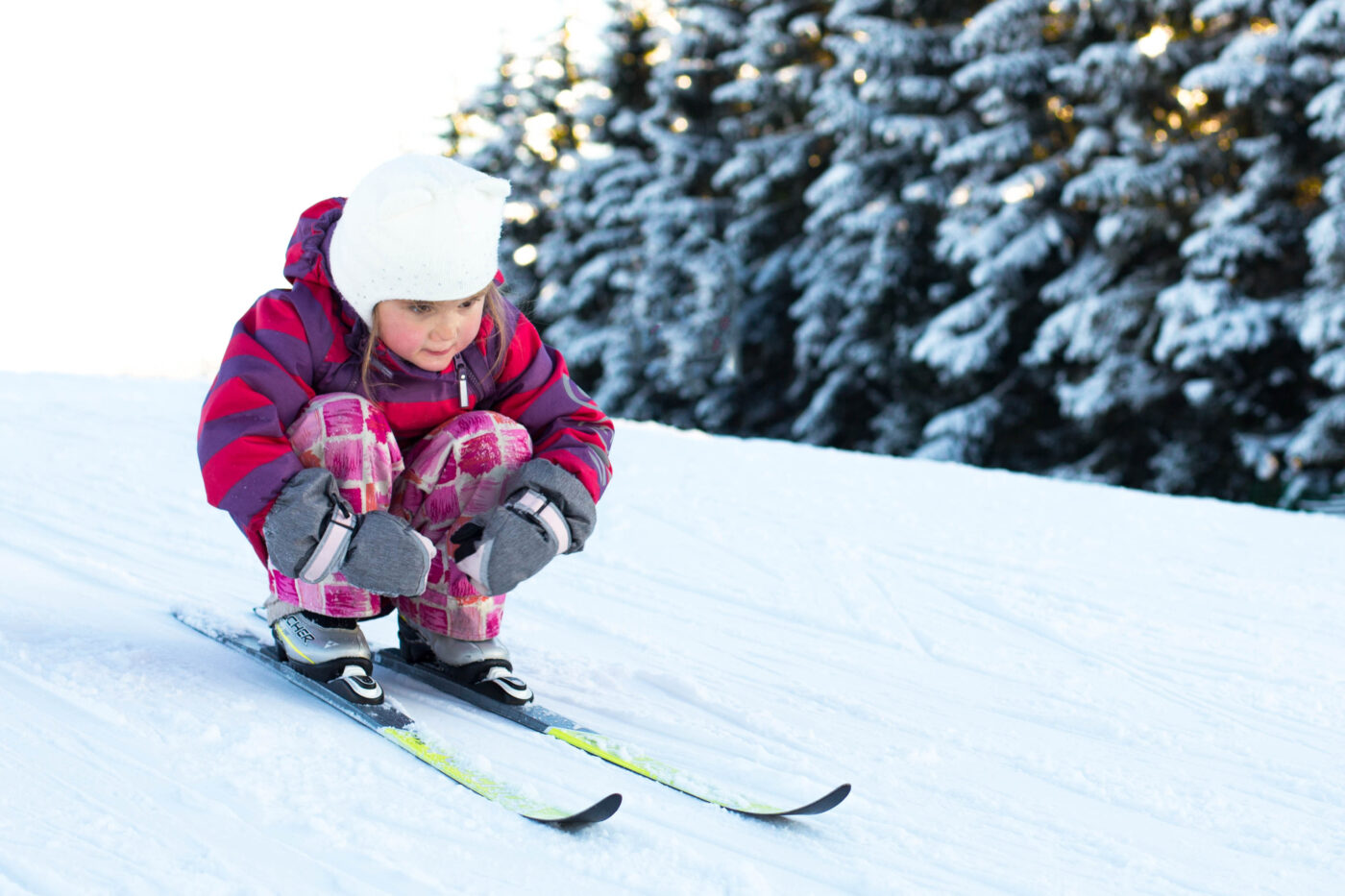
But safety comes first. Declan Hennelly, park manager 1 in the NYS Parks’ Taconic Region, offers safety tips:
- Always ski within your ability level. Beginners should stick to wide trails and flat to very gently rolling terrain.
- Only once you’ve developed the skills to control your speed and stop should you take on more challenging terrain.
- Always keep an eye on the weather, dress appropriately, and check the snow conditions before heading out.
And while protecting yourself, protecting the land is crucial, too. To ensure you’re respecting the land as much as possible:
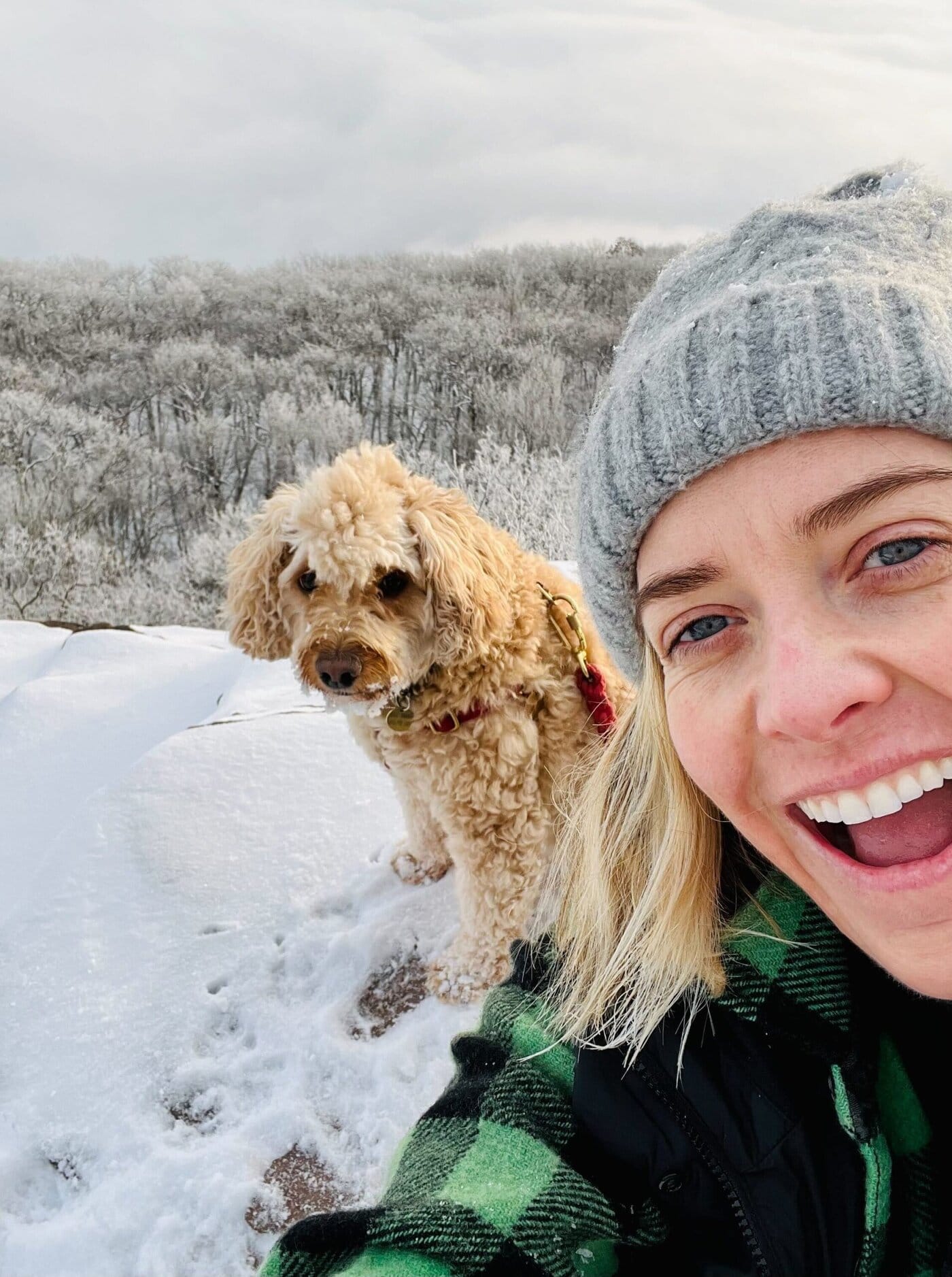
- Check and follow the rules for any public land you are on. Stick to official blazed trails. Make sure to carry out what you carry in, or use garbage cans where they are provided. In New York, parks dogs should always be on a leash.
- Know that walking or hiking, fat-tire bikes, and dogs are not allowed on groomed cross-country trails in the New York State Park System.
- Try not to walk on tracks that skiers create on ungroomed rail trails. Skiers generally all follow the same track. The snow gets polished and packed down, creating a more enjoyable skiing experience for all.
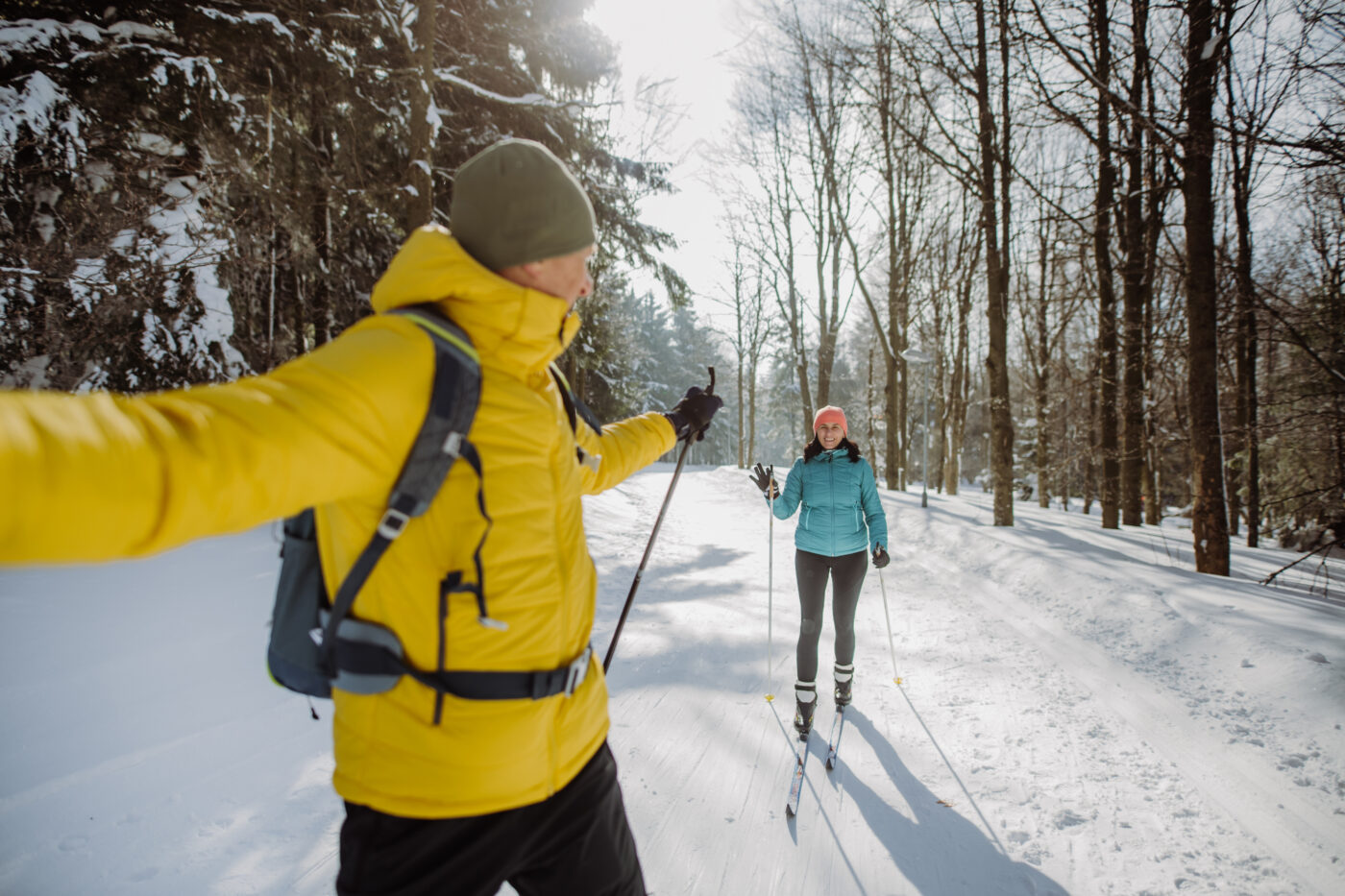
There are so many amazing cross-country skiing destinations across the Hudson Valley. Some, but not all, offer rentals on-site, too, making it a one-stop shop for fun. Some options to explore include:
- Minnewaska State Park, Kerhonkson
- Dinsmore Golf Course, Staatsburg
- Mohonk Preserve, Gardiner
- Mohonk Mountain House, New Paltz (on-site rentals available)
- Fahnestock Winter Park, Carmel (on-site rentals available)
- Poets’ Walk Park, Red Hook
- Black Creek Preserve, Esopus
- River-to-Ridge Trail, New Paltz
- North-South Lake, Haines Falls
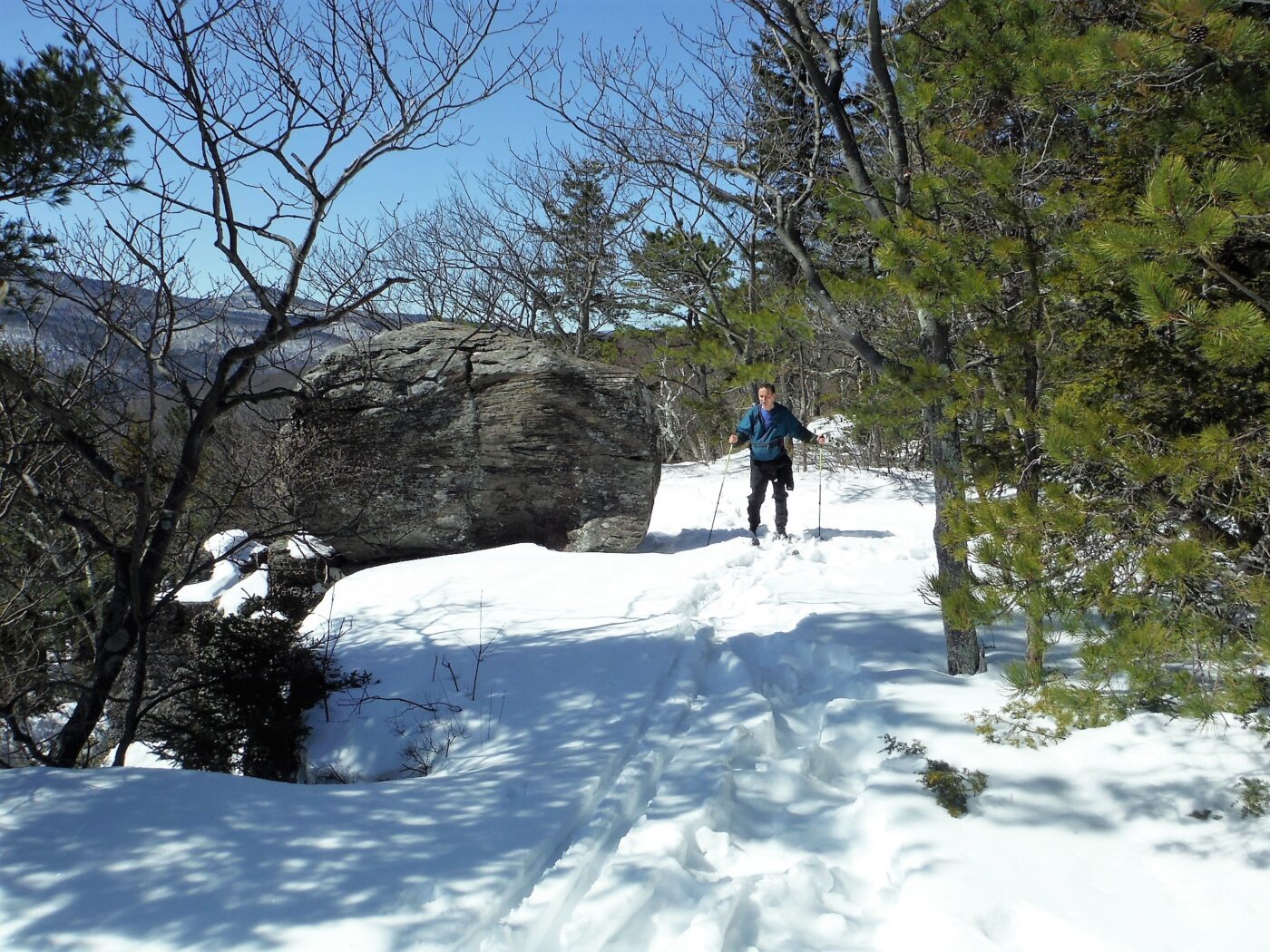
Hennelly also recommends the Hudson Valley’s extensive network of rail trails, as well as ungroomed trails, if you’re able. But if it’s your first time, he says, try a lesson. “I would recommend beginners go to a groomed ski area first and rent equipment and do lessons,” he says. “There are lots of ski areas in the Northeast that provide these services. Doing a lesson or two will provide some of the basic skills necessary to have a fun, safe skiing experience.”
Additionally, if you don’t go somewhere with on-site rentals, a few independent shops across the Hudson Valley do offer cross-country rentals rather than just purchases:
- Rock and Snow, New Paltz
- Potter Brothers Ski and Snowboard Shop, Kingston
- Ski Haus, Highmount
- Bellayre Ski Shop, Bellayre