

It’s easy to be overwhelmed by all the negative news out there about the state of the planet’s climate. But, as we like to say, the best way to ground yourself is to look for signs of progress not only globally but also locally. And at a time when many happenings seem like losses, always acknowledge the wins. In keeping with that philosophy, here are some positive climate and environmental headlines from across the Hudson Valley.
River Otters Return to New York Waters
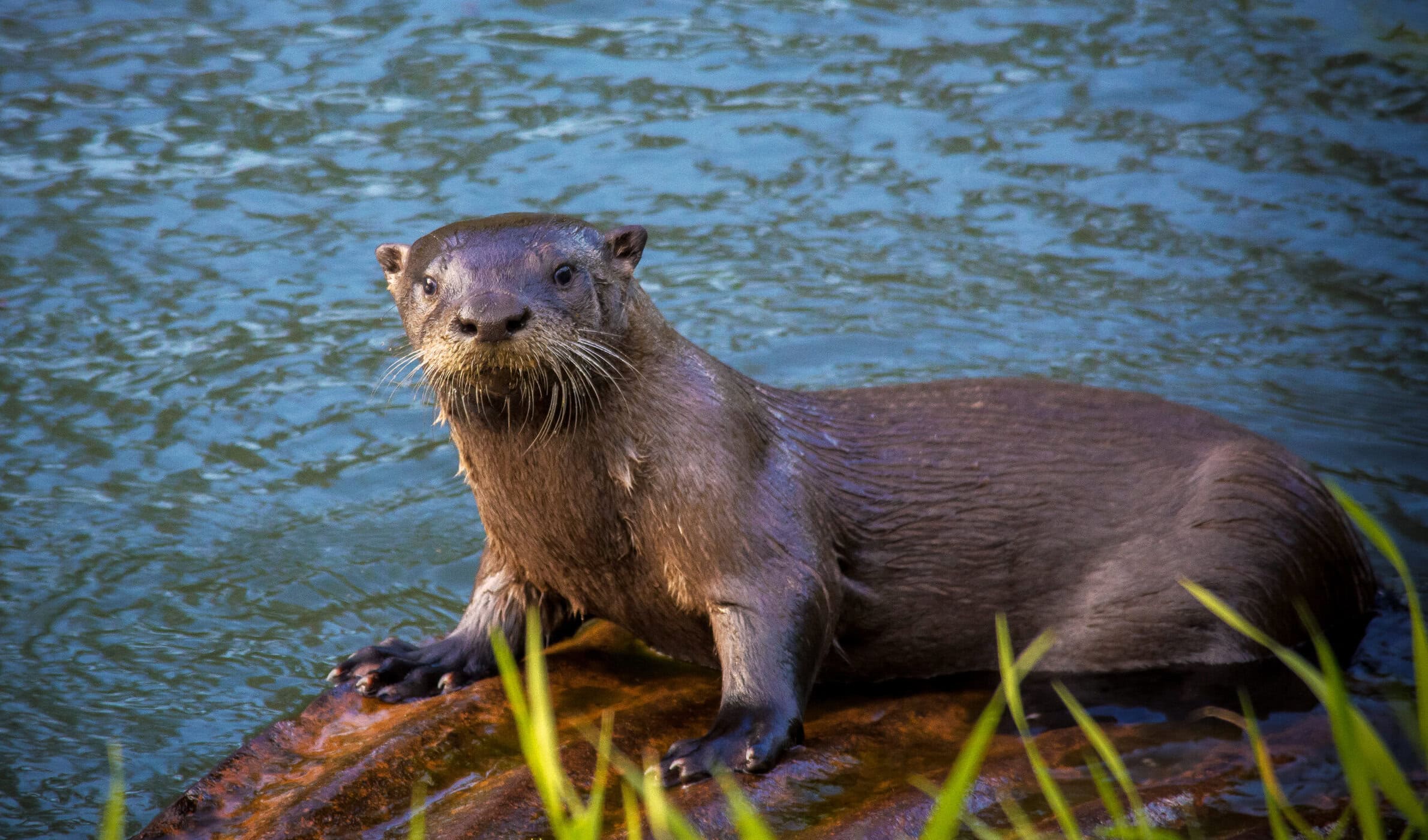
North American river otter populations are on the rebound after a precarious drop during the mid-20th century due to a mix of human-driven causes, including habitat loss, hunting, and pollution.
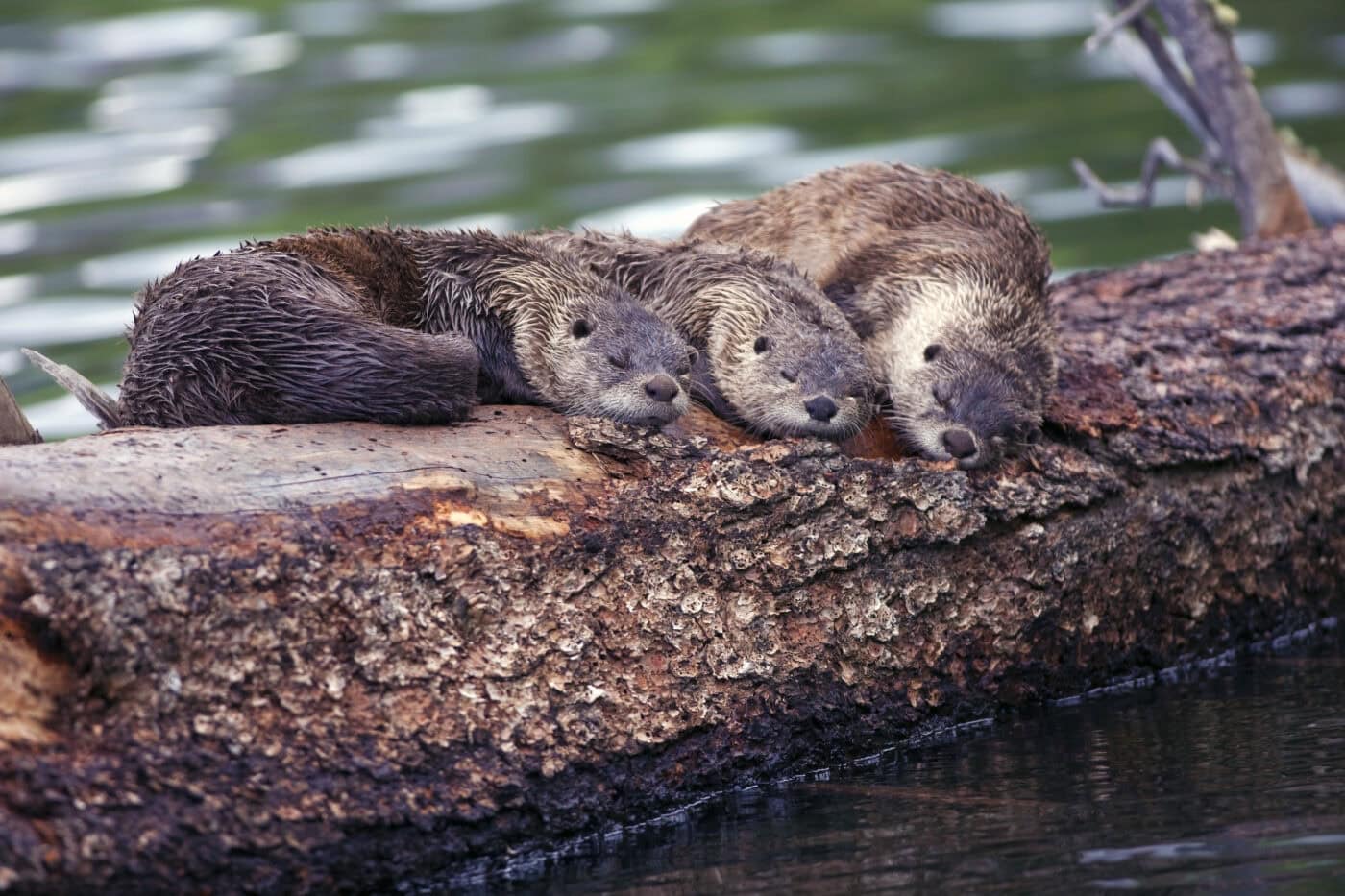
In 1995, the New York State Department of Conservation started a restoration program that moved almost 300 otters from the northern part of the state to more than a dozen sites in Western and Central New York.
The short program ended in 2001, but the results were a success a couple of decades later. While it’s hard to tell how much of a return we’ve seen, about 900 river otters have been counted in the DEC’s average annual harvest.
Sturgeon Stage Their Own Comeback
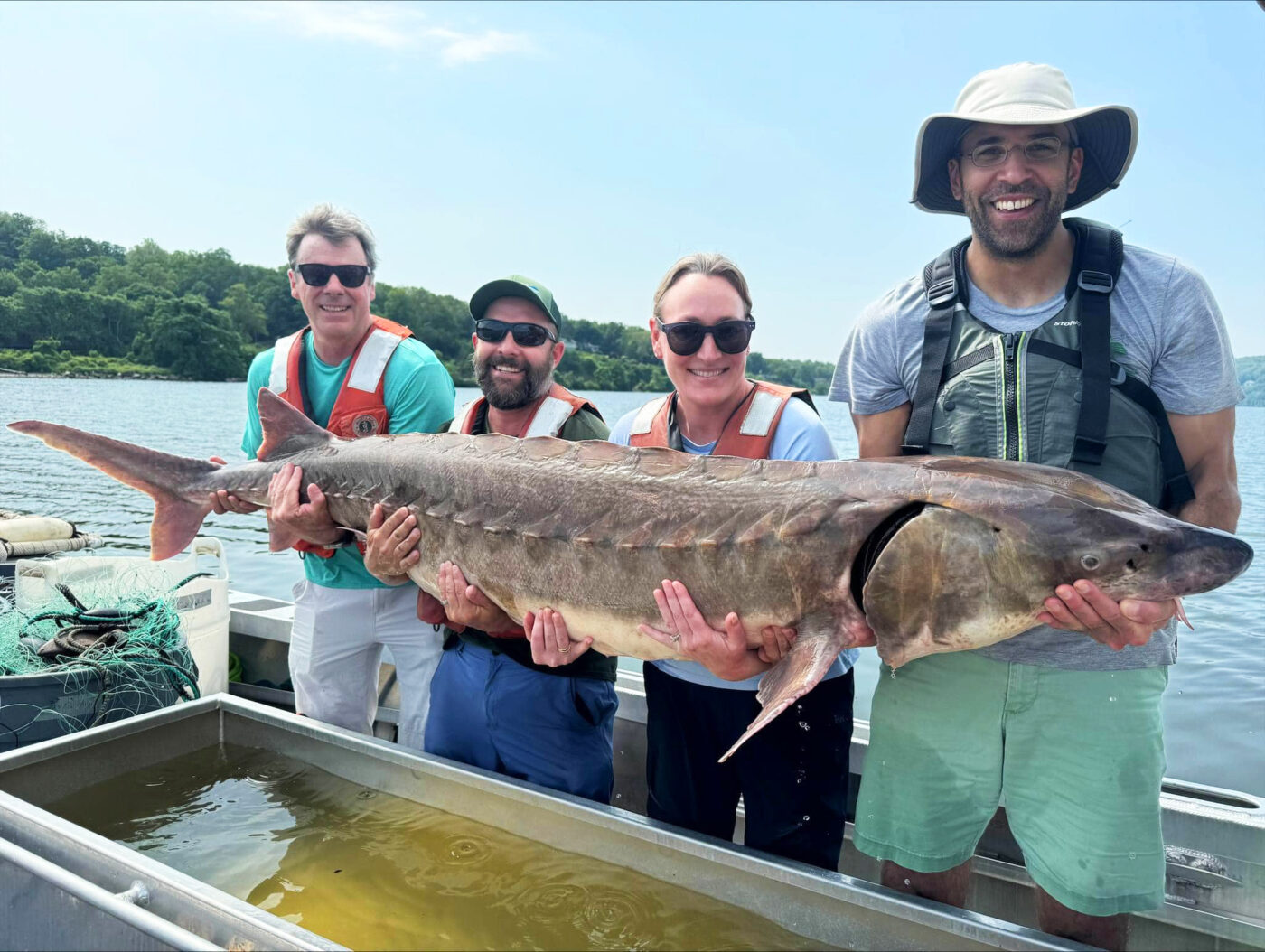
Multiple species of once-overfished and still imperiled sturgeon have been turning up in positive numbers in the Hudson, with 2026 surveys just ahead. Endangered shortnose sturgeon have most recently been estimated at up to 70,000 individual fish in the Hudson, according a 2025 study the New York State Department of Environmental Conservation collaborated on.
And Atlantic sturgeon showed notable signs of a comeback in 2024, when fisheries staff at the Hudson River Estuary caught a remarkable specimen right off of Hyde Park as part of its sturgeon survey: a 6-foot long, 220-pound female. The fish was caught with nets, measured, scanned, tagged, and released back into the water. Both males and female Atlantic sturgeon flock to the Hudson River during the spring and summer months for spawning season. The female catch was a rare one for researchers.
Sturgeon were once plentiful, with Indigenous groups up and down the East Coast harvesting them for food for thousands of years. Their numbers started to dwindle throughout the 19th and 20th century because of overfishing and habitat loss, further exacerbated by the booming caviar trade in that time period. In 1887, almost 7 million pounds of sturgeon were caught. In 1989, a mere 400 pounds of sturgeon were caught. In 2012, all five population segments of the Atlantic sturgeon were listed as threatened or endangered under the U.S. Endangered Species Act. Sturgeon that hatch out in rivers that aren’t the Gulf of Maine, like the Hudson, are considered endangered.
Survey data from researchers point to a hopeful trend; in 2014, just 450 individual fish were documented. While large, the 220-pound female sturgeon caught in 2024 represents a fraction of what these fish can get up to. These slow-growing behemoths have been documented to grow to up to 14 feet in length and weigh up to 800 pounds, with a lifespan of 60 years.
City of Cohoes’ Floating Solar Array Will Shine Bright
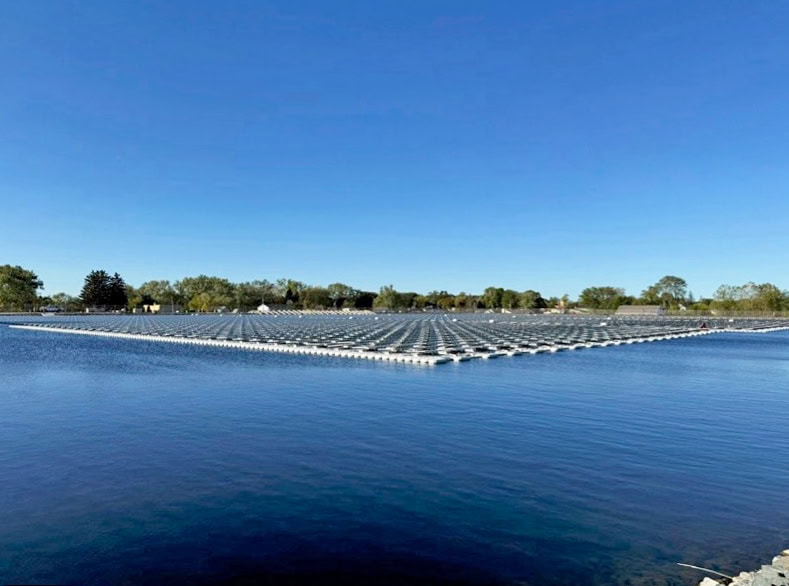
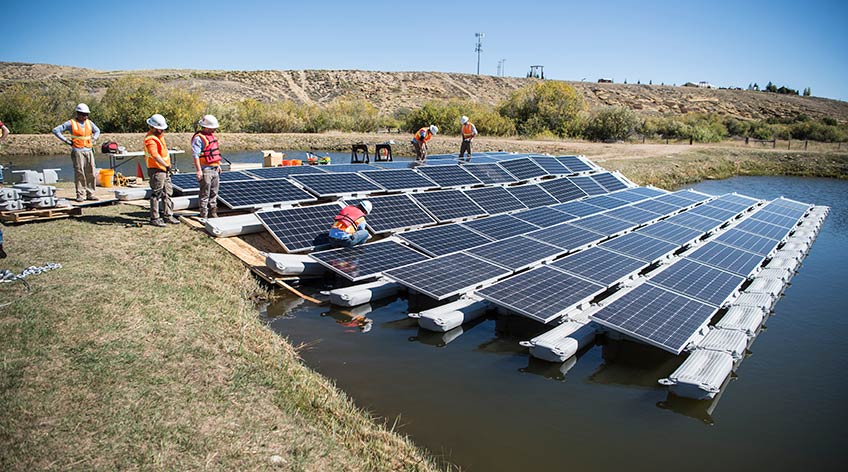
After breaking ground in 2024, the City of Cohoes’ ambitious floating solar array project on the city’s reservoir is finished with construction and will be supplying power to the grid sometime this year. Thousands of solar panels now blanket the 10-acre body of water, right near the city’s filtration center, buoyed by plastic floats in what will soon be one of many floatovoltaics projects operating around the world.
Besides serving as another valuable location for the expansion of renewable energy, floating solar panel arrays also have the added benefit of shading the waters they rest on, cutting down on evaporation, and therefore helping to combat drought.
More importantly, this 3.2-megawatt project will be the first of its kind in New York State, and the power generated by it should be enough to power a few thousand homes at a time. Cohoes Mayor Bill Keeler anticipates the project will save property taxpayers about $500,000 in power costs each year.
“Once the project is fully operational, those costs will be eliminated altogether. Essentially, the 5,880 floating solar panels owned by the city will generate enough power to run our city-owned buildings,” Keeler says. “We’re grateful Congressman Paul Tonko helped secure $3 million in federal funds to initiate the $8 million project, leaving the city $400,000 along with additional federal and state grants. Plus, an extra $750,000 from National Grid.”