

Buy fast, buy cheap — the last several years has seen the continued rise of services offering a glut of cheap one-off goods. It’s staggering, and includes everything from online fast fashion giants whose products end up polluting the environment to more comprehensive services that promise all kinds of shoddily-made household goods and gadgets on the low (sometimes with tragicomic results).
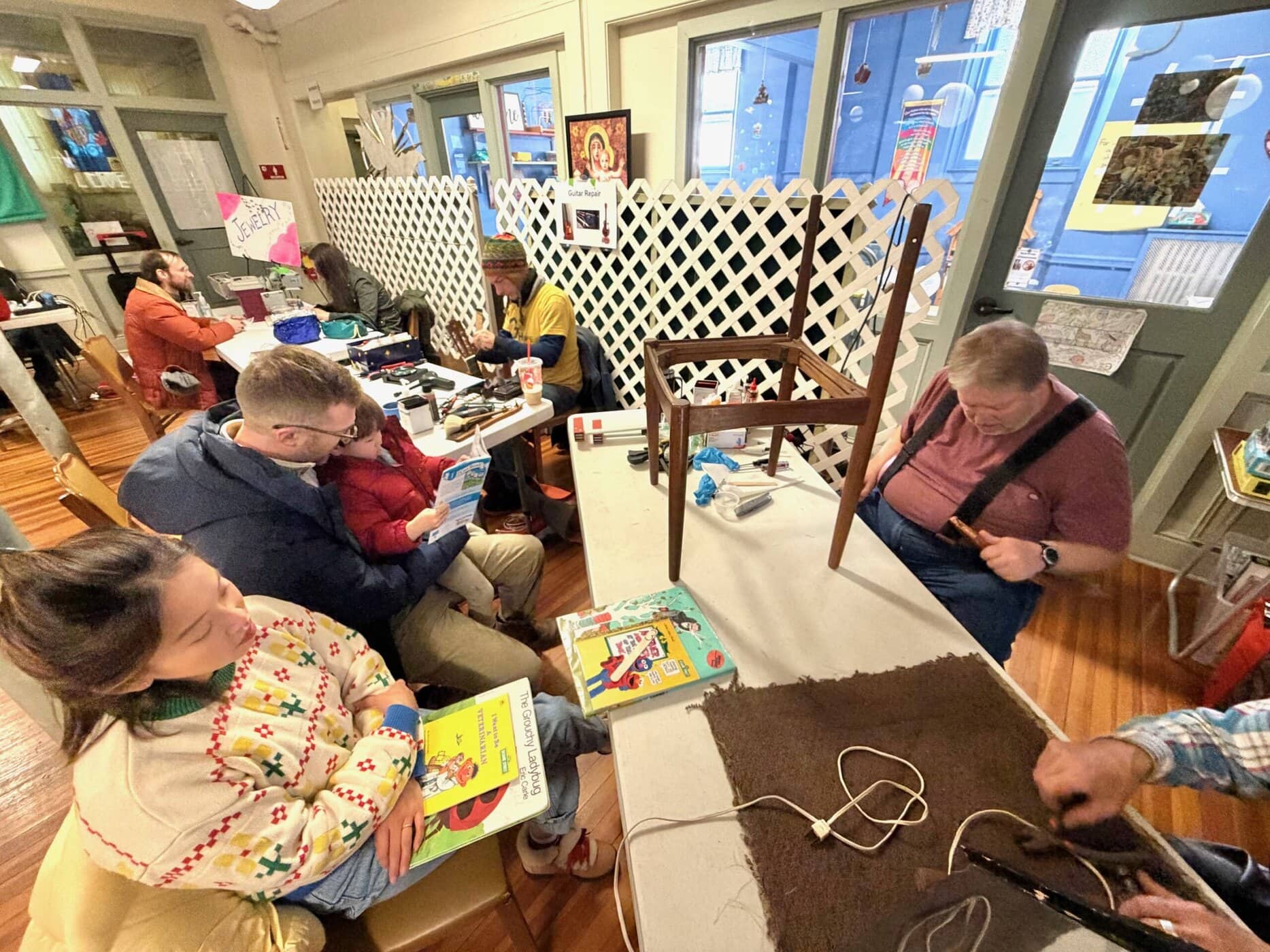
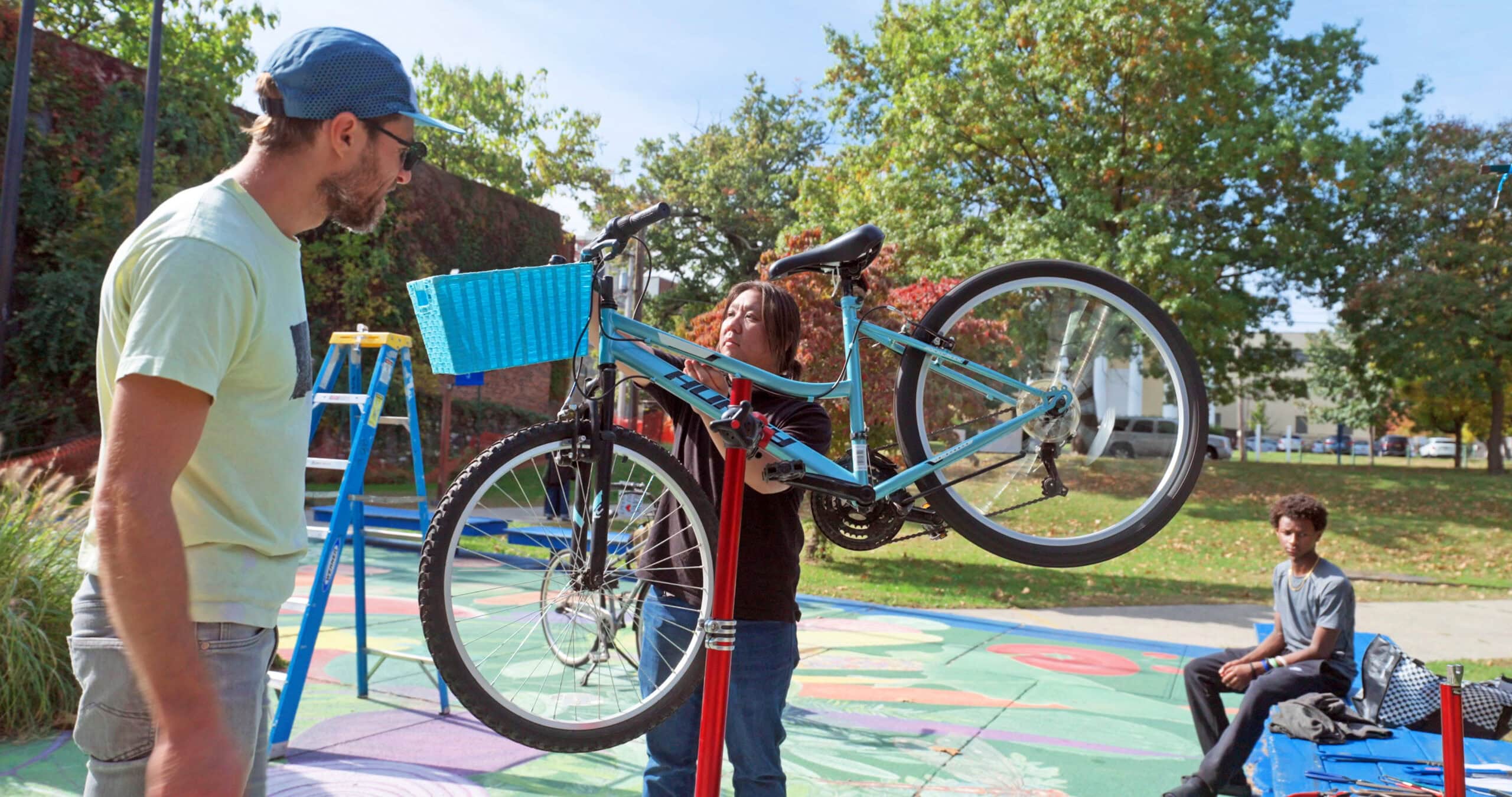
Luckily, there’s been real pushback against this consumeristic wave: repair cafes. These community-led spaces encourage locals with specialized skills — like sewing or electronic repair — to help others in need of their services, building connections in the process. In 2019, there were about 1,700 repair cafes around the world. By 2025, that exploded to 3,500.
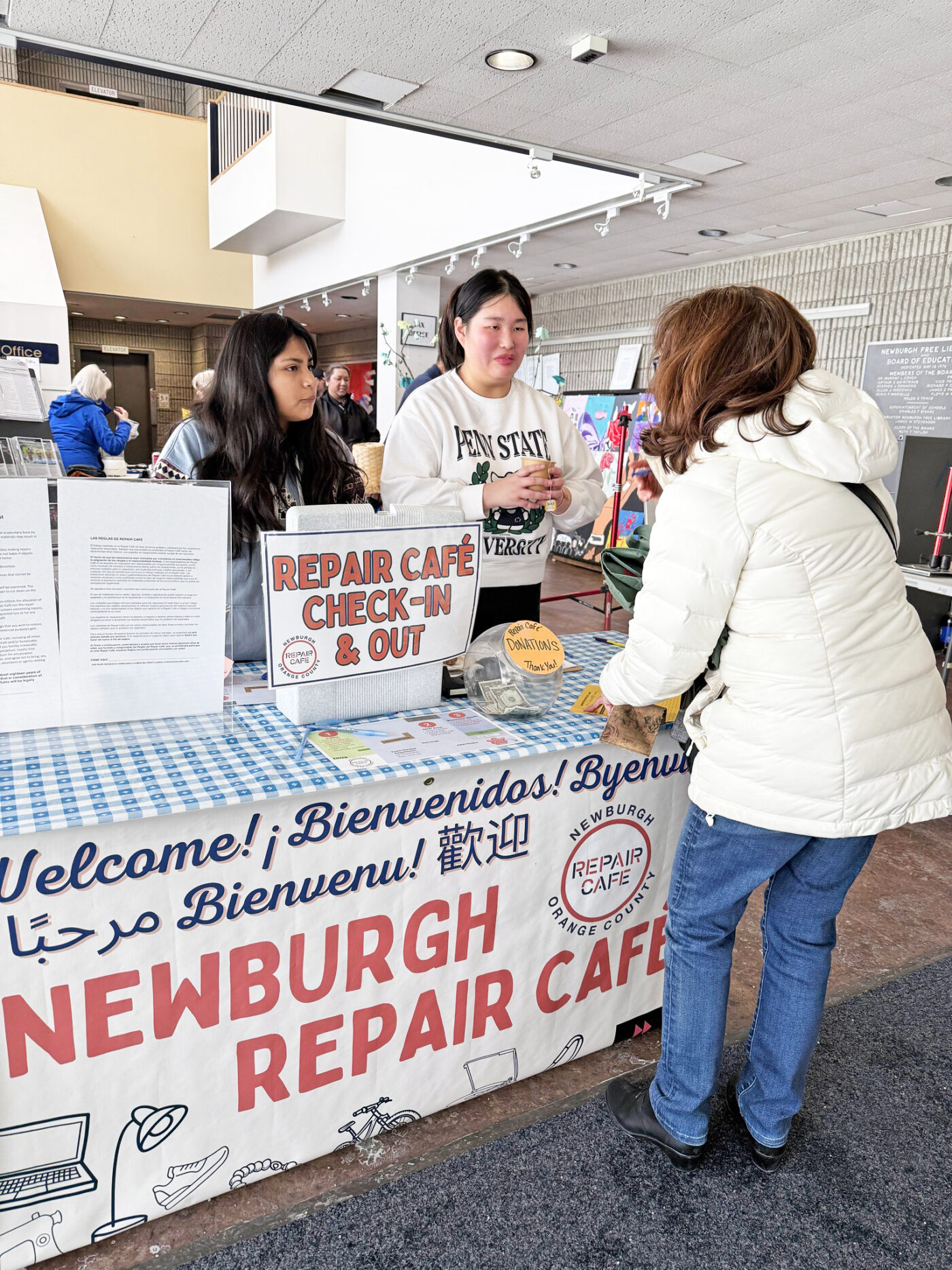
In the Hudson Valley, the region’s repair cafes are as strong as ever after adapting to the shock of the pandemic. In 2024, the region’s 71 repair cafes held over 150 meetings and made hundreds of repairs with around 7,500 items — about 180 tons of carbon — saved from landfills, according to Suzie Fromer, coordinator for Repair Cafe Hudson Valley, a Sustainable Hudson Valley program.
Fromer’s first foray into the repair cafe world came years ago when she decided to lend her jewelry-making and repair skills to a repair cafe in Westchester. Now as an organizer, Fromer helps manage the dozens of repair cafes in the area meeting as semi-regular pop-ups.
“ It’s a hugely volunteer-led movement. Almost everyone other than myself is a volunteer involved here. We do have a few organizers who also work as [librarians]. We do have a few people who are doing it as part of their jobs, but mostly it’s volunteer-led [and] grassroots,” she explains. “We like to say, ‘Bring your beloved but broken items to be fixed by a volunteer repair coach who is also your neighbor.’”
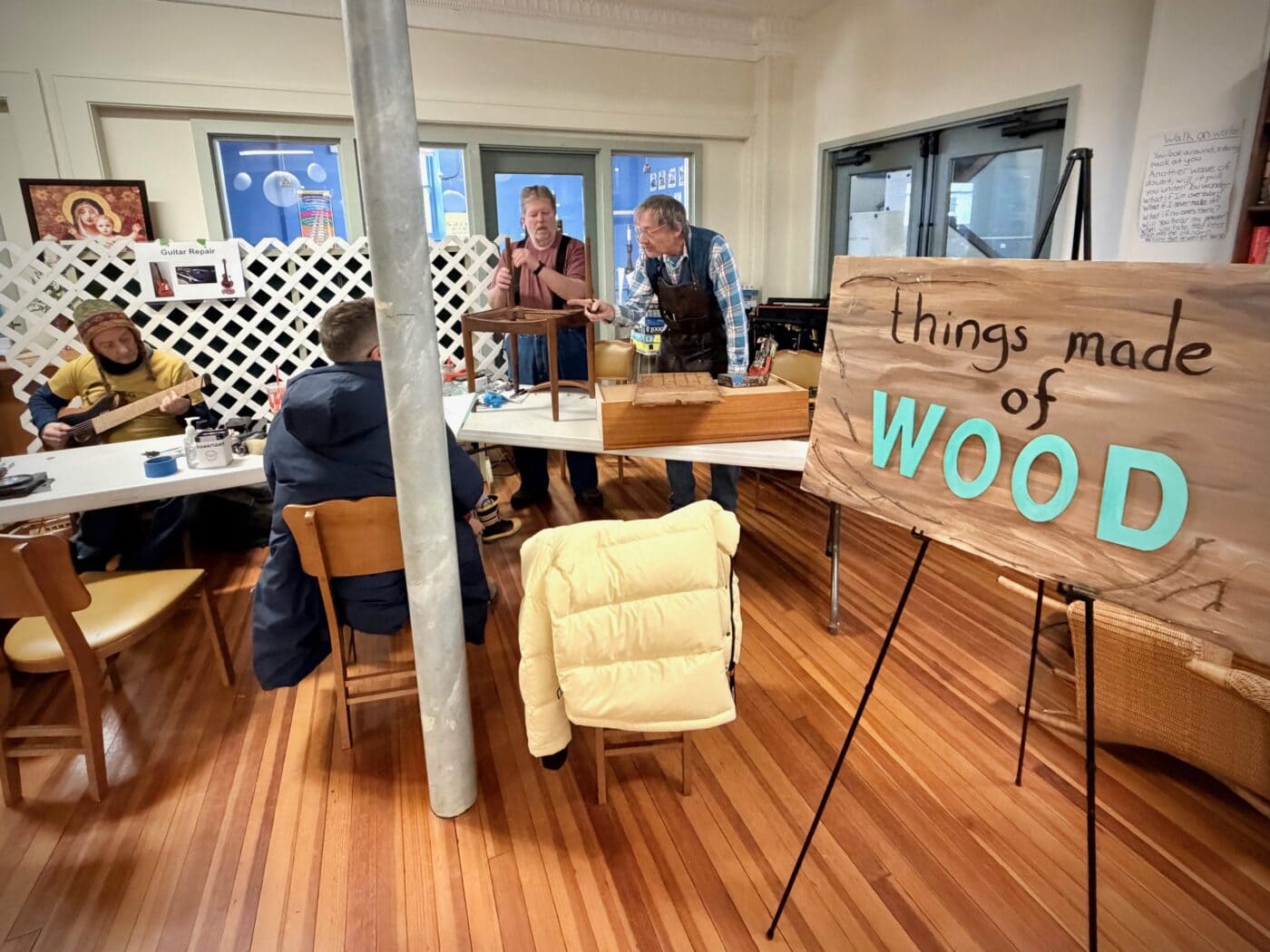
The knowledge and expertise community members bring to a repair cafe can be varied. You’ll regularly see skills like fixing family heirlooms, appliances, or sewing and clothing repair — but some can get pretty high-tech, with tools like 3D printers available at the Poughkeepsie Repair Cafe, Fromer notes.
“Honestly, the lifeblood of the cafe fixes is probably lamps and electrical small appliances,” she says. Besides the practical fixes, many items people bring in come with lots of sentimental value.
“ We did have a lady that came with two lamps that her son had brought back from Japan while he was in the service, so that was cool. And then we had another lady who had a lamp that had been passed [down] through her family [for] generations,” says Lisa Hintze, chairperson of Woodbury’s Climate Smart Community Task Force and organizer of the Woodbury Repair Cafe.
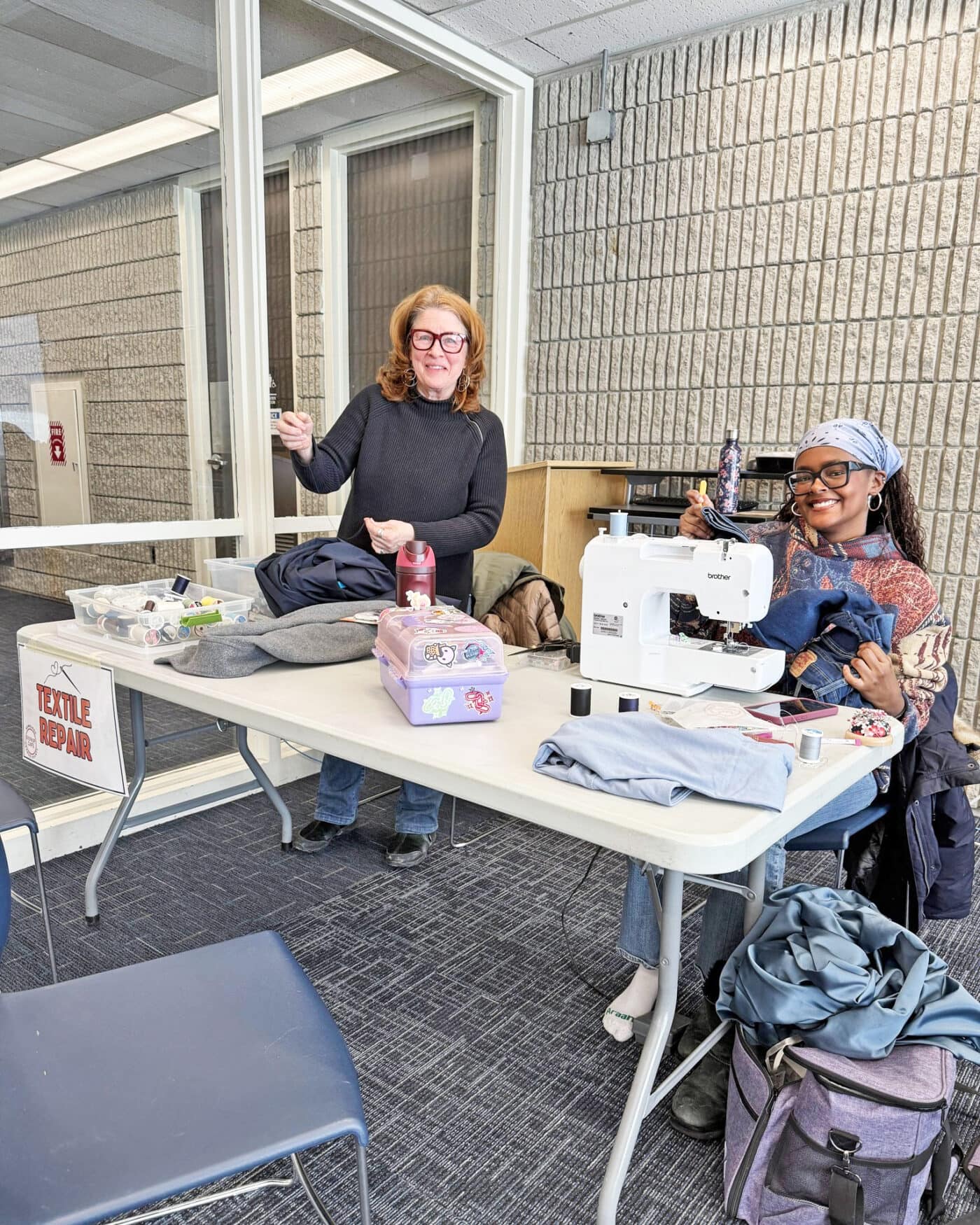
If you decide to take an item of yours to your nearest repair cafe, don’t expect some kind of one-stop shop where you just drop it off and leave. Repair cafes are community-building spaces as much as they are public services. Refreshments are common. Both Fromer and Hintze stress the importance of sitting down with the person fixing your item and listening to them pass on their valuable knowledge to you. A second visit might be required for more complicated repairs or during busier events.
“ If something needs parts, as the fixer, I’m gonna tell you where to go to get these parts and then bring this back, and then we’ll work on it,” Hintze explains. “It makes you more of an advanced consumer, too.”
The right-to-repair movement has also informed both her jewelry design and the larger repair cafe trend, Fromer says. “People are now consulting people in the repair cafe movement to see what could be done better — how could we design things for repairability and longevity.”
To find a repair cafe near you, check out the map and calendar on the Repair Cafe Hudson Valley website.
Dalvin Aboagye is a writer based in the Hudson Valley and the Catskills. When he’s not enjoying the warmth and sunlight of summer, you can find him scrambling to survive yet another cold Catskills winter. He’s written for the Times Union, theRiver, Thrillist, and more.