


Dan Smith first noticed the white spring blossoms of Dutchman’s breeches poking through the invasive shrubs that had been trimmed in late 2022 ahead of a parking lot expansion at Esopus’ 142-acre Black Creek Preserve. As natural resources manager for Scenic Hudson, he knew the space that contained the native plants would be paved over during construction.
“Park development projects happen,” he says. “We need infrastructure for visitors, and while we site those projects as carefully as possible, sometimes that means we disturb areas that may impact native species. But if we can mitigate that through these plant rescue efforts, that’s a benefit.”
Smith contacted Linda Rohleder, a restoration ecologist whom he’d known through her work as a founding coordinator of the Lower Hudson Partnership for Regional Invasive Species Management. The group is a collaboration of environmental groups, community members, and other stakeholders whose goal is to prevent and detect invasive species and restore habitat in the lower Hudson region.
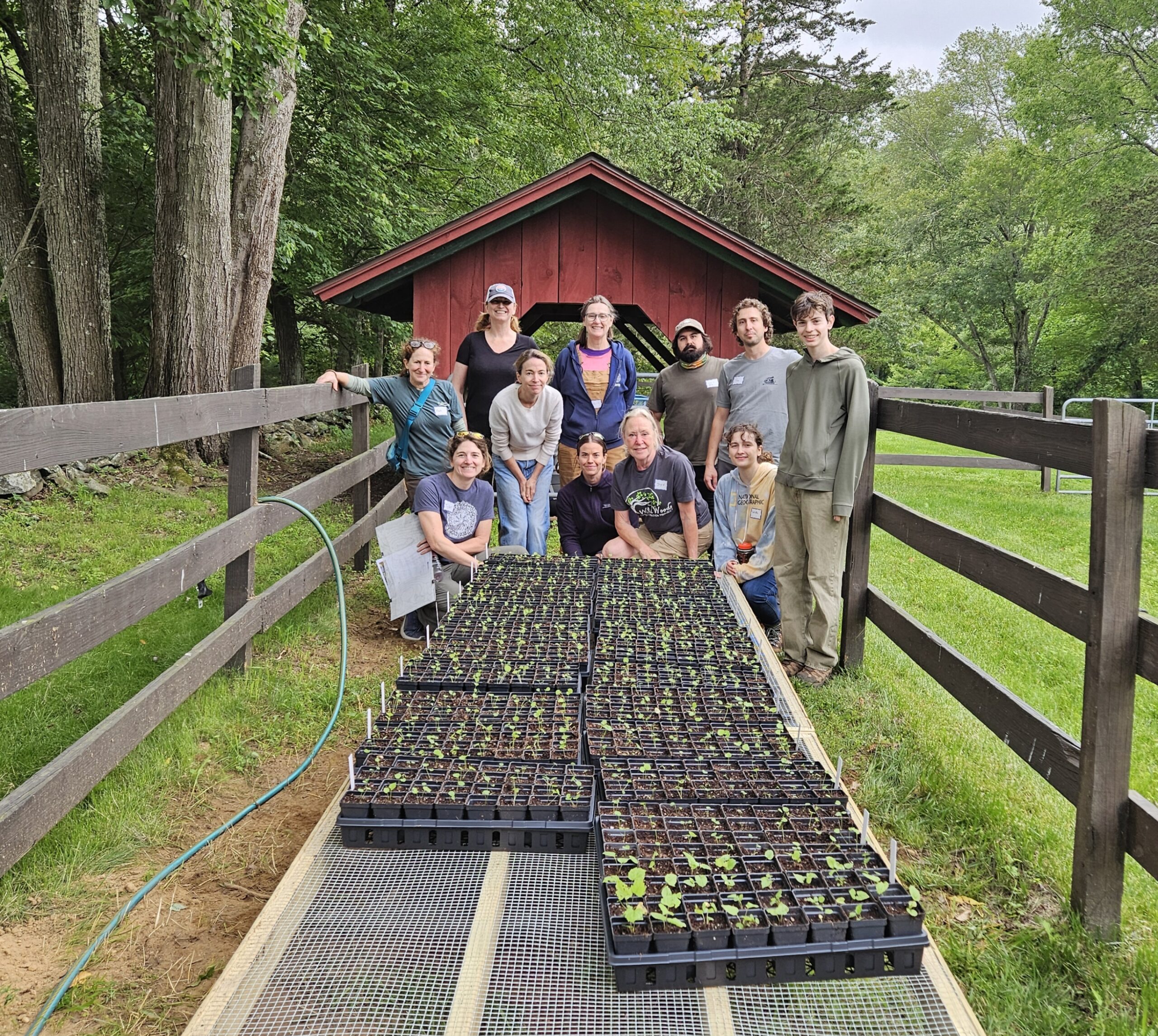
Rohleder had recently started Wild Woods Restoration Project to restore forest understory in the Hudson Valley. Most of its work involves responsibly collecting seed, and growing plants on Rohleder’s 13-acre property in Salisbury Mills, as well as at the homes of volunteers who nurture flats of plants over the summer. The young plants are installed at parks and preserves that can protect them from deer.
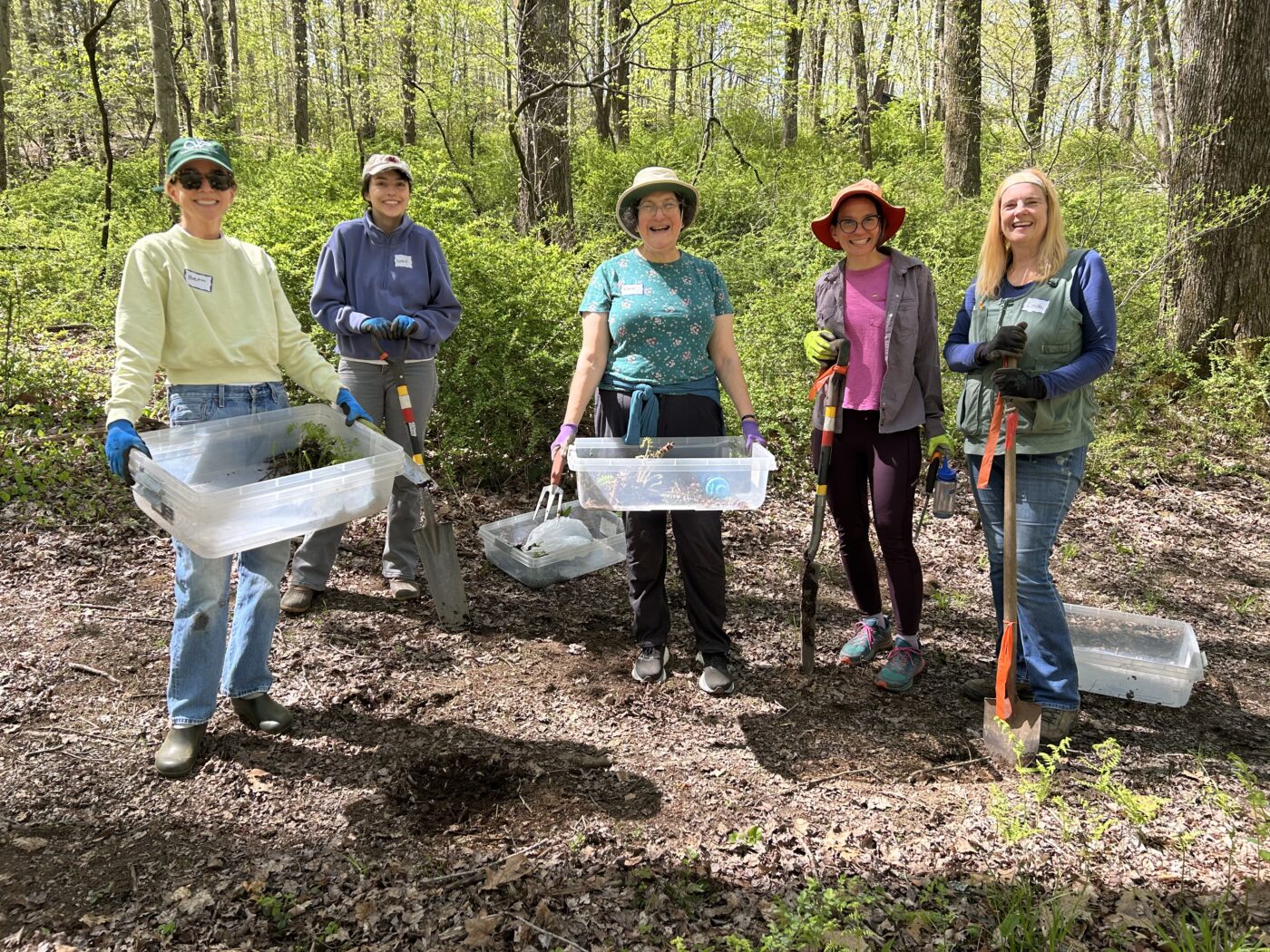
Plant rescues comprise a smaller portion of Wild Woods’ projects. Here’s how they work: Typically, Rohleder is invited by a park manager or private land owner to scout the area of an upcoming construction project, whether it’s a new building or trail. If there are a variety of species in sufficient quantities to rescue, she organizes volunteers to dig up the plants and help transport them to her property, where they’re potted and kept until a suitable spot is found to plant them. In the past three years, the nonprofit has carried out at least eight rescues.
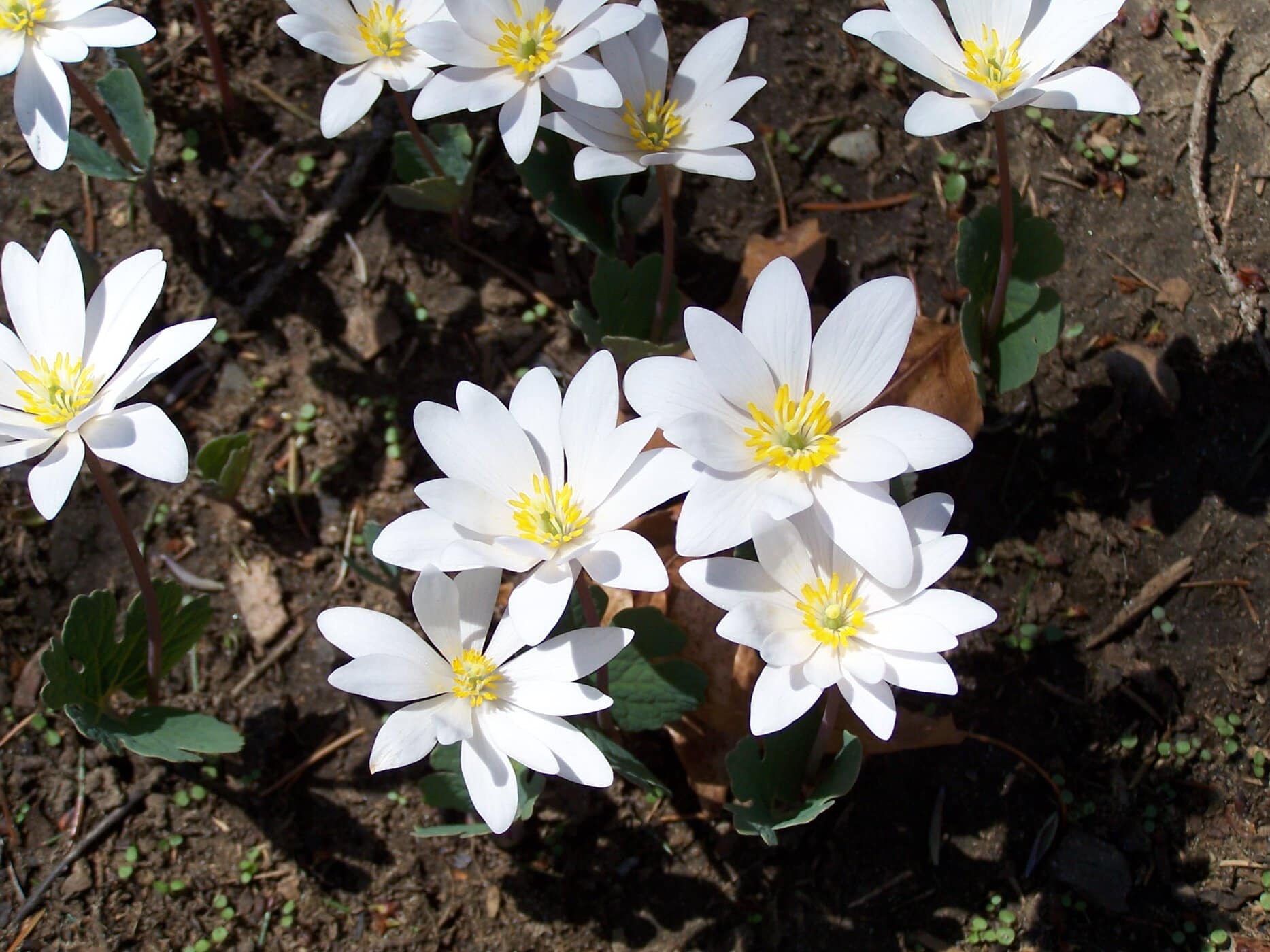
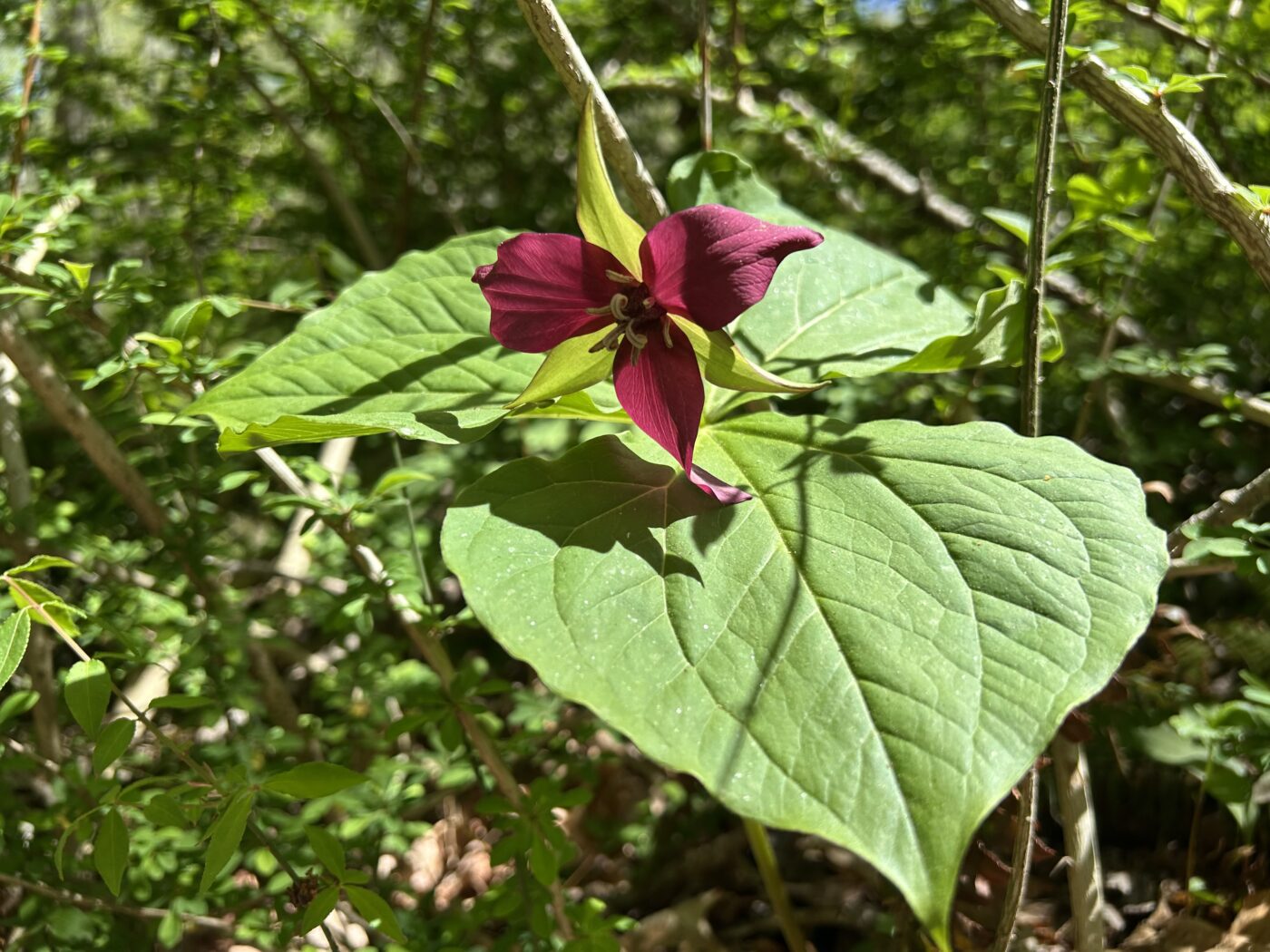
In April 2023, Rohleder and her husband, Rich Pillar, a retired landscape architect, scouted the Black Creek Preserve site and determined there were several plant species worth saving. Over Memorial Day weekend, the pair — along with 11 volunteers — rescued the Dutchman’s breeches and more, all as part of a monitored activity approved by Scenic Hudson. The 23 species saved included bloodroot, zigzag goldenrod, red trillium, foamflower, Christmas fern, and white turtlehead — estimated at nearly $7,000 worth of plants.
“It was a win all around in my book,” Smith says. “The project could move ahead, and we reduced its impact through this rescue.”
Last fall, Rohleder and Pillar were notified of another potential rescue: a restoration of the public swimming facilities and historic bathhouse on Lake Sebago at Harriman State Park. Ed McGowan, assistant district manager of the Hudson Valley Environmental Stewardship District for NYS Office of Parks, Recreation & Historic Preservation, contacted Rohleder after scouting the area to determine the impact of the project, and noticed blooming lady’s tresses orchids, as well as many other native plants.
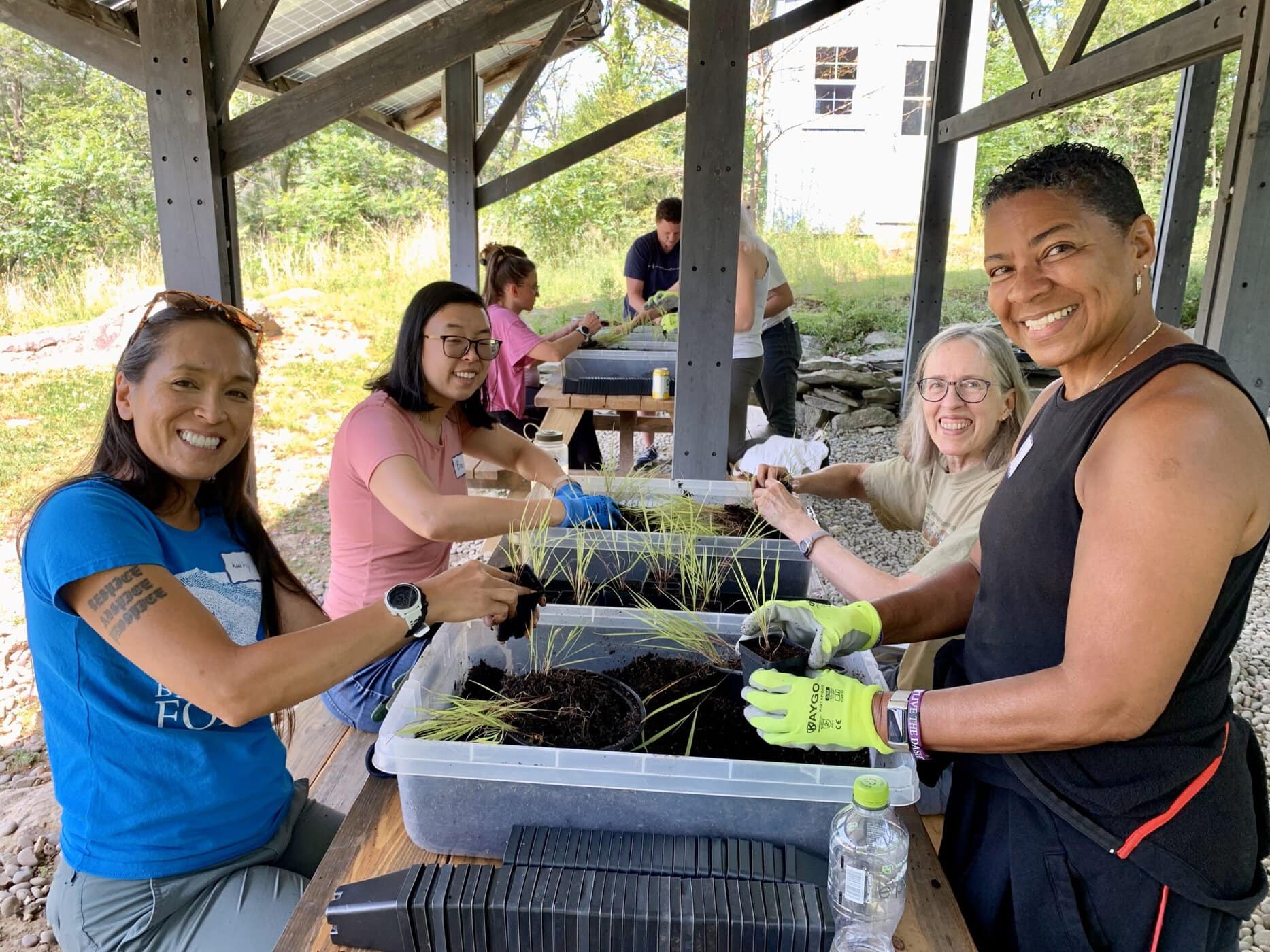
“We tallied what species were there, and said, ‘Okay, let’s get some people together and see what we can save,” says Rohleder, who was awarded Plant Conservationist of the Year for 2024 by the New York Flora Association.
The pair returned last spring and found more plants, including blooming native blue-eyed grasses. After Pillar noticed one patch of blue-eyed grass differed from the others, they sent photos of it to Steve Young, former chief botanist for the New York Natural Heritage Program, which tracks and studies New York’s rare plants, animals, and natural areas.
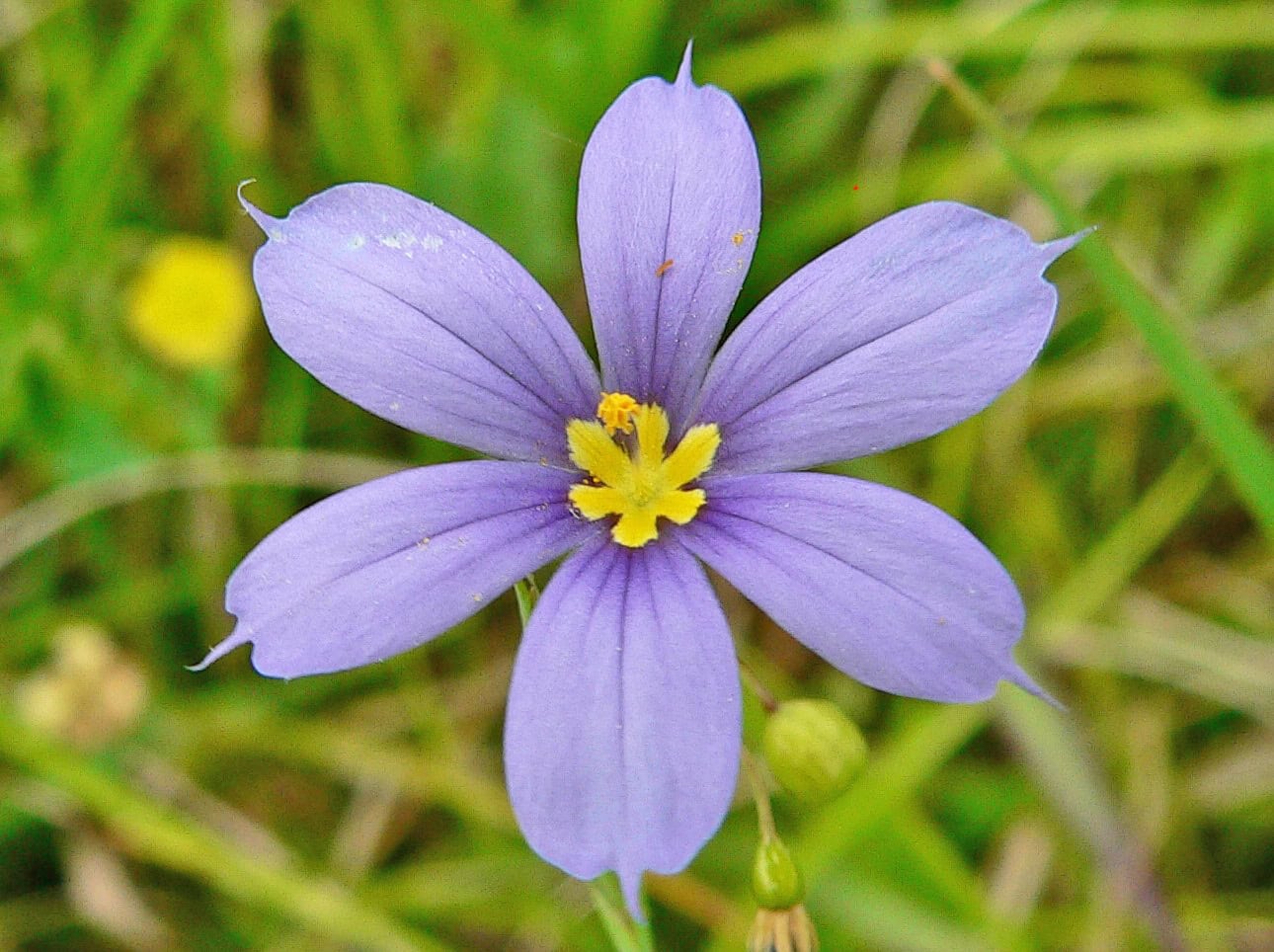
Young confirmed it was sharp-tipped blue-eyed grass, which is ranked as critically imperiled, indicating it’s extremely rare and vulnerable to disappearing from the state. In addition to the rare find, the rescue saved more than 1,000 native plants.
As satisfying as it is to rescue plants, it’s especially rewarding when they find their forever home. Last spring, Rohleder found herself working in an area where some of the rescued bloodroot had been relocated. “We saw those bloodroots blooming and producing seed pods,” she says. “It felt great to see them thriving in their new location.”
Rohleder believes Wild Woods is the only group performing plant rescues in the Hudson Valley, and notes that only professionals who are invited to perform a rescue should do so. To join her roster of almost 150 volunteers and contribute to restoring Hudson Valley forests, complete the volunteer form on her site. “I think people are really inspired by our plant rescues — they get to literally save native plants from the bulldozer.”