


When Dutchess County tailor James A. Orr went west during the California Gold Rush, he found fortune — just not the way he or anyone else expected. At one point, legend has it, Orr bent down to inspect gold dust, and the seat of his pants split apart. When Orr returned to the Hudson Valley, he used that embarrassing moment to develop a new idea: a sturdy pair of work pants that could be produced commercially.
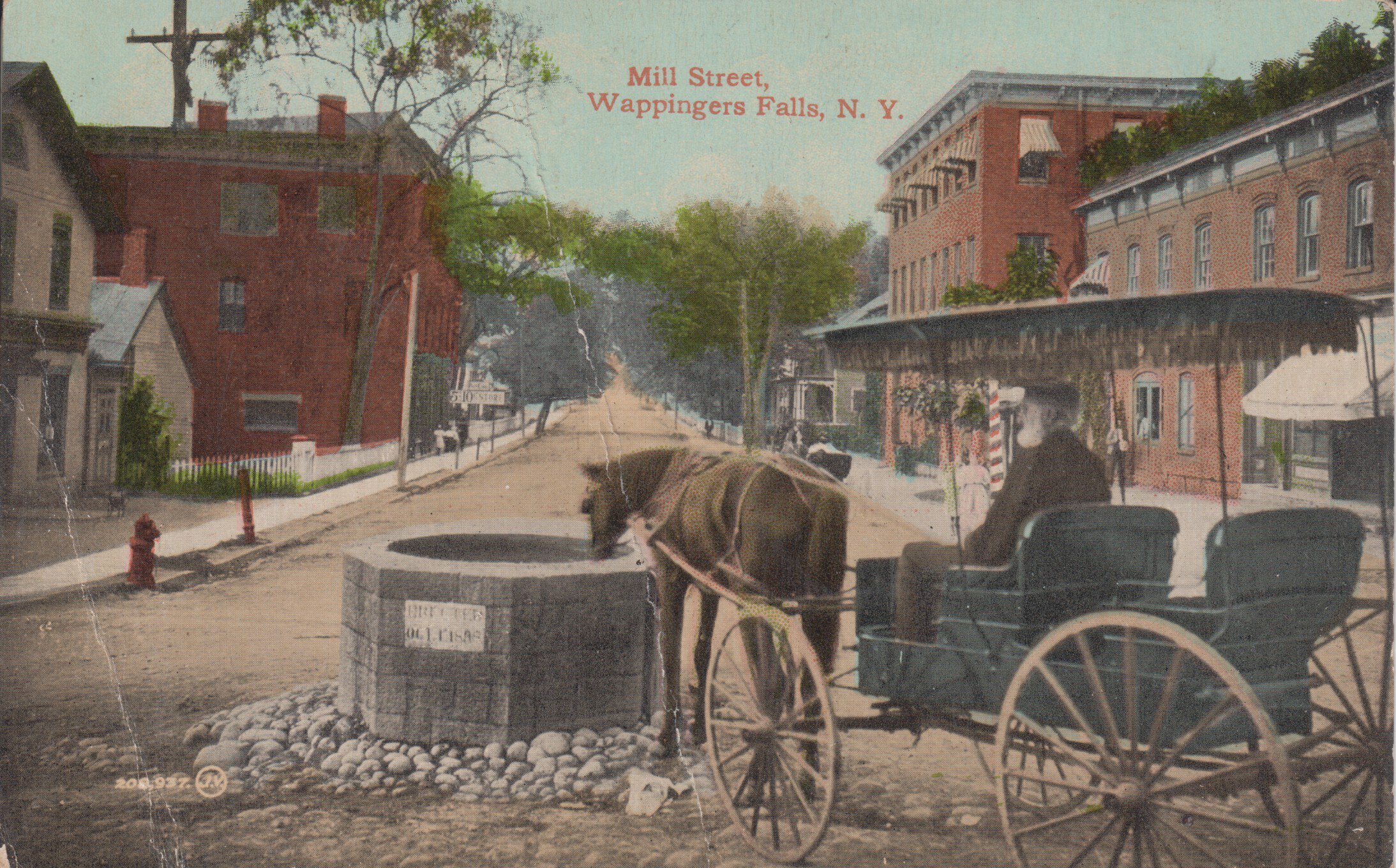
It took nearly 10 years, but Orr’s vision came to life. In July of 1871, he formed a partnership with his nephews, Clayton E. and Clinton W. Sweet, and began producing durable denim “waist overalls” on the second floor of a brick building in Wappingers Falls. Unlike bib overalls, which would become popular in later years, waist overalls were an early version of today’s coveralls: heavy-duty workwear with multiple pockets that could be pulled up over work boots and long johns. “Uncle Jim,” as he was known to family and employees, believed that the pants should be made in custom sizes, a novel idea at the time.
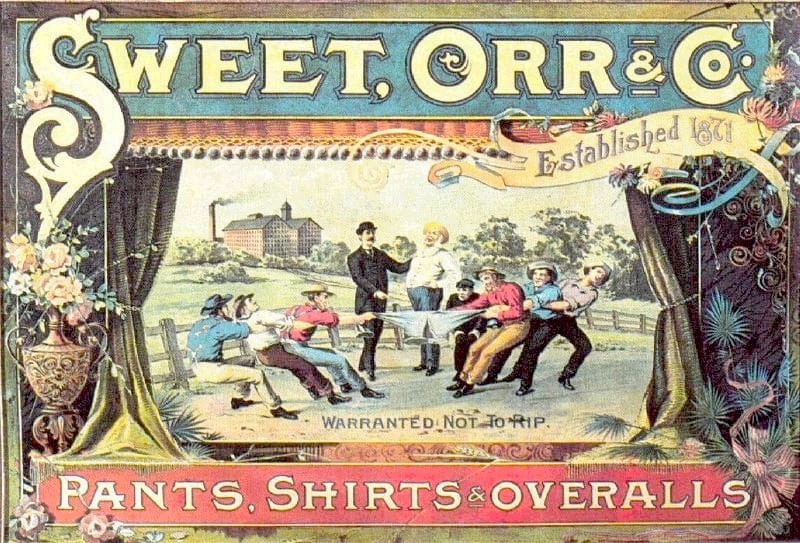
The new Sweet, Orr & Co. started out with a small team of male tailors cutting precise measurements while six young women used foot-operated, steam-powered sewing machines to construct what are thought to be the first commercially produced denim jeans in the United States. Levi Strauss eventually got all the credit for popularizing blue jeans, after marketing them as a leisure and style brand. Sweet-Orr never really pushed beyond the work market; it began producing its pants in 1871, while Levi Strauss didn’t patent its innovation (riveted pants specifically) until 1873.
Local workers created the garments so quickly that the new company had a stock of 900 work pants before the first pair had even been sold. The Sweets implored their uncle to market the clothing, as other local business owners had begun calling the idea “Orr’s Folly.” In response, Orr started traveling and made his first sale — for a dozen waist overalls — across the Hudson River in Newburgh. From there he moved on to Pennsylvania and Ohio, and soon returned with orders for several thousand pairs, an occasion that became known as “Orr’s Fortune.”
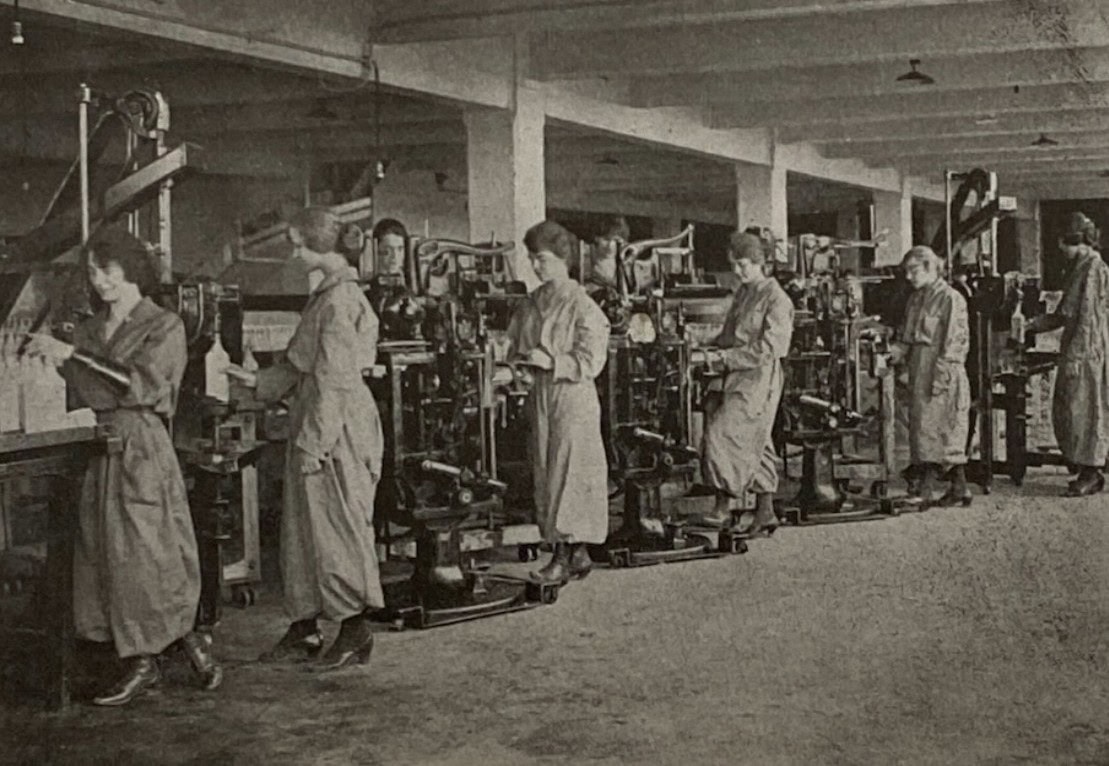
Within five years, Sweet, Orr & Co. moved into a factory in Wappingers Falls and employed hundreds of workers to keep pace with demand. At first, each worker (many younger than 16) would complete an entire pair of “Sweet-Orr” pants from start to finish. Company records note that the highest output during this period was 24 pairs in a single day, with seamstresses earning 5 to 7 cents per completed pair. Orr was known for working long hours alongside his employees in a constant effort to improve the system. Eventually, a pair of pants could be cut, sewn, and finished in about five minutes.
Two years after Sweet-Orr began producing pants on the East Coast, the San Francisco-based Levi Strauss & Co. filed a patent for metal rivets, used to reinforce points of tension on its own denim overalls, and began advertising heavily. In response, Sweet-Orr began an extensive campaign advertising the “best cottonade pants, jean pants, wool and corduroy pants, and working shirts ever offered to the working man.” To prove the strength of theirs, Sweet-Orr launched the “Tug-O’-War” campaign that would become its trademark. Free work pants were offered to any six-man team that could rip the garments apart by pulling at them, Tug-O’-War style.
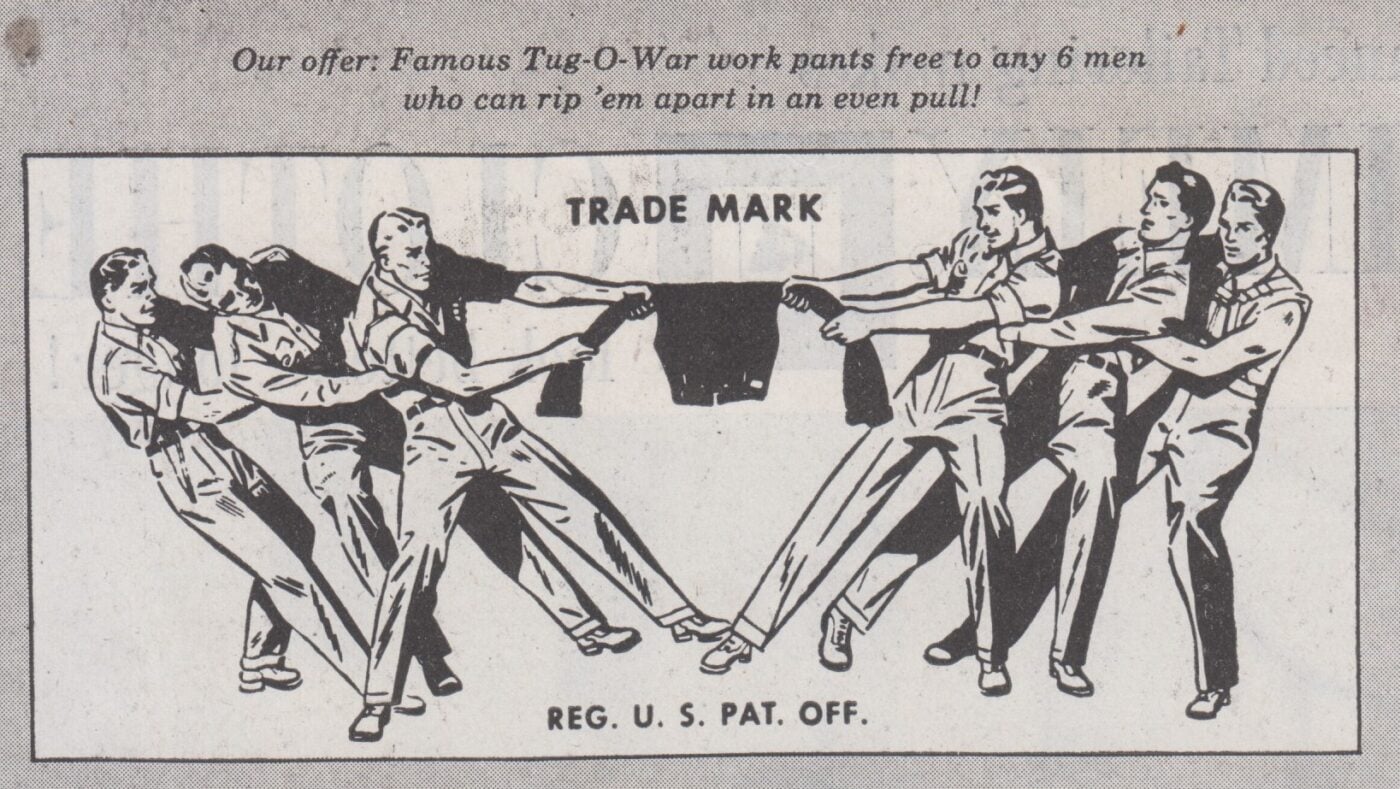
Other clothing companies followed suit and began using a variation of this idea to advertise their own products, most notably Levi Strauss, who created a label showing horse teams attempting to pull apart their denim. For a period of time, most commercially produced American work pants featured labels with images of horses, tigers, elephants, and even cars attempting to pull the fabric apart. As other companies made their commercial jeans more fashionable, Sweet-Orr designers focused instead on improving their protective workwear.
Originally brought in as a financial backer, Clinton Sweet went on to become one of the company’s key innovators. He patented a buttoned trouser leg that allowed wearers to pull the waist overalls on over work boots more easily. Sweet also supported the labor movement, helping establish an employee committee to address workplace concerns. This is regarded as the first collective bargaining program in an American business. As a result, Hudson Valley Sweet-Orr employees received Charter No. 1 from the newly established United Garment Workers of America. To mark the occasion, the company added a “UNION MADE” logo to its clothes, becoming the first company in the United States to do so.
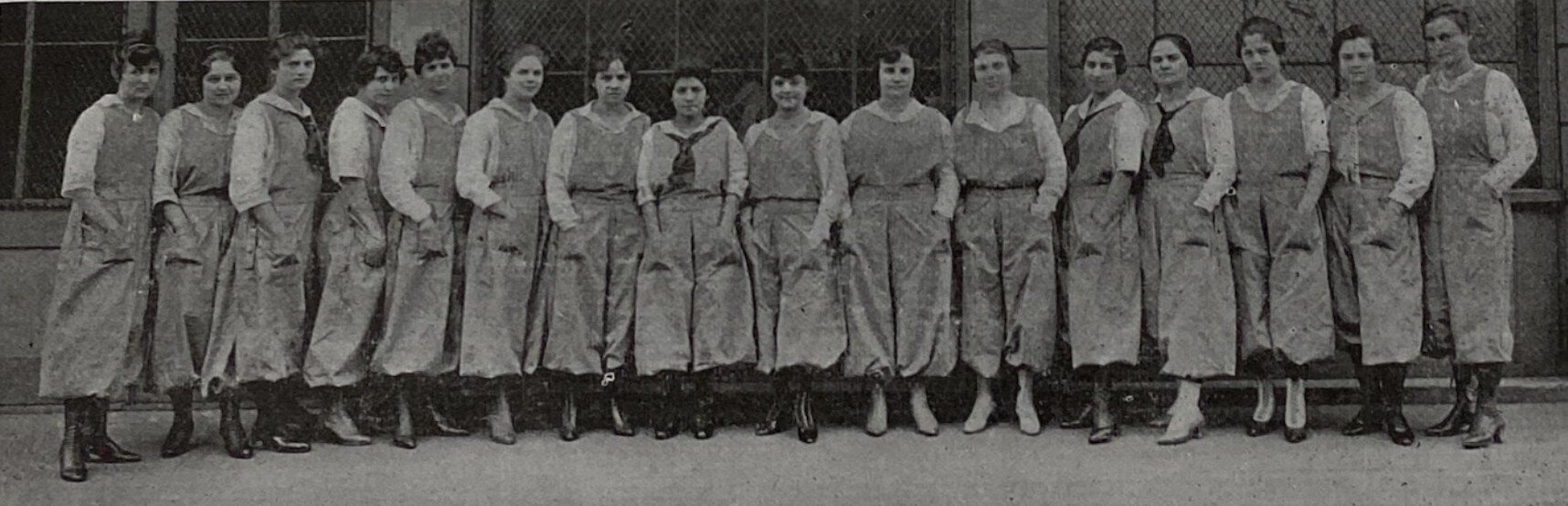
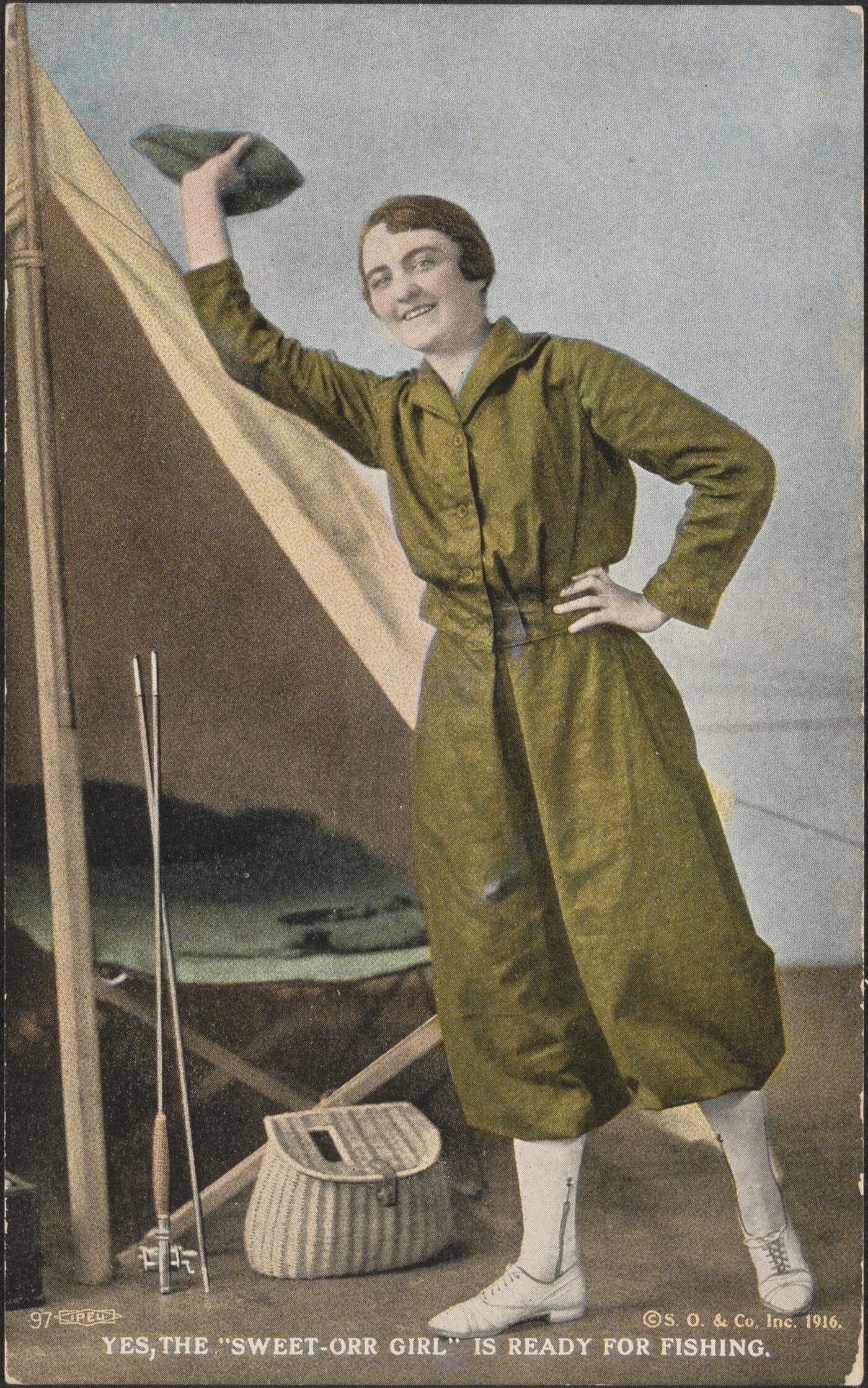
Business continued to grow, and Sweet-Orr opened two additional factories in the city of Newburgh (Orange County) by the late 1800s, eventually expanding operations into Yonkers, Port Jervis, and NYC before extending across the country. The war years brought about even greater demand for workwear as the military sought durable uniforms. In addition, as men left for service and women filled factory jobs, workers needed practical clothing that would not catch in machinery. In response to requests for safer workwear, Charles W. Bartrum, a manager at the Newburgh Sweet-Orr plant, designed a two-piece uniform consisting of a cotton blouse with a sweetheart neckline and bloomers with a cinched waist.
Sweet-Orr patented this garment, called the “Womanall,” on Dec. 12, 1916, shortly before the United States entered World War I. During World War II, the company designed and manufactured camouflage uniforms that became standard issue for servicemen in the Pacific, while continuing to produce versions of the “Womanall” for women working in factories, on farms, and in other physically demanding jobs.
Despite this success, rising production costs in the United States marked the beginning of Sweet-Orr’s overseas expansion. The company partnered with British workwear firm Lybro and established a factory in South Africa. By the 1950s, the Wappingers Falls and Newburgh factories had closed, and production of Sweet-Orr & Lybro clothing eventually became centered in South Africa, where the company’s headquarters remain today.
Although Sweet-Orr & Lybro products are now manufactured overseas, the company’s Hudson Valley origins are woven into its identity. Sweet-Orr’s early history survives not only in modern garments named for Wappingers Falls, the Hudson River, and Newburgh, but also in the stories of “Uncle Jim” Orr, whose practical idea grew from a local experiment into a workwear brand with an international reach.