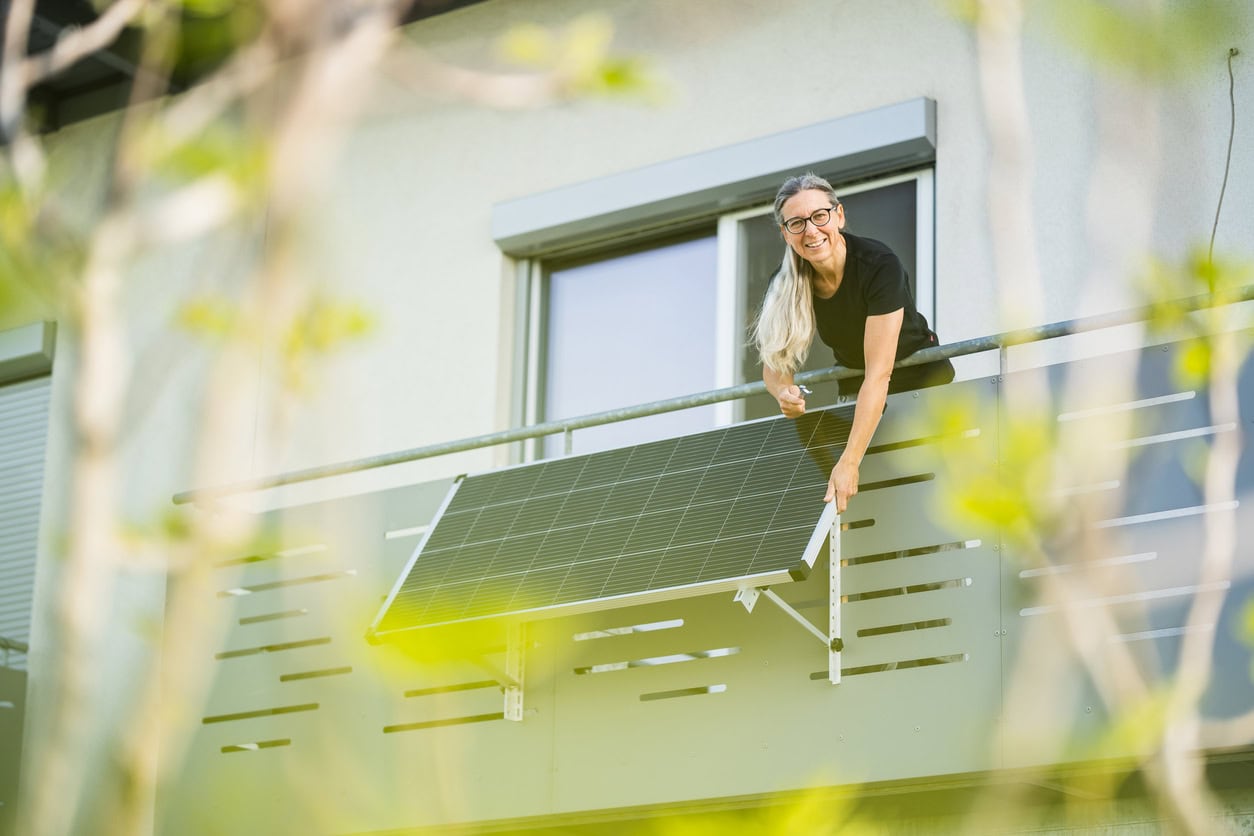


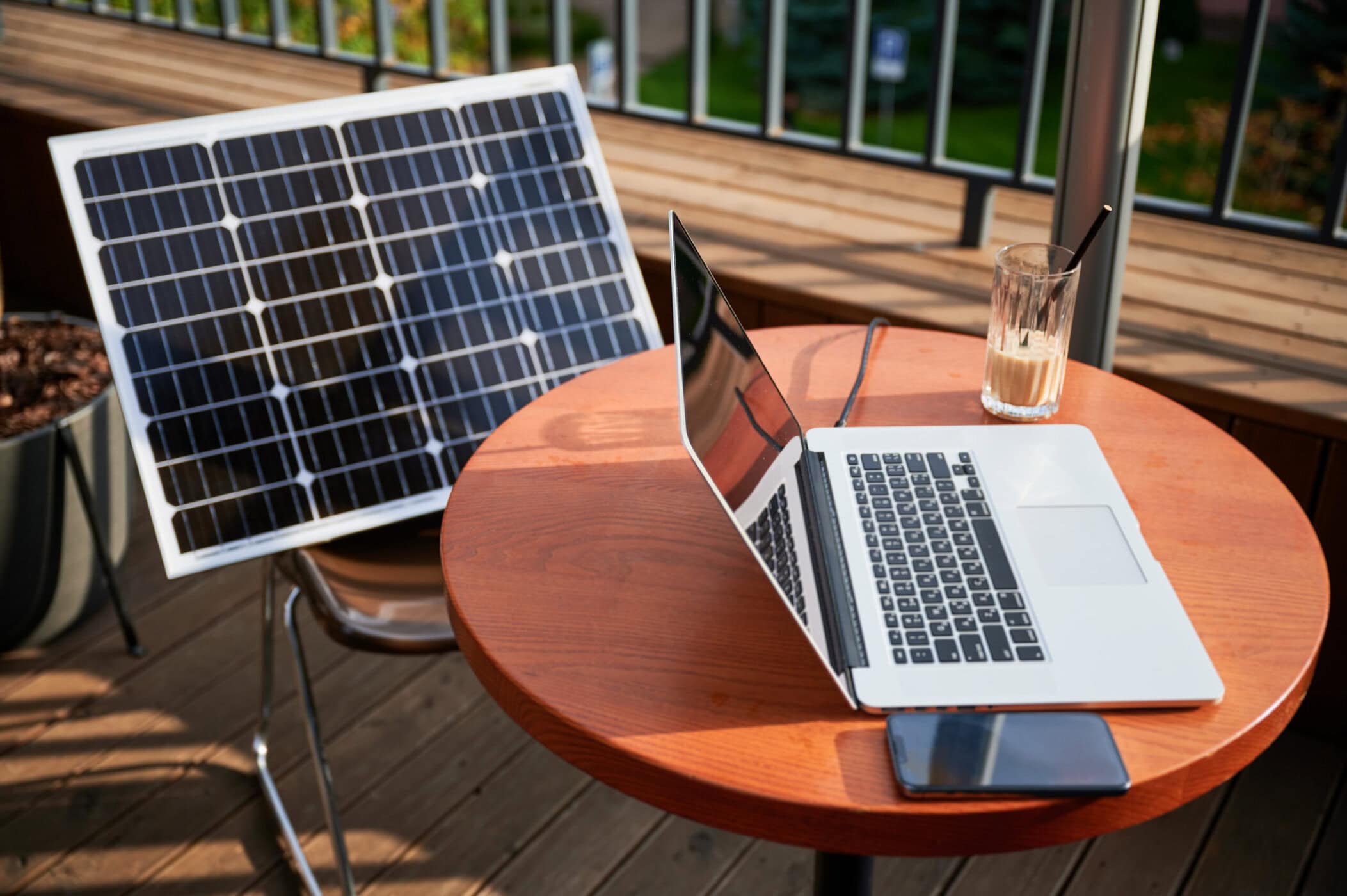
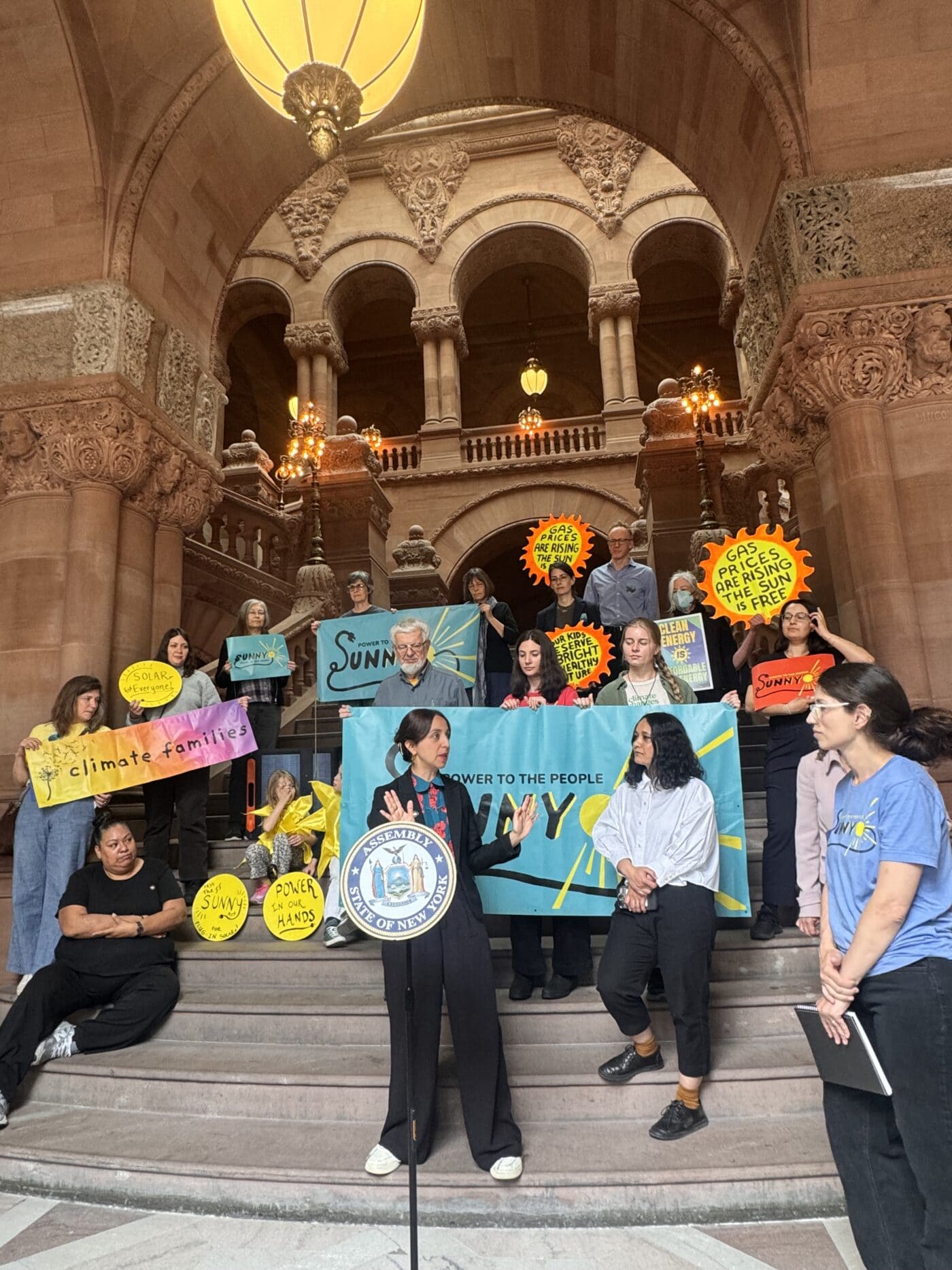
Thanks to the work of activists across New York State, including in the Hudson Valley, the New York State Legislature passed the long-awaited SUNNY Act at the end of May. The law, now on Gov. Kathy Hochul’s desk for signature, would effectively legalize the use of what residents in NYC and around the world have called “balcony solar.” These small, portable, plug-in solar panels are capable of powering household appliances and other devices without the need for professional installation.
New York will soon join at least nine other states nationwide that have set formal regulations governing the energy-generating capacity and safe use of these devices. Utah was the first to pass such a law in 2025, and the governor of New Jersey just signed a law legalizing on Sept. 1, 2026. Some form of legislation allowing balcony solar is in the works in about half of the states across the country. While the movement to make these mini solar power plants “street legal” is just beginning here in the U.S., balcony solar is already a familiar part of the renewable-energy landscape in portions of Europe like Germany, Austria, and Italy. Germany has become a leader in the plug-in solar movement, with more than 1 million units installed in the country within the last few years.
”I just actually put ours in two days ago,” says Kathryn Kassner, a resident of the town of Milan in Dutchess County and local climate organizer. She was inspired to put in the 3×4-foot panel by both her local climate activist connections and her German family ties. “I’m anxious to see how it does,” she adds.
Don’t let the name fool you. While you’d normally see these small generators providing a few hundred watts of power at a time on the balconies of apartments, they’d be just as useful posted all over the small towns and cities of the Hudson Valley. New York’s SUNNY Act specifically allows for balcony solar to be used in both residential and commercial settings.
“One benefit of them is that the local permitting processes for traditional residential solar systems in New York State can be really onerous,” says David Chernack, an environmental advocate for Scenic Hudson. “And it leads to a really high level of projects — some people say as high as 20% of residential projects — dying during that phase because people either lose interest or it becomes too expensive.”

While still in its infancy, if the impact within Germany is any indication, the burgeoning U.S. balcony solar scene could lead to big reductions at the residential level. In Germany alone, the 1 million units in use over there have cut more than 300,000 metric tons of carbon emissions each year.
“We should not understate the symbolic richness of plug-in solar,” says Michael Richardson, Third Act campaign director and upstate working group founder. “It sends a clear message — like [environmental activist Bill] McKibben says — that all we need to do is point a sheet of glass at the sun and generate electricity. That we do not have to go from faraway places and extract this ancient fuel source and pollute our planet and all the things that come with it. As McKibben has been pointing out, the sun sends this energy from 96 million miles away.”
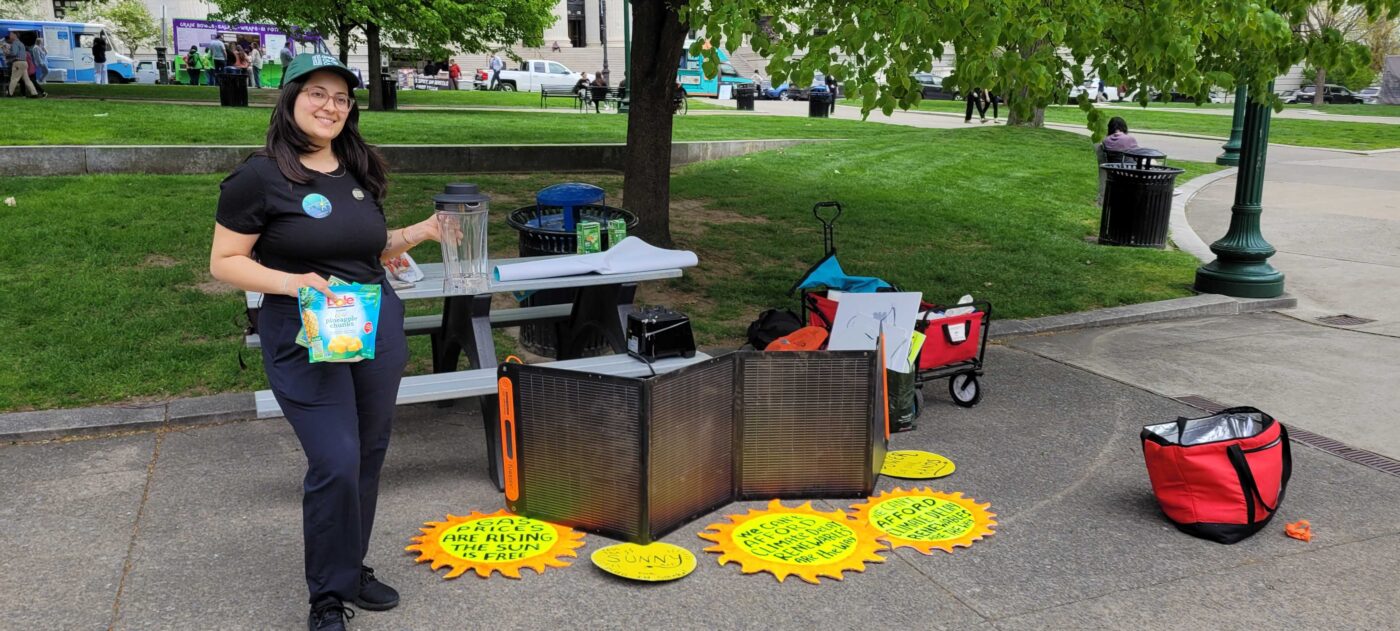
Residents like Kassner are leading that movement here in the valley, as part of the first wave of people to give them a go.
“It’s portable, so for somebody who’s renting and you might leave, it’s worth investing in,” Kassner says. “Although I think a lot of people think of urban [areas], I think it could also be utilized in rural settings. People live in apartments everywhere. I think it could be applied in a lot of places.”