


Not long ago, Halloween decorating took some fake spider webs, a smattering of gourds, and of course, a jack-o’-lantern on the stoop. Over time, as yard inflatables and 12-foot plastic skeletons have taken over, the classic pumpkin seems far less wasteful.
As with Christmas tree farms, using land to grow pumpkins keeps it for agricultural use, helping prevent suburban sprawl. In 2024, U.S. farms produced 1.44 billion pounds of fresh pumpkins across nearly 70,000 acres, according to the U.S. Department of Agriculture. But while the overall land-use effect is positive, the ecological impact may be more of an environmental strain than intended when spent pumpkins and gourds rot in landfills, producing the potent greenhouse gas methane.
So how can we decorate for the harvest season in a way that’s both celebratory and sustainable?
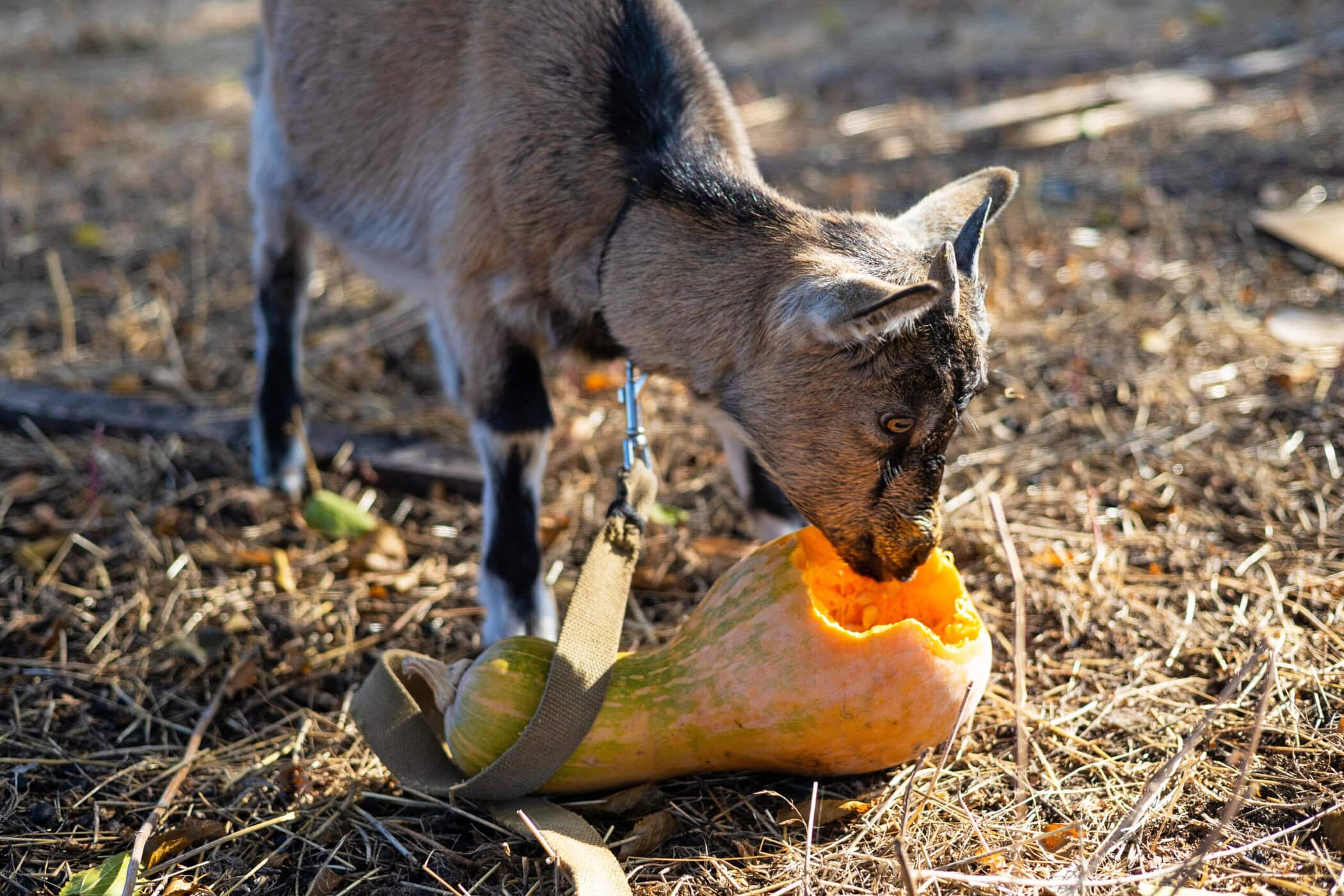
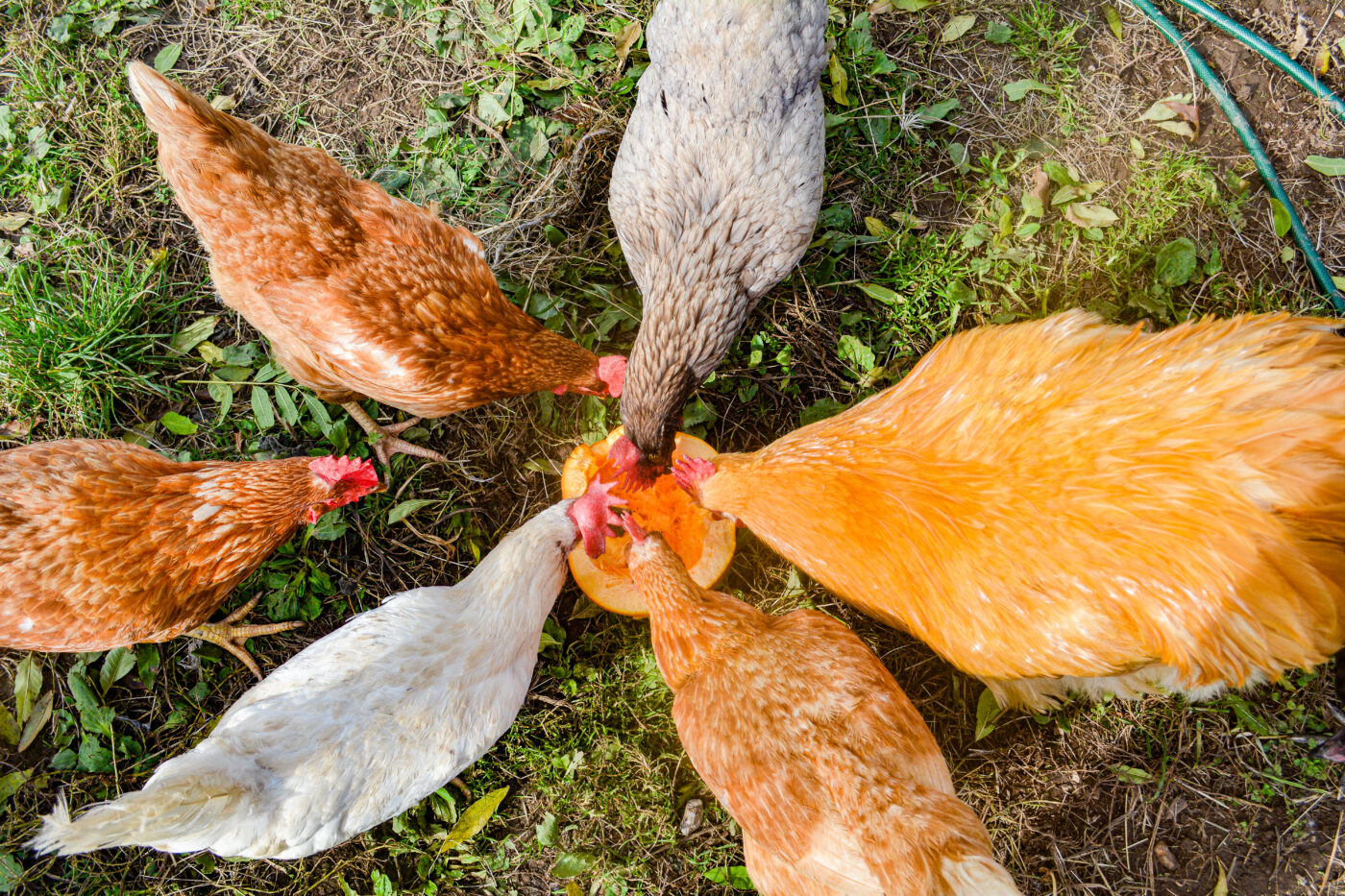
One idea: Instead of tossing that old jack into a landfill, you can donate nutrient-rich pumpkins to farm animals. Tammy Drost, who owns animal rescue organization Hope Farm in Saugerties, finds they can be a nutritious snack for goats, sheep, and other farm animals. Her self-funded nonprofit sits on about 5 acres and takes in animals from rescue situations.
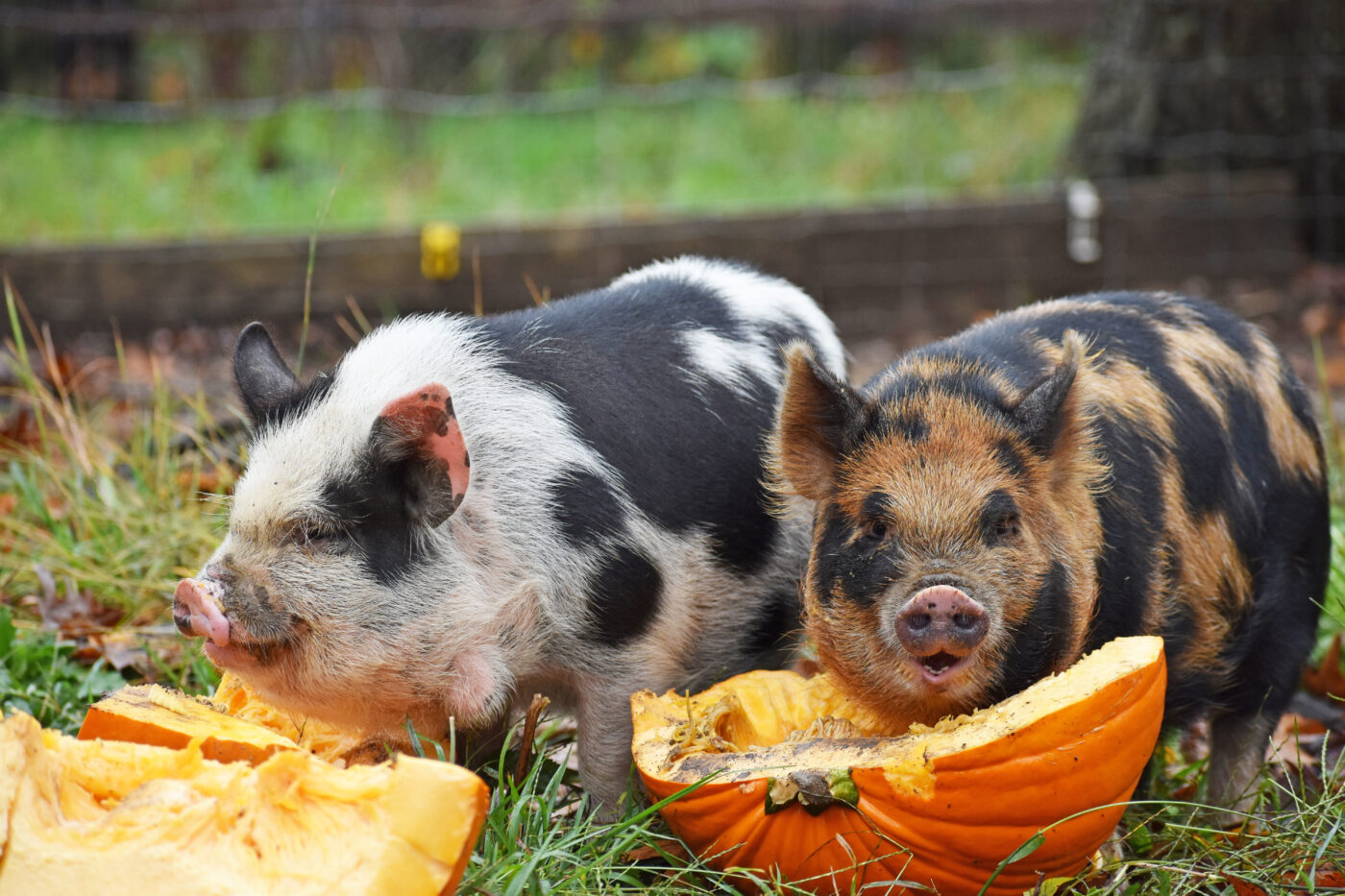
“For these animals, pumpkins can be not just healthy but also a tasty treat,” Drost says. “We don’t grow pumpkins here, but the goats, sheep, and other animals are happy to have them, and we welcome people dropping them off.”
Although the farm is not walk-up, visits with the animals can be arranged, turning it into an educational opportunity for families. “We offer visiting hours and right now we have close to 100 animals,” she notes.
Pumpkins for a range of animals are also accepted at Seedsong Farm in Kingston. “The livestock on our farm are mostly educational, but we also sell eggs from chickens and ducks and the wool from sheep,” explains farm founder Creek Iverson.
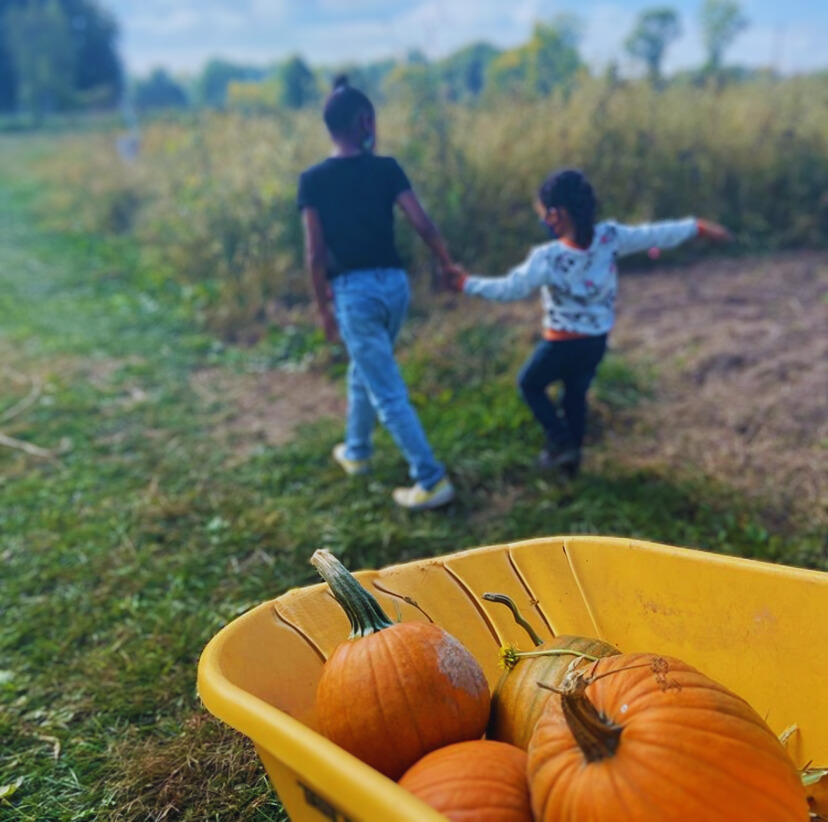
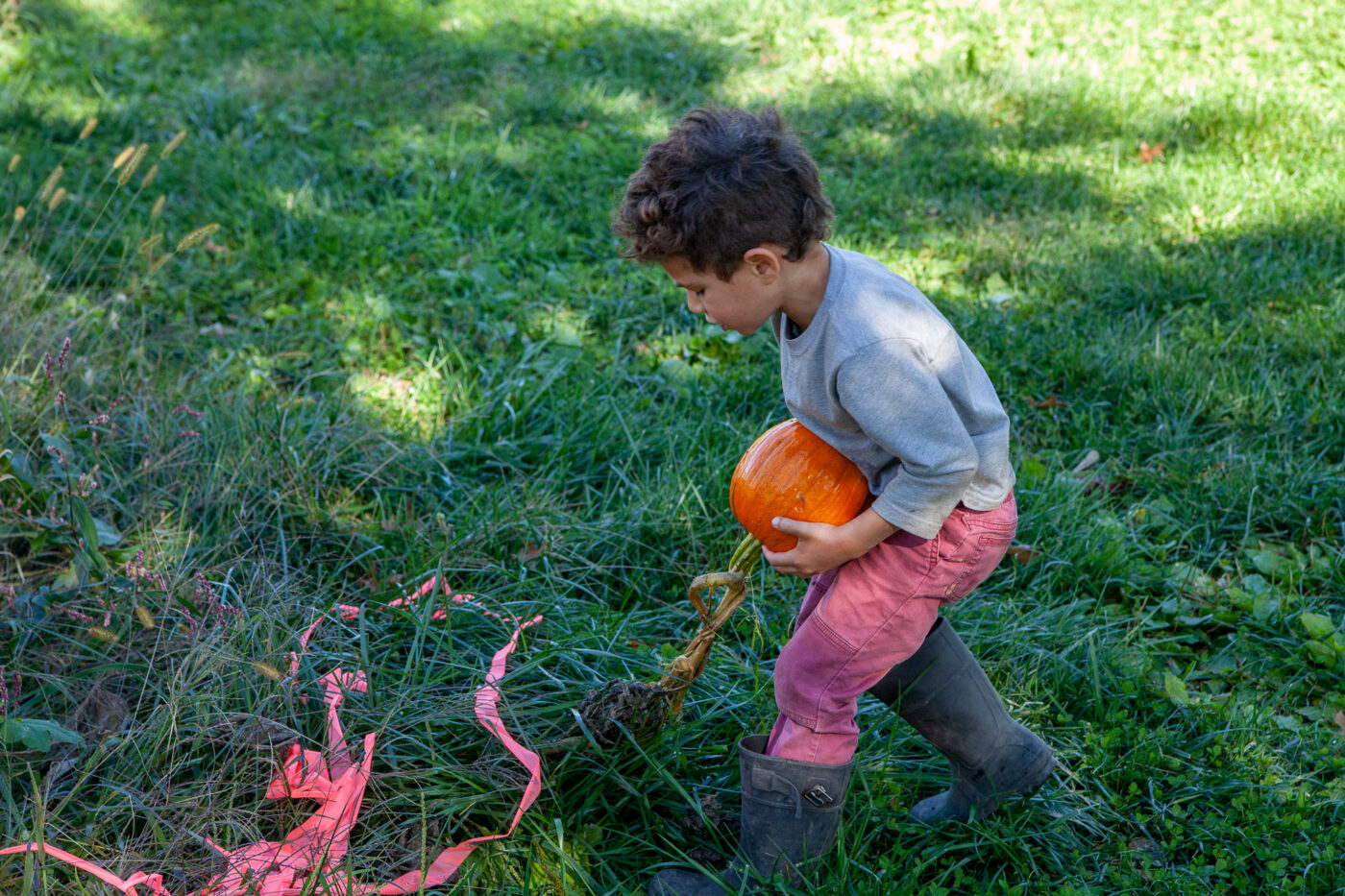
Part education and events center, part regenerative farm, Seedsong also grows pumpkins among their various crops. “We started almost entirely with mixed vegetables, and now offer maple syrup, honey, berries, and we recently planted orchards that are just coming into maturity: apples, pears, paw paw, and others,” he says. “Over the years, our pumpkins have become more popular and now we offer a full u-pick farm experience with events, hayrides, and educational fun.”
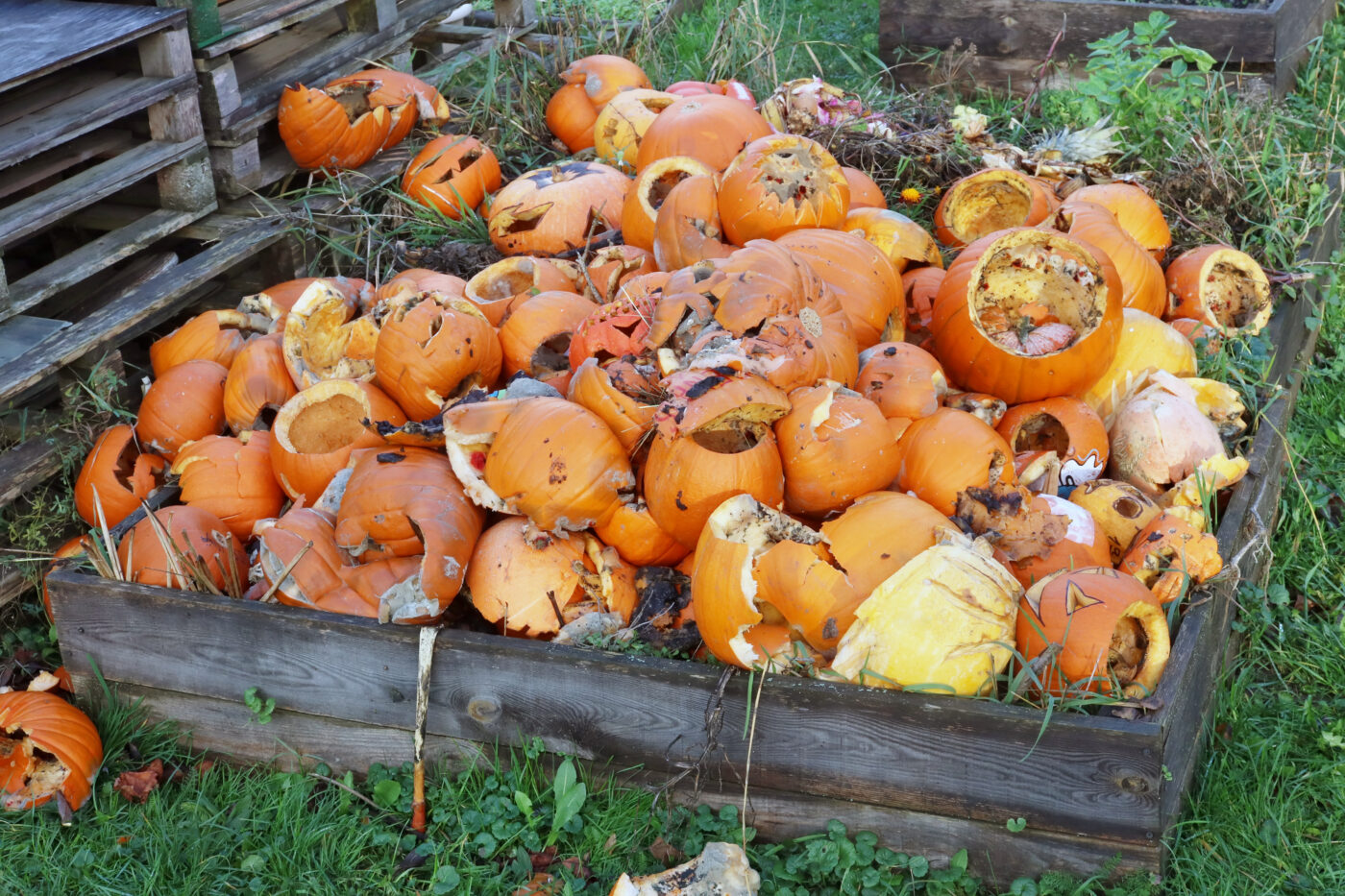
Pumpkins also make great compost. The pumpkin you pick at Seedsong can be returned post-holiday to become compost that can later be used in the farm or its community garden next year. Those interested in composting their spent pumpkins can email info@seedsongfarm.com to obtain instructions and directions to the compost area.
Some guidelines worth noting if you plan to donate or compost your pumpkins:
- Only use nontoxic water-based paint and remove the paint as best you can before donating.
- Clean out any candle wax from jack-o’-lanterns.
- Don’t bring a plastic bag for pumpkins going to the compost pile.
“You can go a step further by saving seeds and then planting your own pumpkins in a community garden plot next year,” Iversen says.