


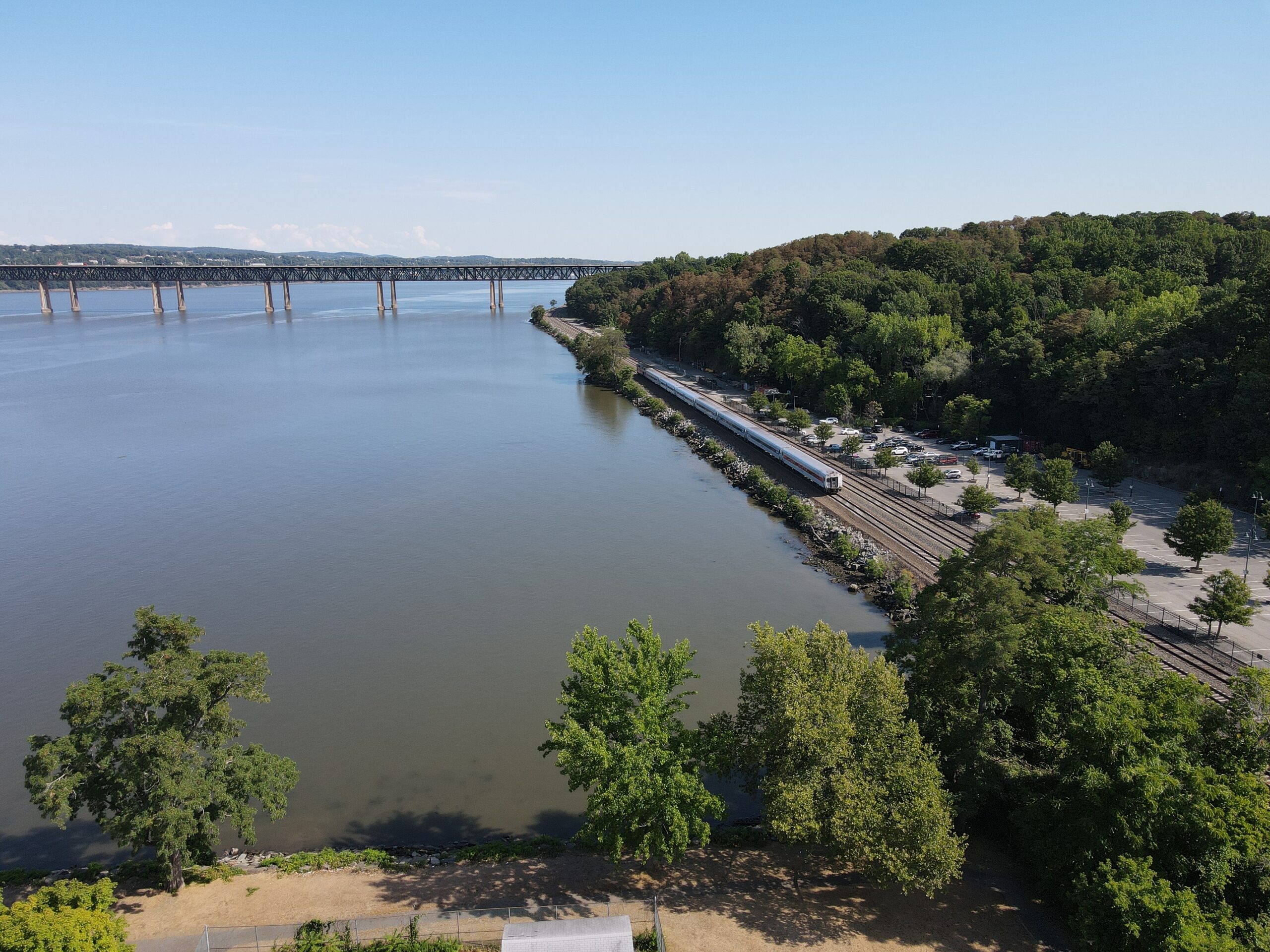
Watching my bike on the UCAT bus rack, my backpack at my feet, I felt bliss traveling from Poughkeepsie to Kingston. Fresh off a scenic Metro-North ride from Manhattan, I was energized to camp, pet-sit, and visit friends throughout the Hudson Valley. It was the perfect start to a car-free adventure.
The woman beside me didn’t share my joy. The delayed bus cost her an important appointment, just weeks after she lost her job because she couldn’t get to it.
I’m no stranger to both the joys and woes of car-free transportation. As a four-season cyclist and community organizer, I champion NYC’s bike lanes, ferries, and extensive (though certainly not problem-free) bus and subway systems. But even with these options, the city’s traffic feels suffocating. The fumes, fatalities, congestion, and carnage drive me to greener pastures.
I attempt car-free life as much as possible in the Hudson Valley. It isn’t always easy. But berry-filled rail trails, free bus rides, and carpools leave me nature-nourished and inspired. When I travel abroad, I often see true car-free living: efficient public transit, safe bike lanes, widespread vehicle sharing, and a fraction of the heavy SUVs dominant in the U.S.
My fellow multi-modal commuters understand how car-centric planning harms our region. Some of us choose this path for environmental, financial, or health benefits. Others navigate transportation barriers out of necessity.
Building a case for a less car-dependent society, nationally and regionally
In their recent bestseller Life After Cars, Sarah Goodyear and Doug Gordon outline the high societal costs of prioritizing automobiles: high emissions, traffic fatalities, and social isolation. Nearly every aspect of modern American life relies on driving. In 1969, Goodyear and Gordon note, more than 40% of U.S. children walked or biked to school — a stark contrast to today’s 11%. Stranded by car-centric design, children can rarely reach libraries or shops on their own. “Streets used to be for people,” the authors proclaim, citing the more than 40,000 people killed by cars in the U.S. each year.
It’s not all doom, though. The book offers practical solutions that decenter the car and bring streets back to a human scale. As new bike lanes, trails, sharing systems, and nature buses expand throughout the Hudson Valley, the New York State Department of Transportation and its 511 NY Rideshare initiative can help open our imaginations to an even wider array of alternatives, from bike buses to shared vans.
For many in the region, safer streets and transportation options aren’t coming quickly enough. “It’s great to give information on how to get around without a car, but you have to be explicit that the current state of our streets is still pretty unforgiving,” says Rose Quinn, former traffic safety educator for SUNY Ulster. Quinn’s partner, John “Host” Lynch, was killed while riding his bicycle on Kingston’s Washington Avenue.
Soaring costs, time-sink traffic, parking woes, and more are driving Hudson Valley residents’ appetite for less car dependency.
Explore ways to use cars less during #ClimateMonth and beyond
Walk or roll along rail trails and scenic paths. The region’s trails are many and lovely. There’s the Albany County Helderberg-Hudson Rail Trail, Ashokan Rail Trail, Dutchess Rail Trail, Harlem Valley Rail Trail, Orange County Heritage Trail, Hook Mountain/Nyack Beach Bikeway, Hudson Valley Rail Trail, Kingston Greenline, Maybrook Trailway, Putnam County Trailway, River-to-Ridge Trail, Walden-Wallkill Rail Trail, and the Wallkill Valley Rail Trail — just to name a few!
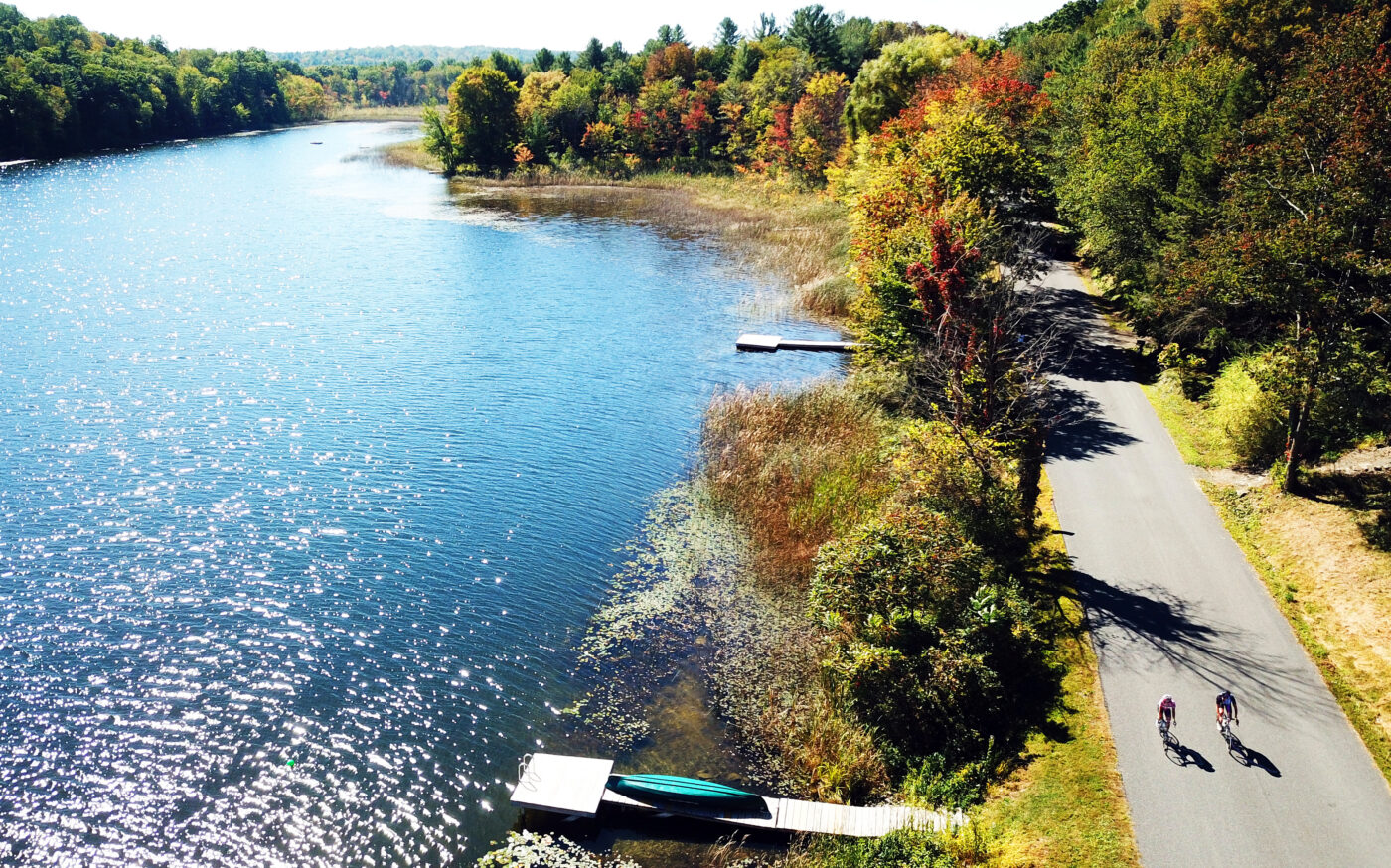
Join a group ride. Safety and fun come in numbers. Explore family-friendly monthly events like Kingston’s Critical Mass or journeys by the Beacon Bicycle Coalition. For routes and community, connect with local bike shops or Mid-Hudson, Orange County, and Mohawk Hudson cycling clubs.
Charge up an e-bike or scooter. E-bikes and scooters are making Hudson Valley hills, long commutes, and last-mile deliveries accessible to seniors and everyday adventurers. Project MOVER operates an e-bike share in Westchester and partners with local shops to offer $1,000 purchase incentives. In Hudson, entrepreneur Serria McGriff launched Crown Scooters, a community-based electric scooter share.
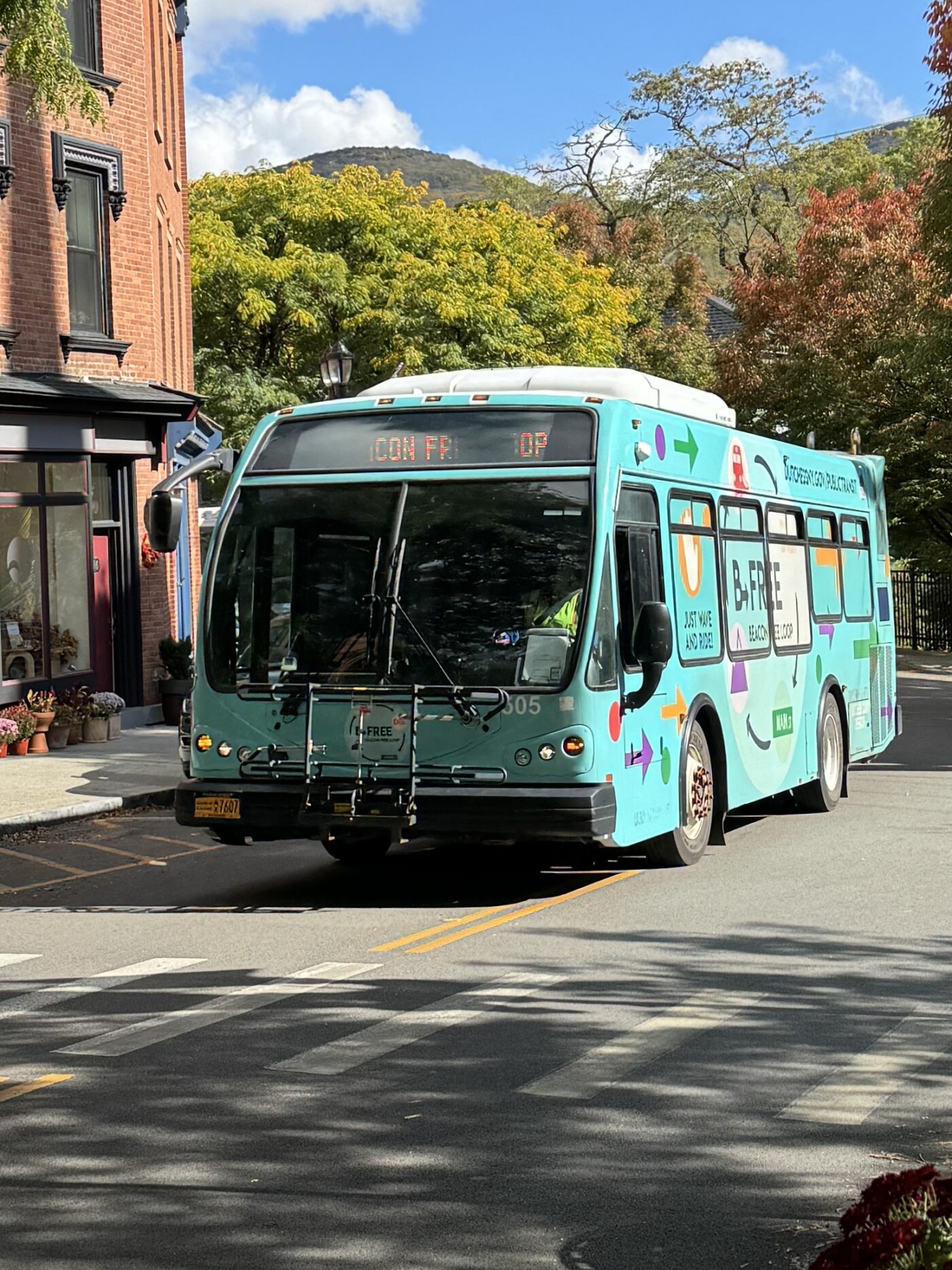
Give the bus a shot. Schedules and routes may be limited, but local county systems like Ulster County Area Transit, Dutchess County Public Transit, and Orange County Transit provide local fixed routes, regional links to train stations, and seasonal options. Riding for free while toting a bicycle is a double win! For longer commutes, Trailways, Shortline/Coach USA, and Hudson Link provide daily long-distance routes, often featuring Park and Ride lots.
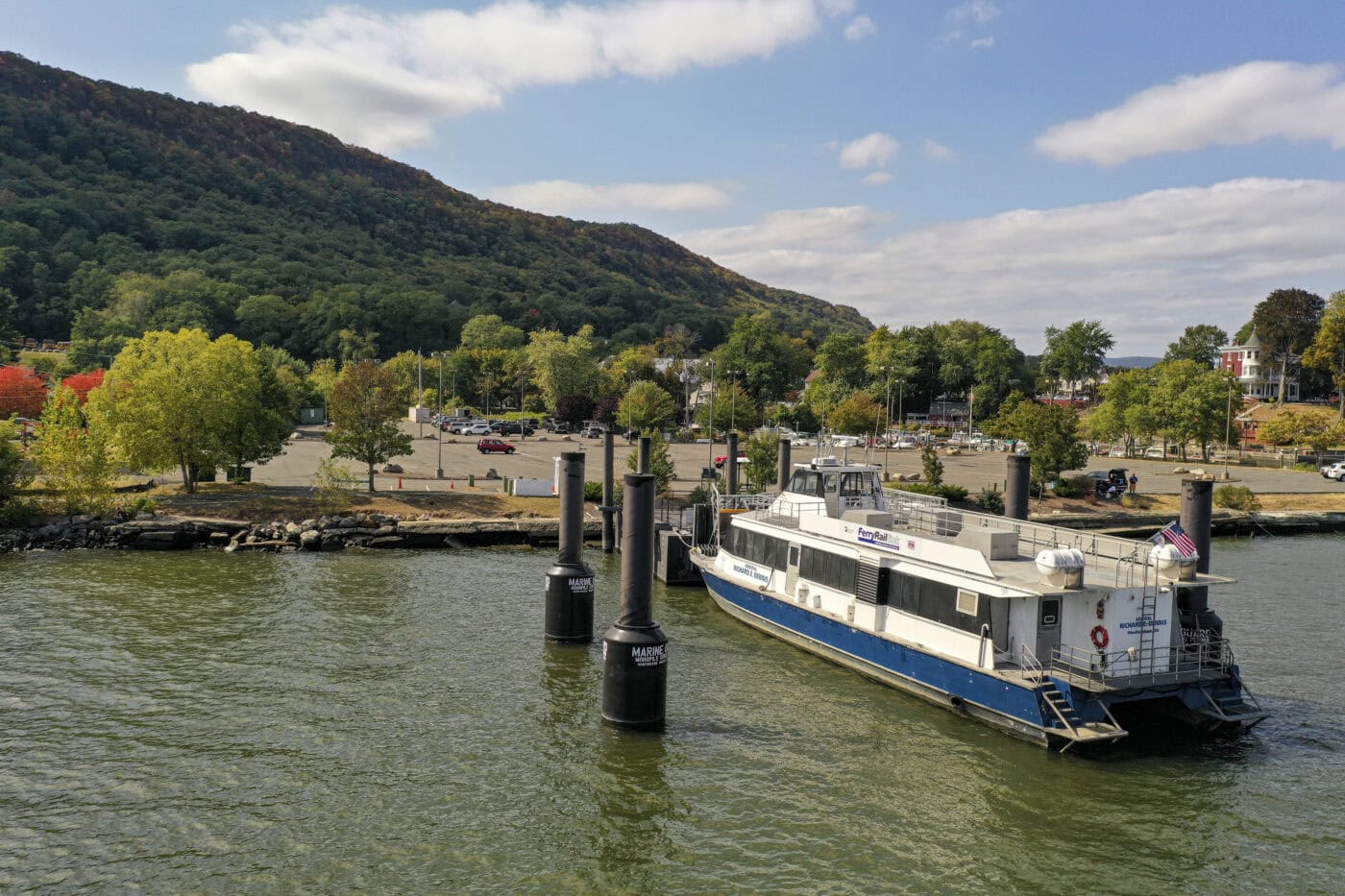
Take to the water. Studies show ferry users are the happiest public transit commuters. While the grassroots “Save the Ferry” coalition fights to restore the Beacon-Newburgh line, you can still ride NY Waterway’s 15-minute weekday and summer weekend route from Haverstraw to the Ossining Metro-North Station. For leisure, the private Hudson Ferry Co. connects Hudson and Athens.
Embrace bike and car-share programs. Whether you use Westchester’s MOVER, peer-to-peer car rentals like Turo, or traditional fleets, sharing vehicles saves time, money, and parking headaches.
Rideshare. Carpooling within and beyond the Hudson Valley saves money, reduces emissions, and builds community. By offering rides, requesting seats, or starting group threads for travel coordination, you help shift our region away from solo-driving culture.
Shuttle. In Highland Falls and Fort Montgomery, PACT, the People’s Affordable Public Transit, offers a pay-as-you-wish shuttle service, set up by and for neighbors who have no nearby public transit options.
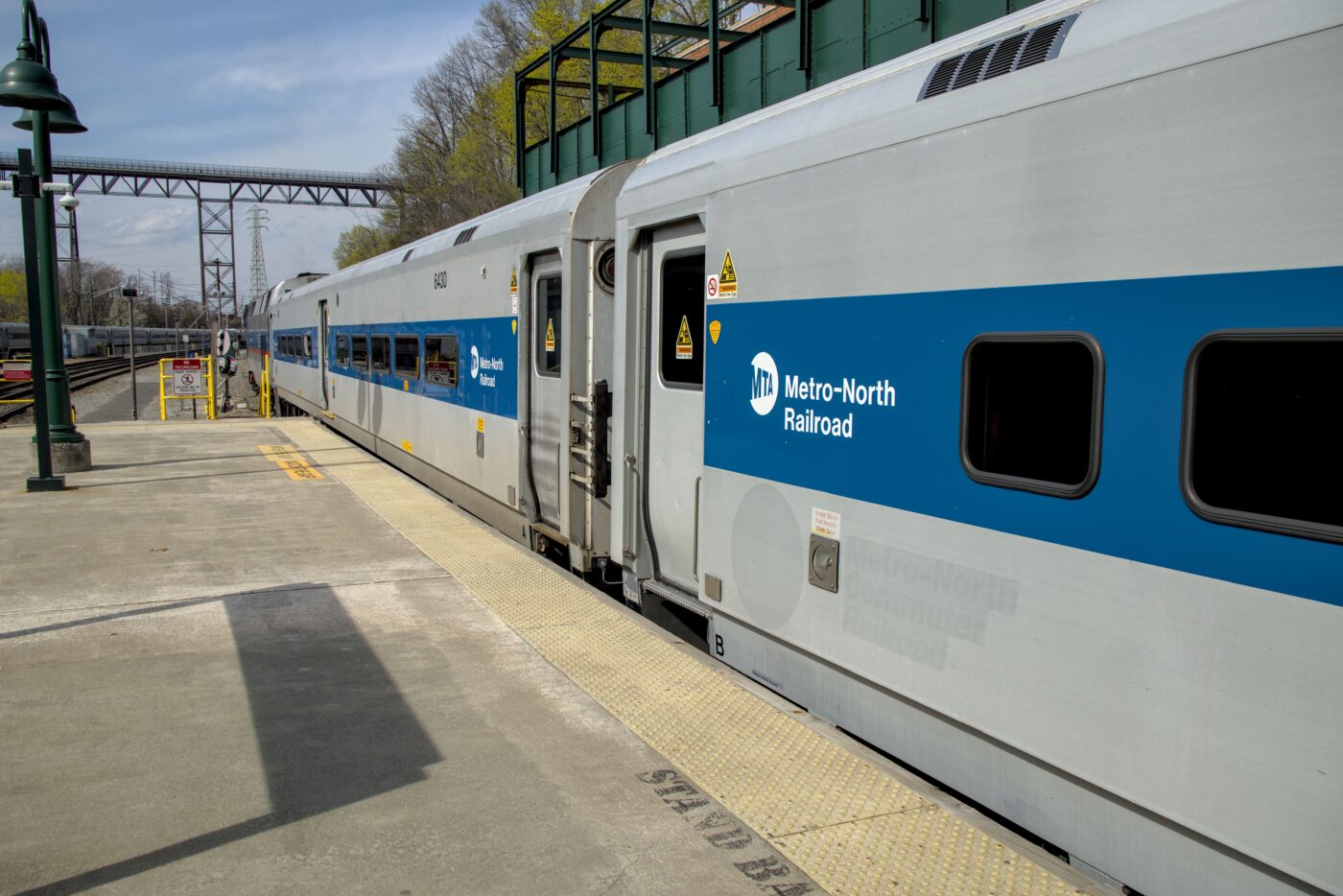
Don’t forget the train. On the east side of the Hudson, a multibillion-dollar infrastructure is always there, and typically on time. If you’re traveling up or down the river (even if you’re crossing it by car first), don’t forget the train usually offers the best — and most scenic — way to beat traffic. Metro-North and Amtrak offer reliable service for getting to flights, entertainment, work, or school, whether in NYC, Albany, or dozens of places in between and beyond.
Advocate for smarter transportation policies and budgets
Ultimately, pushing for policy changes makes the biggest impact. This is a pivotal moment for the region. The state Department of Transportation is considering spending $1.4 billion to add lanes to Route 17, a move that Hudson Valley-based transportation and planning consultant Corinne Kisner says “doubles down on the car-focused status quo.” At the same time, she points out, they are studying transit needs and opportunities west of the Hudson.
Regional synergy across counties and transit modes feels aspirational yet attainable through political will. This key takeaway emerged from recent roundtable discussions hosted by Sustainable Hudson Valley. The event united regional planners, activists, policymakers, and entrepreneurs to focus on decarbonization, decentralization, and accessibility.
“Community voices are critical,” Kisner says, both to ensure there is a truly robust study and to make sure serious investments are made in transit and other non-car mobility. ReThink Route 17 Coalition, All Aboard Hudson Valley, New Yorkers for Transit Equity, and the NYS Safe Streets Coalition are among the many local advocacy groups offering resources to help residents contact legislators and sign transit petitions.