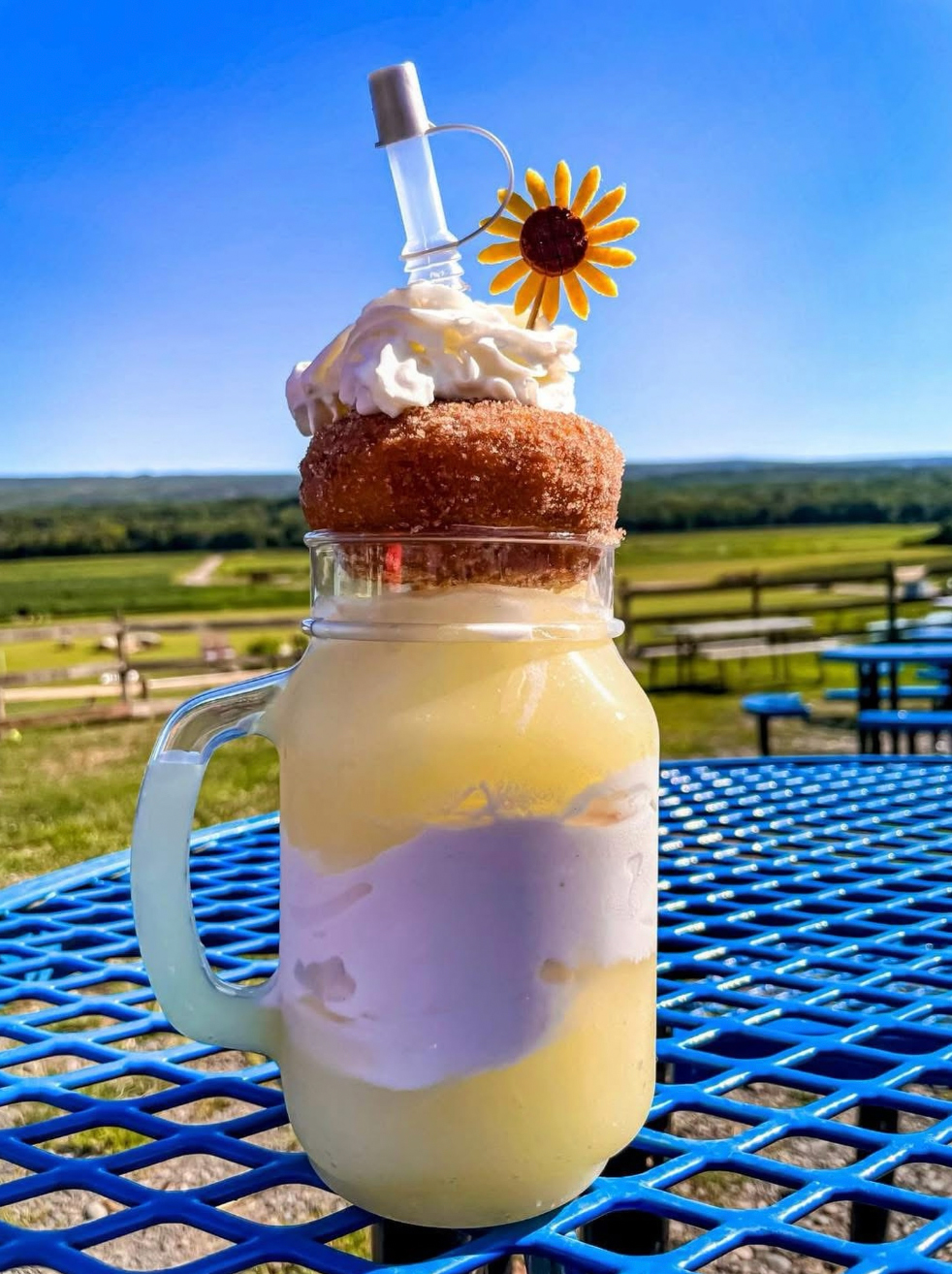


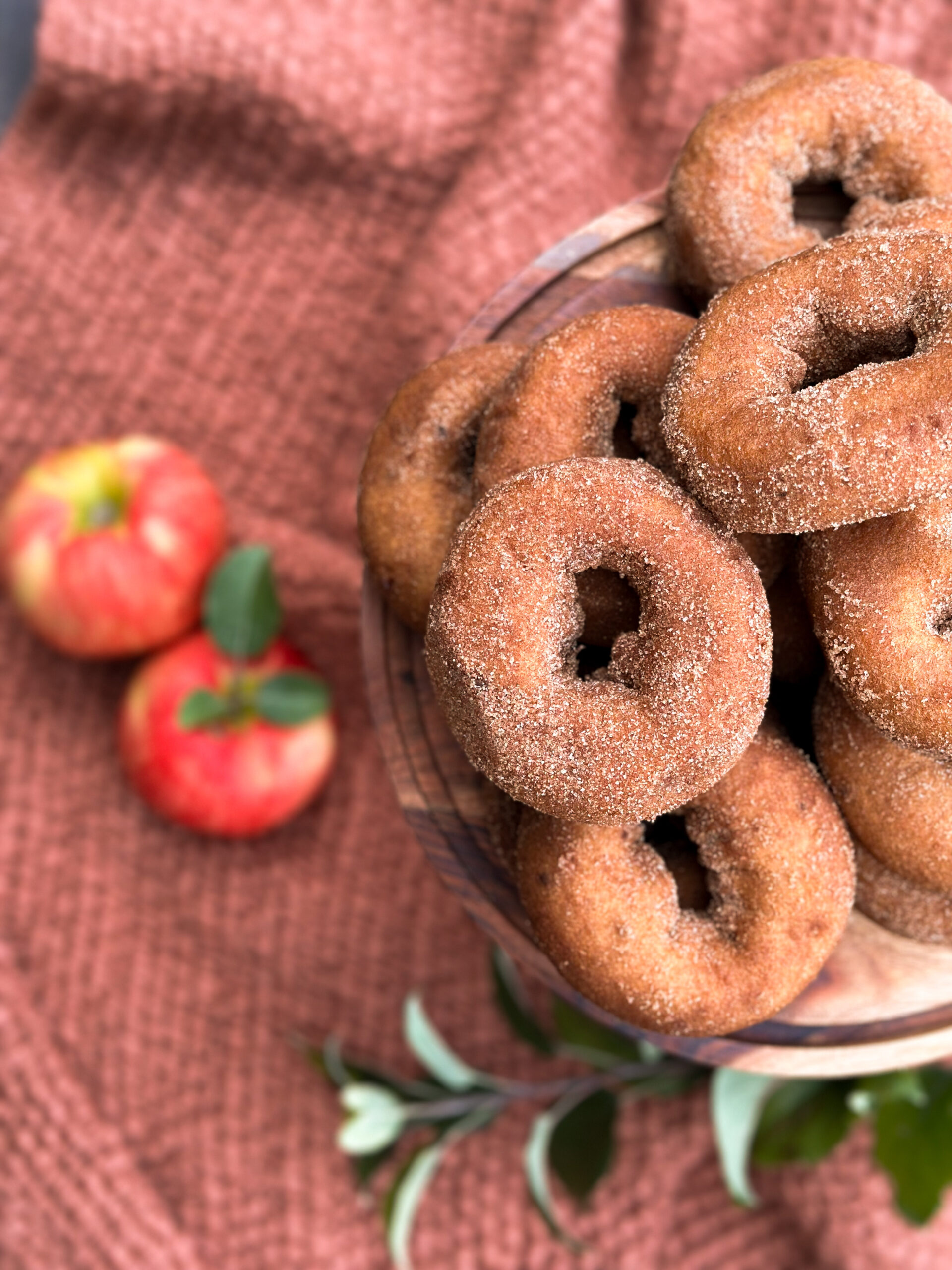
Cider and doughnuts are just as old, if not older, than apple pie. New York can lay claim to introducing doughnuts to North American shores via Dutch colonists, who brought fried balls of lightly sweet dough called oliekoecken along when they emigrated to New Netherland. Like their New England neighbors, the Dutch also brought apple trees and saplings with them.
Hard cider was the goal, but there was plenty of unfermented cider to go around at harvest time, which was about the same time hogs and other livestock were slaughtered before winter. Excess fresh lard or beef tallow made frying dough easy, and doughnuts became associated with autumn in New York and New England for that reason. The original doughnuts were yeast-leavened, but with the rise of chemical leaveners like baking soda in the 1830s, cake doughnuts began to appear. By the 1910’s, doughnuts and cider were the foods of choice for increasingly popular Halloween celebrations.
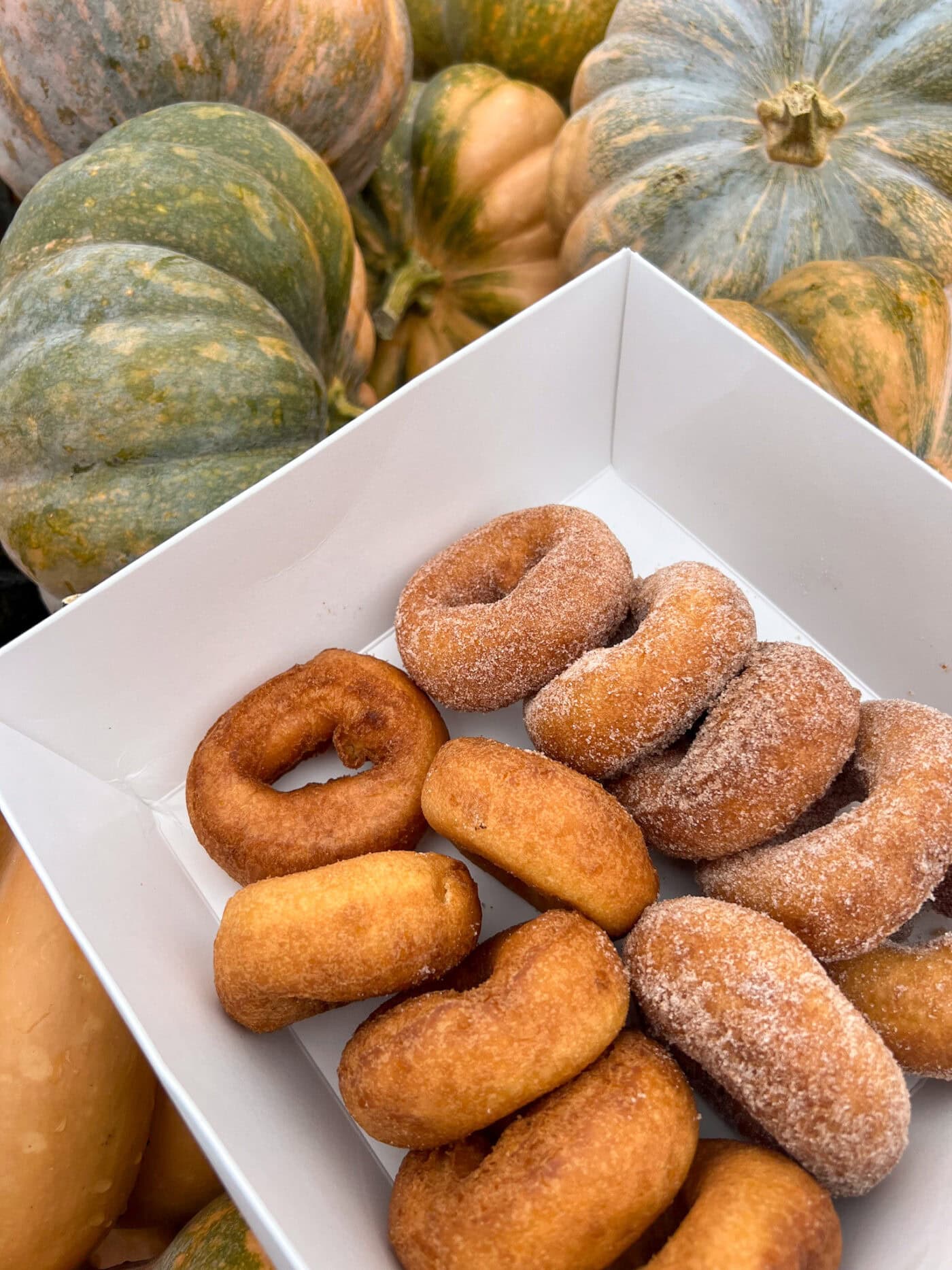
But while cider and doughnuts remained popular, nostalgic hallmarks of autumn well into the 20th century, the origins of the doughnuts that contain cider are much more recent.
Doughnuts were a homemade food for most of their history, but during World War I, Salvation Army “lassies” developed a popular frontline recipe for doughnuts. Returning veterans helped drive demand for commercially available doughnuts.
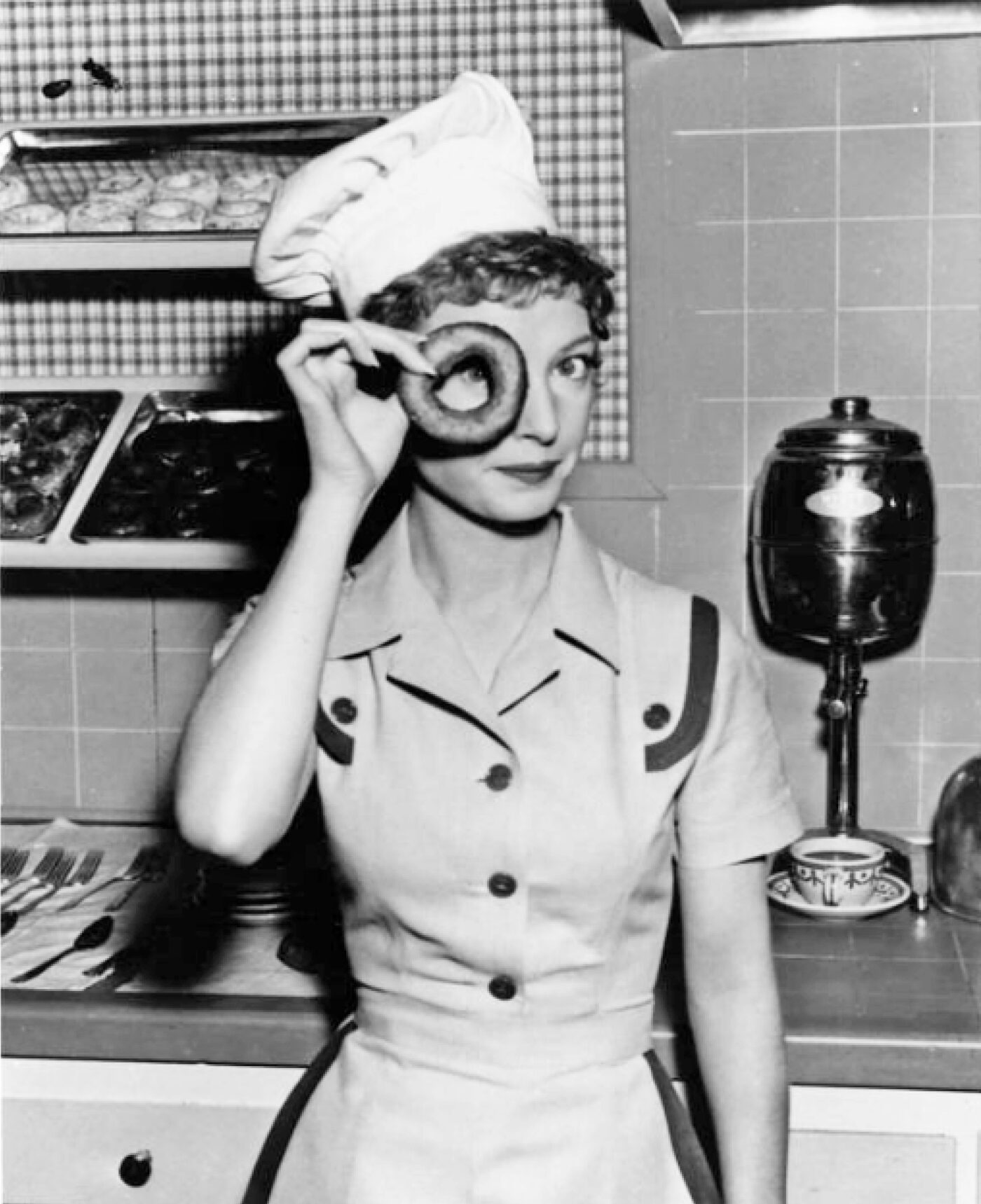
Enter entrepreneur Adolph Levitt. A Bulgarian immigrant who arrived in America in 1890 at age 8, he settled in Milwaukee with his parents, ultimately managing a department store by the age of 30. Unhappy in his work, he decided to take his chances in New York City, and operated a string of unsuccessful businesses before hitting upon what would become his career: doughnuts.
Although Levitt made a great doughnut, he hated the tedium of frying small batches. With assistance from engineers, in 1920 he developed the “automatic doughnut machine” and founded the Doughnut Machine Corporation. With commercial machinery that would cut and fry doughnuts by the dozens, the Doughnut Machine Corporation quickly expanded into making commercial mixes, including for waffles and yes, doughnuts. In 1929, they built on the popularity of a “doughnut week” promotional idea and expanded it to National Doughnut Month — October, to coincide with Halloween, the doughnut’s favorite holiday.
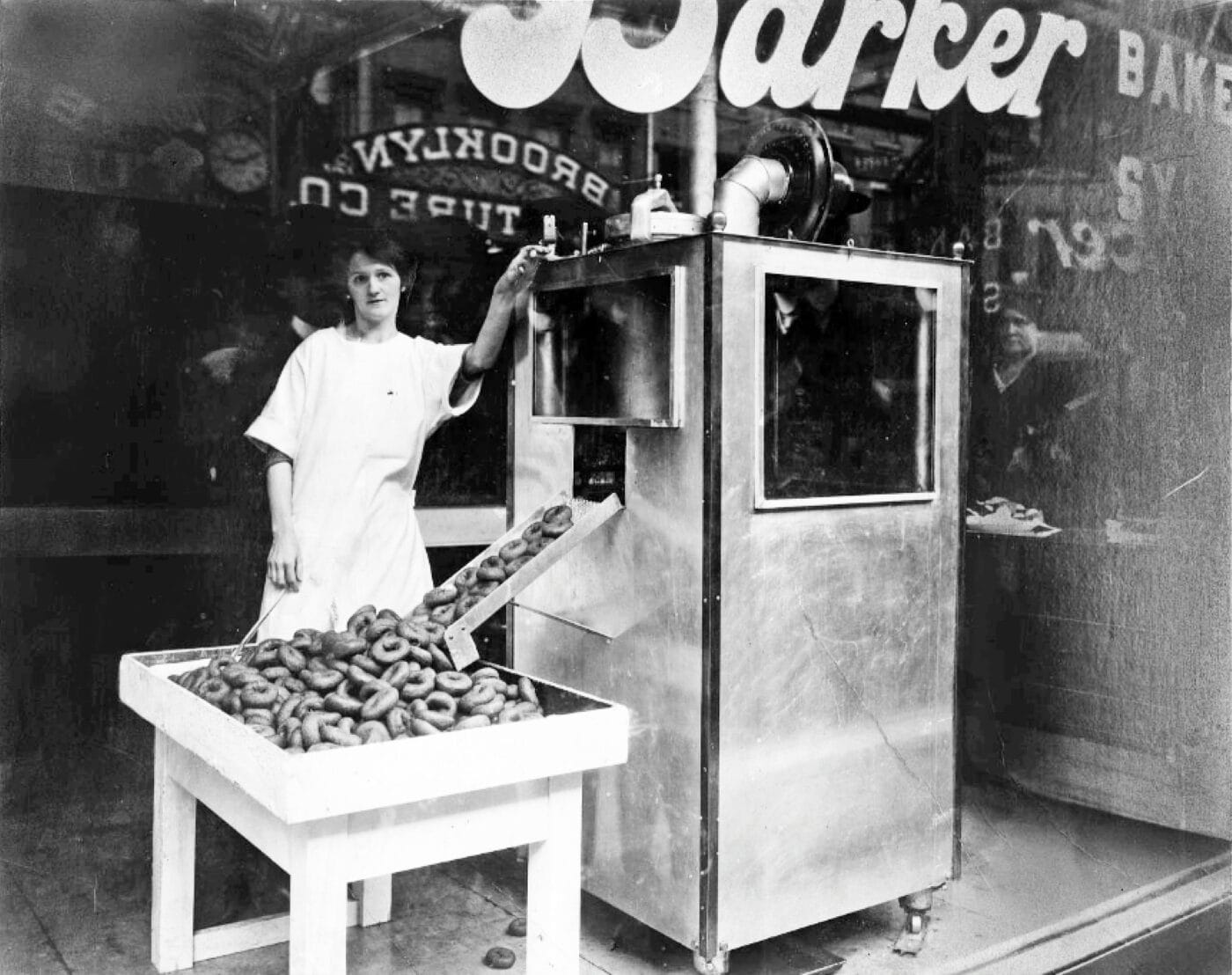
At the same time, New York’s orchards were becoming tourist destinations. The Great Depression had left many farmers unable to hire farmhands, so some orchards had the bright idea to let people pick their own. Orchards became desirable places to visit for an increasingly urban society, and nostalgic treats like doughnuts were a logical way to add value to apple sales.
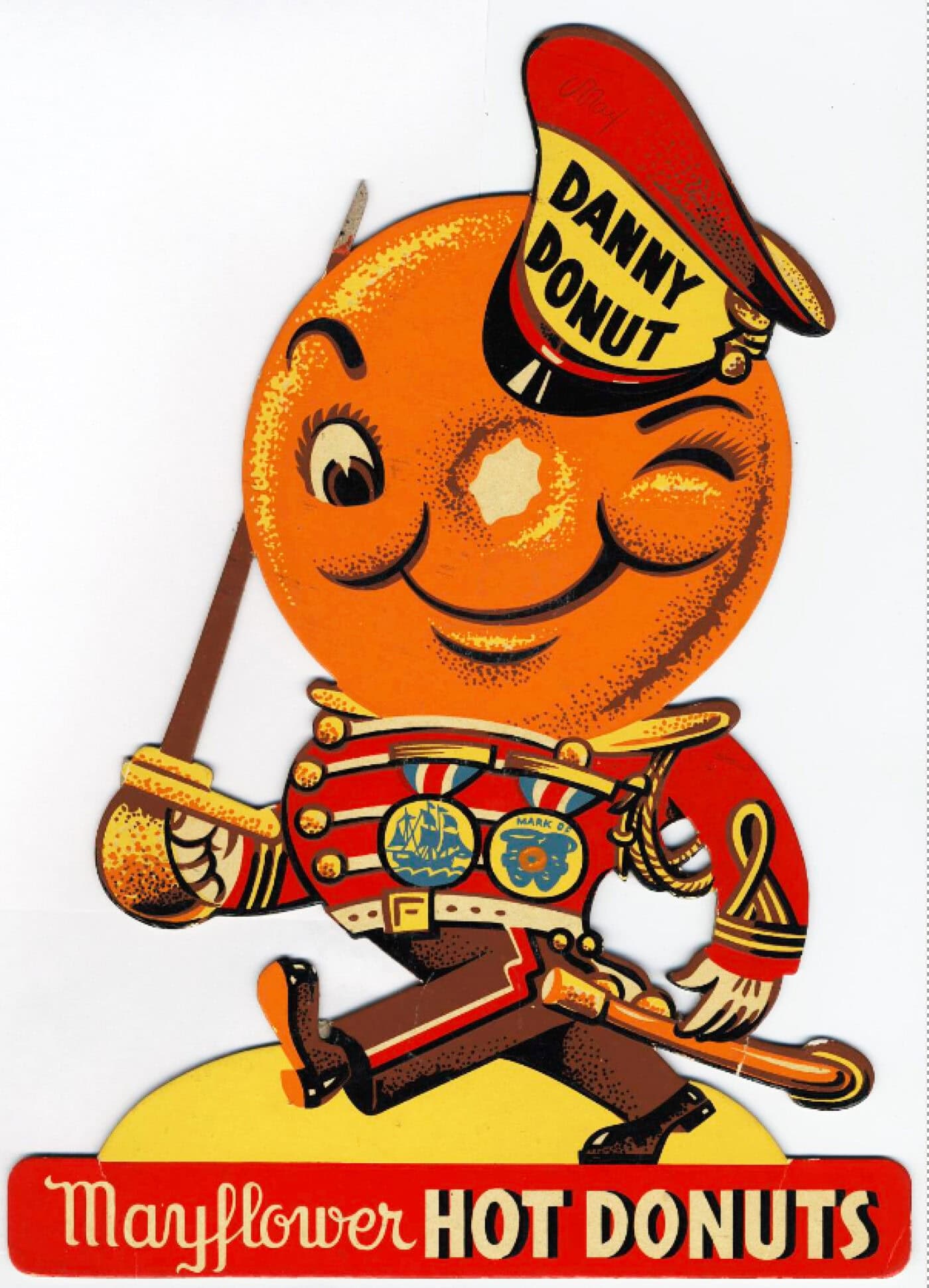
In 1951, what became known as the Doughnut Corporation of America — and had expanded into retail with Mayflower Coffee Shops and Downyflake Donuts franchises — offered a new mix: Sweet Cider Donuts, announced by the New York Times on Aug. 18, 1951. The Brooklyn Eagle covered the announcement on Oct. 25, 1951, noting “now, for the first time, the true flavor of cider has been captured in a food that of itself has always been a number one year-round favorite: Donuts!”
The article continued, “Yes, Sweet Cider Donuts have been perfected after 18 months of research and experimentation and, effective since Oct. 1, they are available in stores from coast to coast.” Coverage of the new type of doughnut appeared in newspapers from New York to California. Whether the Doughnut Machine Corporation was the first to “invent” the cider doughnut is unclear, but they were certainly the first to put the idea in print. Adolph Leavitt died just two years later in 1953, and his New York Times obituary called him the “Doughnut King of America.”
A commercial mix adopted by bakers across the country to sell more product is not exactly the homemade nostalgia we associate with cider doughnuts and apple orchards today. But whether or not they were using the Doughnut Machine Corporation’s mixes or machines, by the 1970s the concept began to be adopted (and advertised) by New York’s orchards. Over the past five decades, the cider doughnut became integral to the fall apple harvest and pick-your-own-bushel experience. Today these seasonal doughnuts serve as bases for sundaes or bread pudding, garnish milkshakes or cocktails, and sandwich everything from burgers to ice cream.