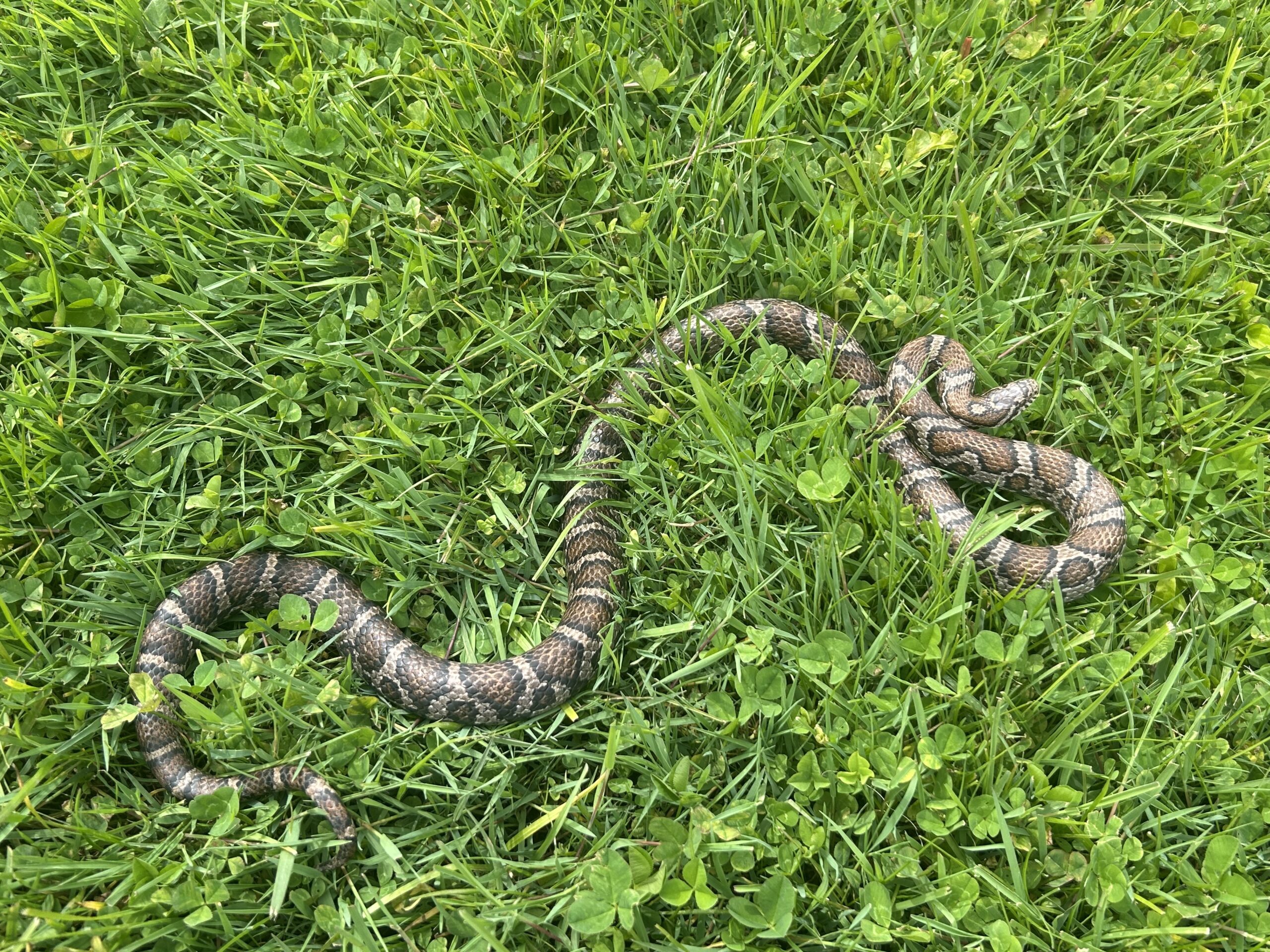


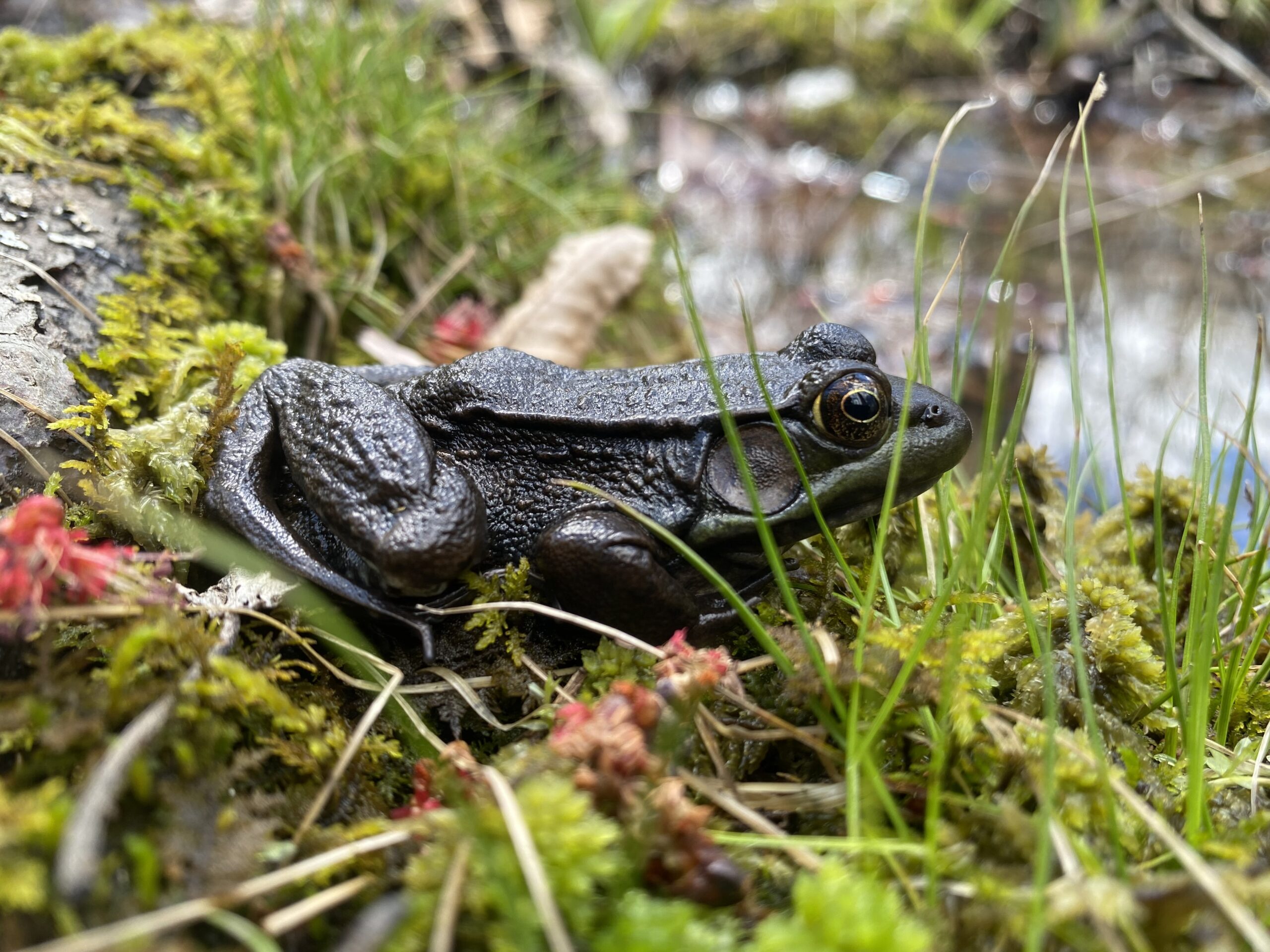
Many people find enjoyment in the outdoors through birding, which draws their eyes to the trees and sky in search of wildlife. But for those more curious about what lurks below in the muddy waters and brush, there is a niche alternative called “herping.”
“Herping — broadly, I think — is just a way of appreciating nature or your environment by looking for reptiles and amphibians,” says Eric Teitsworth, a wildlife ecologist in the Hudson Valley with a special interest in freshwater ecosystems and herpetology, the study of reptiles and amphibians. “So salamanders, frogs, snakes, turtles, lizards — that whole group.” These are also known as “herps.”
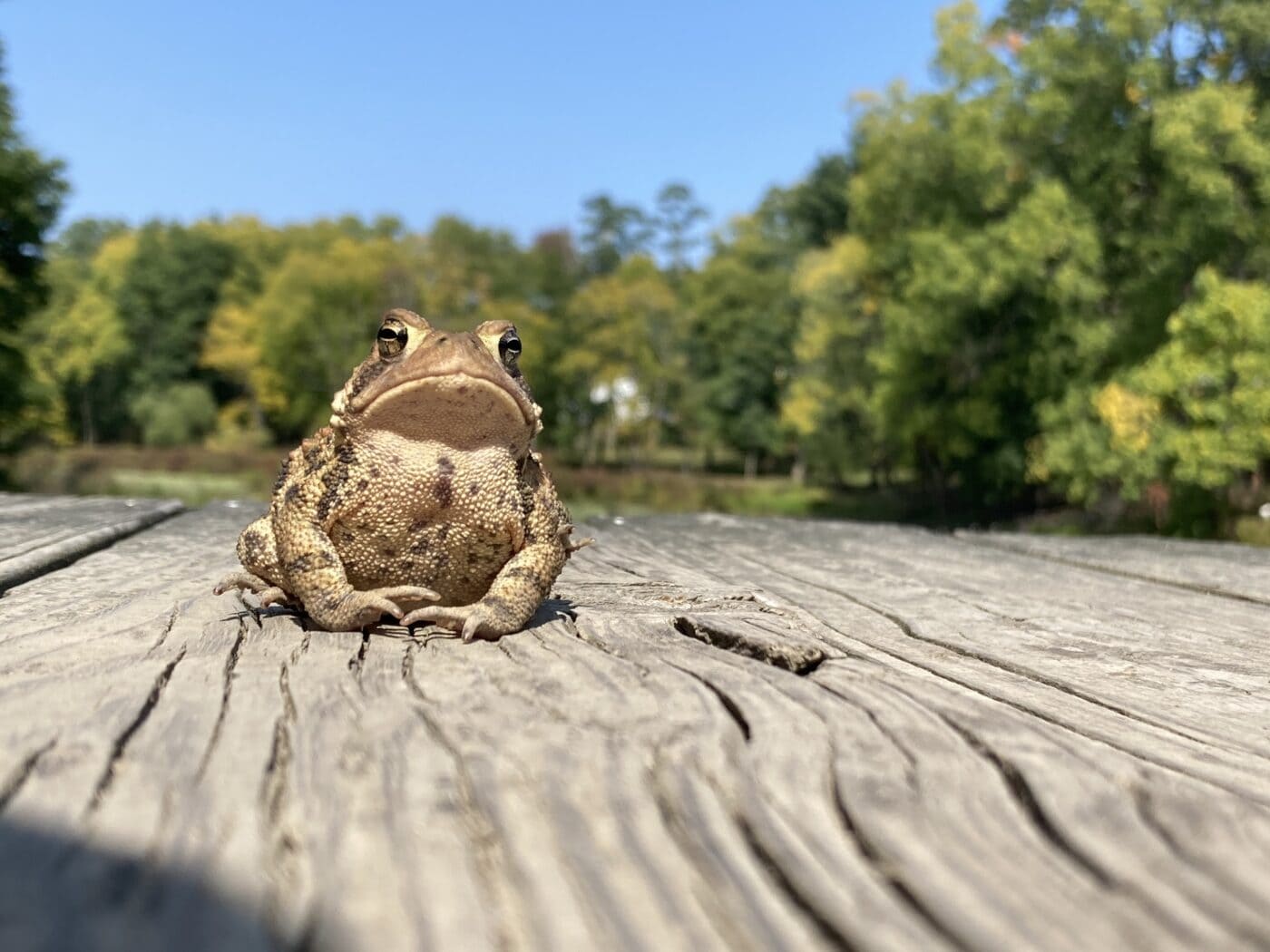
As a formal branch of zoology, herpetology has been around for at least a couple centuries. But as an informal hobby, “herping” is a more recent thing, with growing interest in recent decades thanks to curiosity spilling over from the exotic pet trade, then TV personalities, and now social media. In fact, more than 28,000 members can be found in the North American Field Herping Association Facebook group. But thanks in part to technology and awareness, herping today is being shaped by more ethical practices than in years past.
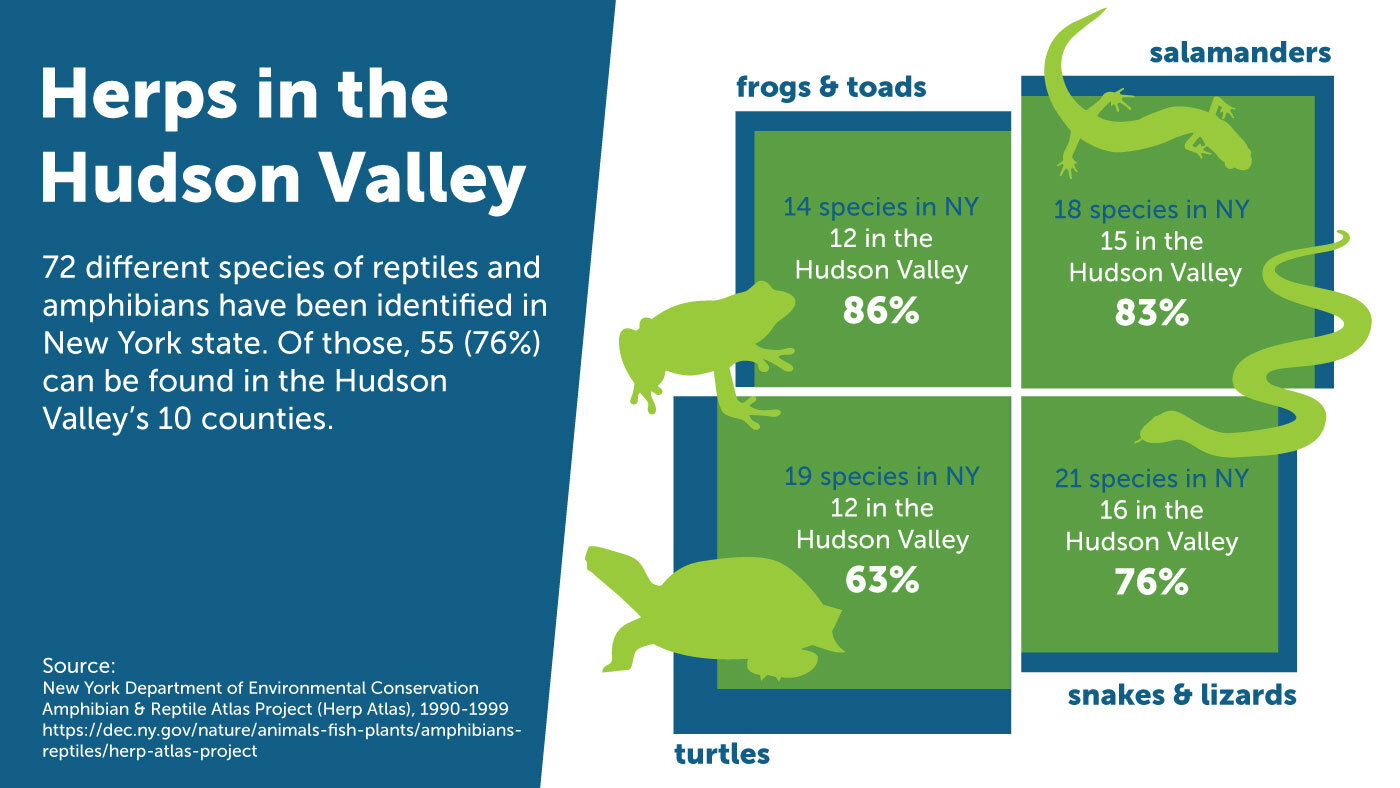
As a biodiversity hotspot, the Hudson Valley is a great place for herping. The New York State Department of Environmental Conservation did a wildlife survey known as the Herp Atlas in the 1990s, and found 72 different species of reptiles and amphibians in the state. Of these, about 55 species, or 76%, could be found in the Hudson Valley.
To add more recent data to such efforts, some herpers are using mobile apps like HerpMapper to log the locations of reptiles and amphibians they find. HerpMapper also allows wildlife managers and researchers to access that data to help with their work, while keeping the exact locations hidden from public view for the safety of the wildlife.
“I like those apps because they try to gamify looking for herps but they do it for people that are already interested in looking for animals,” says Teitsworth, noting that this community science aspect can especially be helpful in gathering data on the more elusive species. “A lot of frogs are easy to detect because they’re abundant and they call,” he says. “But a lot of other herps are really challenging.”
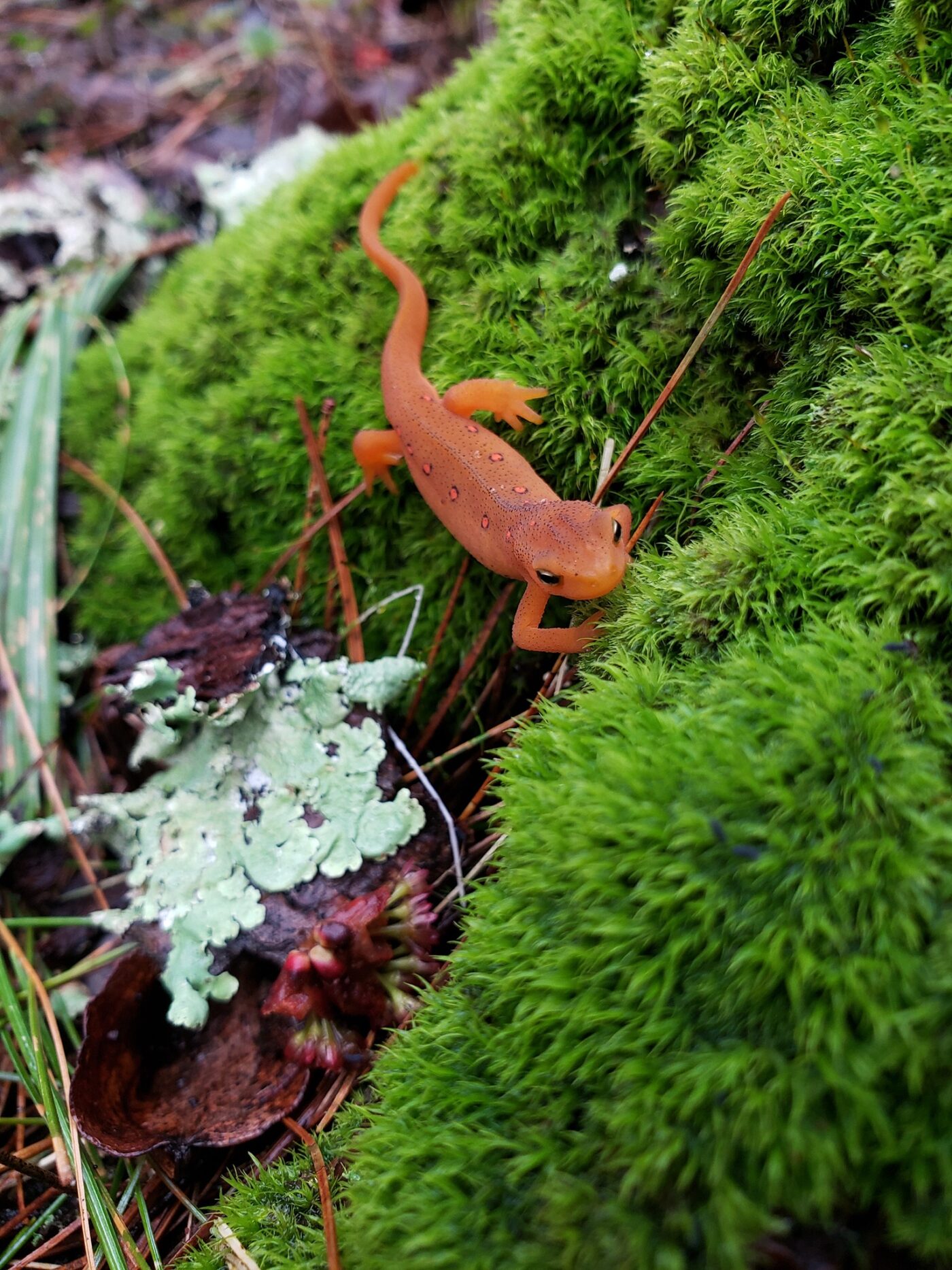
For those who hear the call to go herping, know that it comes with great responsibility. With about 20% of all reptiles and 40% of amphibians considered threatened due to things like habitat loss and climate change, it’s important to remember that this group of animals is already extremely at risk. So, to avoid further risk to herps, their habitats, and us humans too, here are a few things to know.
Three Keys to Ethical Herping
First, capturing or handling reptiles and amphibians found in the wild is discouraged for many reasons. Even if not poisonous, some herps can still carry Salmonella and other bacteria harmful to humans. And if your hands touch more than one animal, you risk spreading an array of other harmful pathogens between animals. Some species have already gone extinct in the wild due to the spread of diseases, and the risk of a new disease spreading is always a possibility. Plus, amphibians have especially permeable skin that makes them sensitive to things that we might have on our skin, like lotion, sunscreen, or insect repellant. But most certainly, chasing down and catching herps will put them in an unnecessary panic, and could injure them in the process.
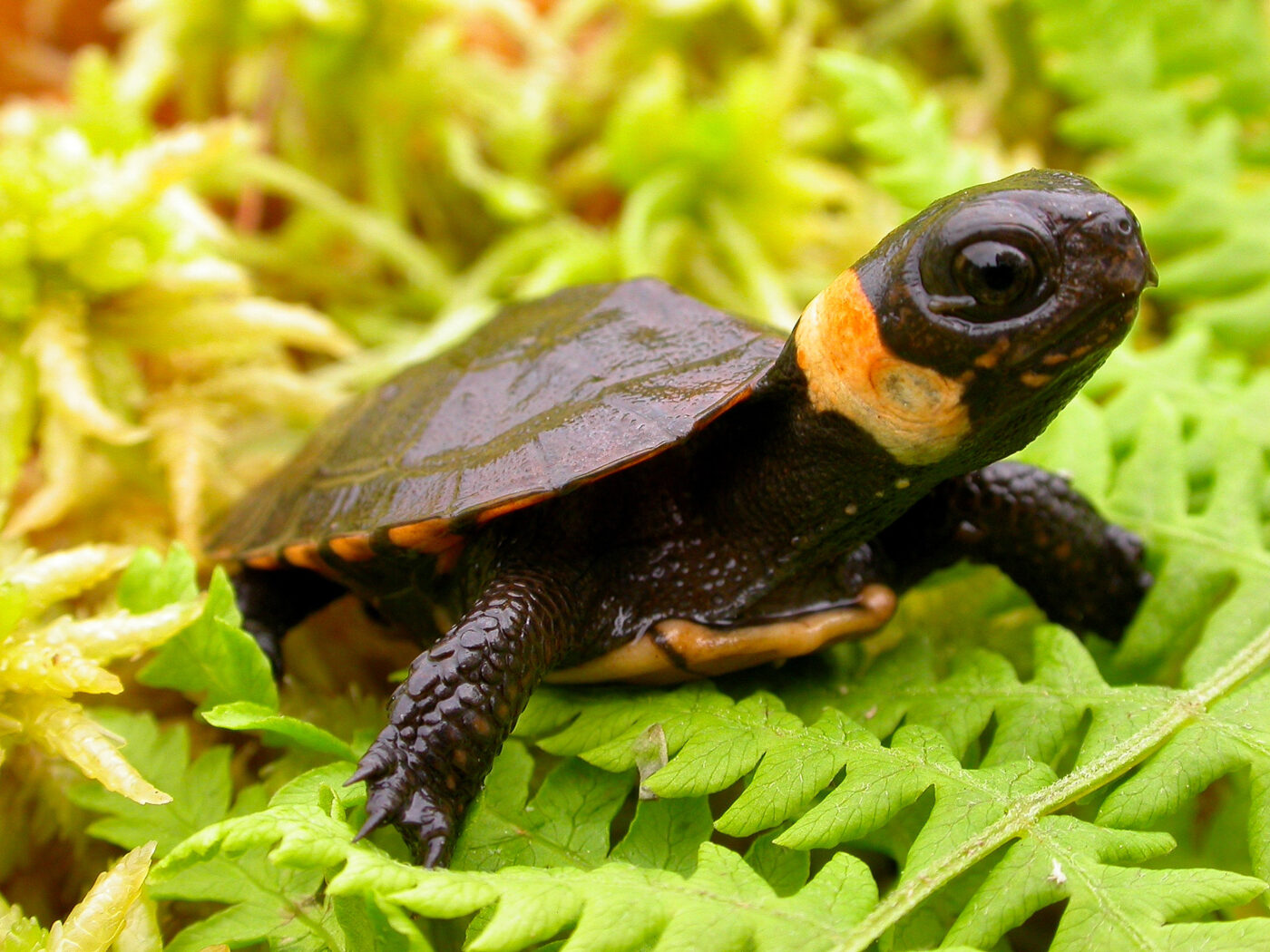
Second, herping should never be done with the intent to remove herps from the wild to keep as pets. Poaching, at any level, is a real threat to herps, and many native species are legally protected. Many Hudson Valley herp species are slow to reproduce and already face a host of challenges, so removing even a single individual from the wild can really impact the population. For this reason, responsible herpers will be very careful not to reveal the locations of their finds. This adds a challenge to the hobby that keeps it interesting and keeps it safe for the herps.
And third, every effort should be made to not disturb the habitat. The practice of flipping over logs and such to find herps is increasingly discouraged because of the stress this causes to a potentially sensitive or rare species. And as with handling multiple herps, venturing from one pond to another, for instance, risks the transfer of fungal or viral pathogens between habitats that can take out entire populations. For this reason, biologists and other professionals take care to disinfect boots with bleach solution (and then carefully rinse that solution off) when moving from one location to the next.
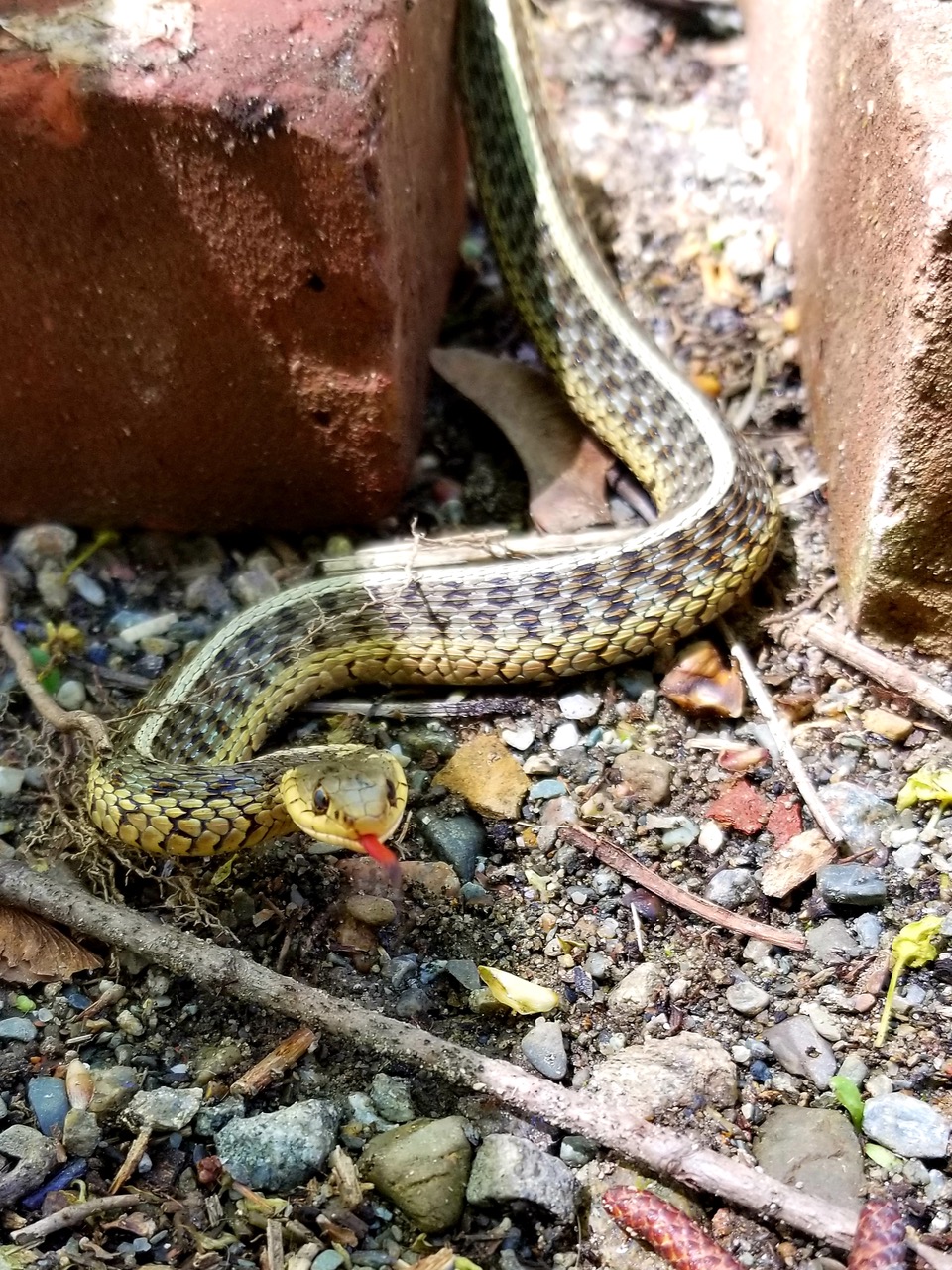
There are many other ways to herp responsibly and appreciate our state’s reptiles and amphibians, says Melissa Fadden, a licensed wildlife rehabilitator with a special interest in reptiles and amphibians who works for the Cornell Wildlife Health Lab. “One of the best parts of herping is learning the natural history of each species,” she says. “You can then use this knowledge to determine the most responsible way to ‘target’ your animal.”
For instance, some salamanders make their presence known when they embark on breeding migrations in early spring at certain locations. And in some cases, community science programs like amphibian “Big Night” events allow the public to take part in the natural cycle while making sure the animals are safe. Herping and community science programs can help engage people with the wildlife around them — essential for building support for conservation that helps address threats to herps like habitat loss and climate change.
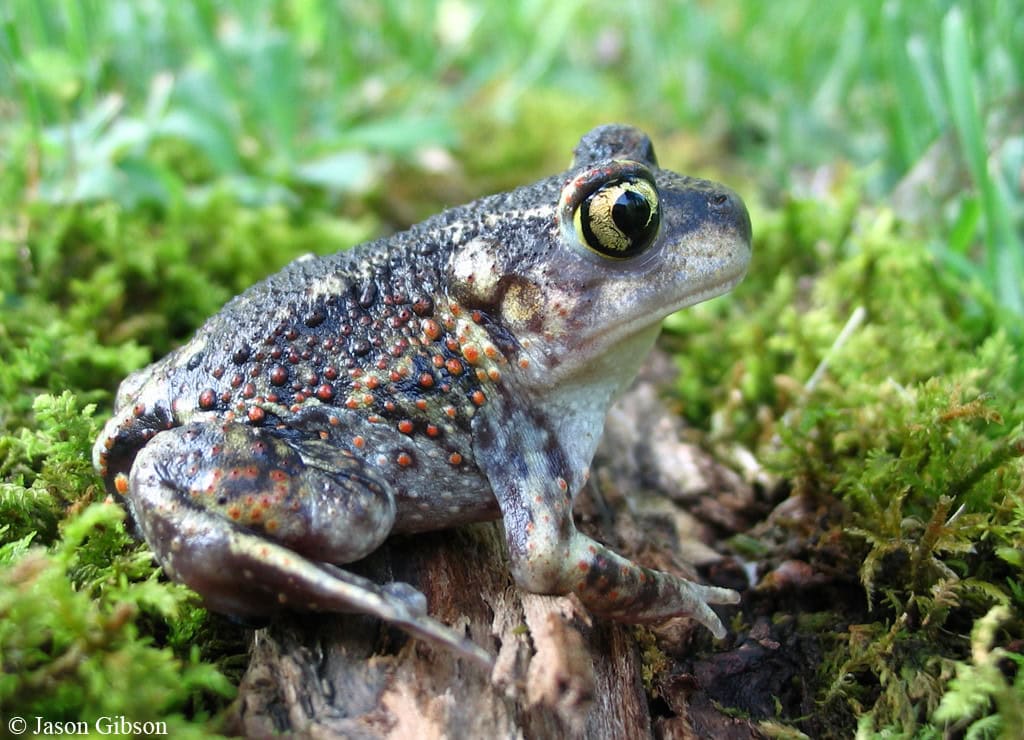
And instead of catching or handling herps found in the wild, Fadden says many in the herping community prefer to capture photos of them living their best life in their natural habitat. “With everything on display on social media, the hobby has been increasingly self-regulating — any questionable actors or habits will be called out,” she says. “Also from the hobbyist perspective, there has been a definite shift from in-hand to in-situ photography, which is logical since it produces not only significantly less impact to the animal, but also more representative photos.”
And so, with a bit of knowledge and patience, herping can be done in a way that is enjoyable to the hobbyist without putting the herps they love at risk. “Always recognize and remember that these are wild animals that we are talking about, and sensitive, often declining ones facing many (mostly anthropogenic) perils. They are not accustomed to human presence, nor do we want them to be,” Fadden says. “Love them for what they are, and love them from afar.”