


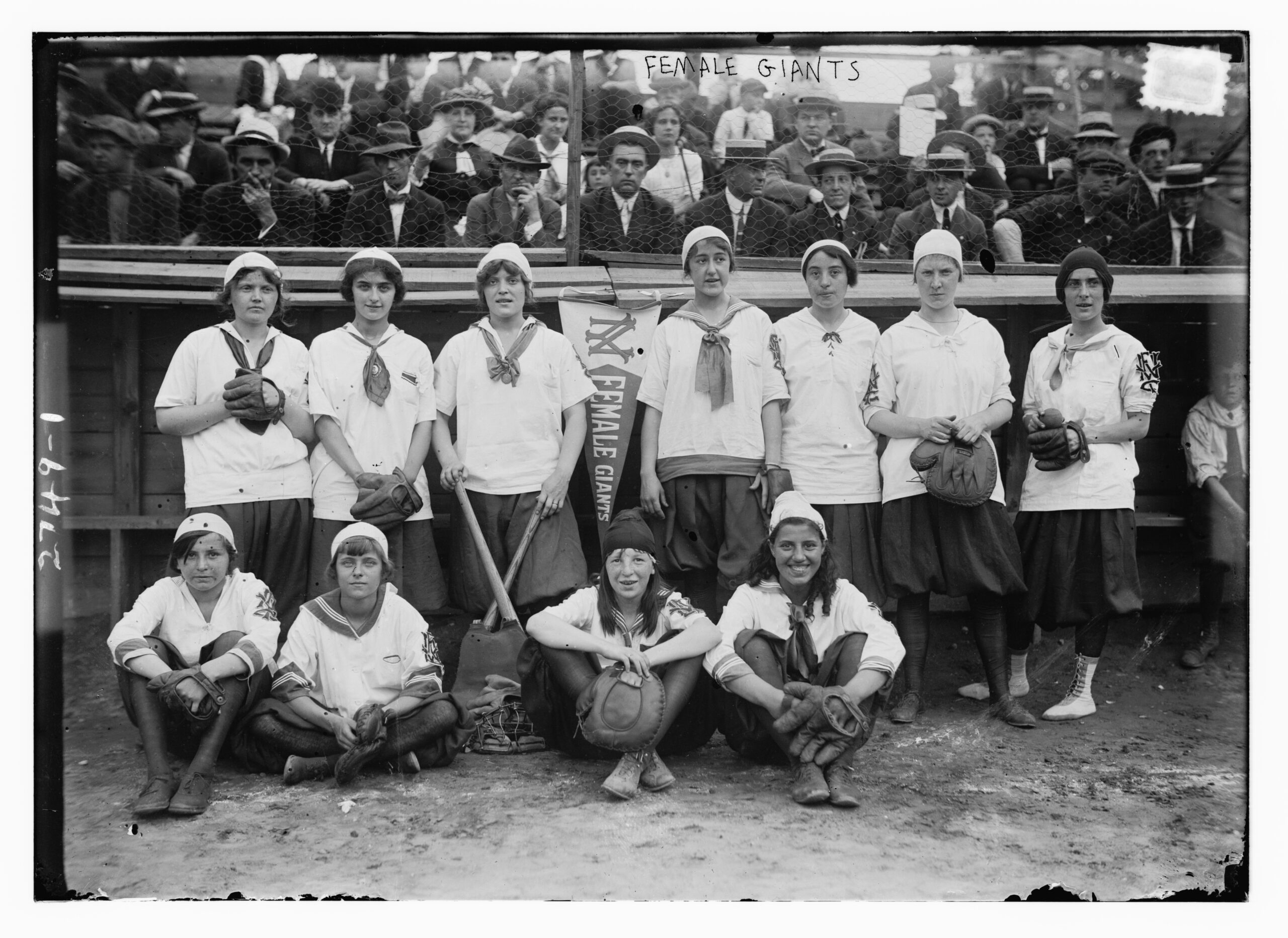
By the 1830s, an early form of baseball had woven itself into the fabric of American life, especially along the East Coast. Baseball was increasingly played in schoolyards and at community events, and as it grew popular and began to professionalize, perceptions about who should play baseball started to shift. Yet Victorian ideals of femininity dictated that women refrain from competitive sports and instead focus on more genteel activities, such as badminton and croquet.
When Vassar College in Poughkeepsie opened its doors 1865, the all-female student body was required to spend an hour daily in outdoor exercise. Students chose a variety of activities, from boating and bowling to competitive sports like baseball. Between 1866 and 1867, three women’s club teams organized on campus — the Laurels, the Abenakis, and the Precocious — and are believed to be the first organized all-female club teams in the country.
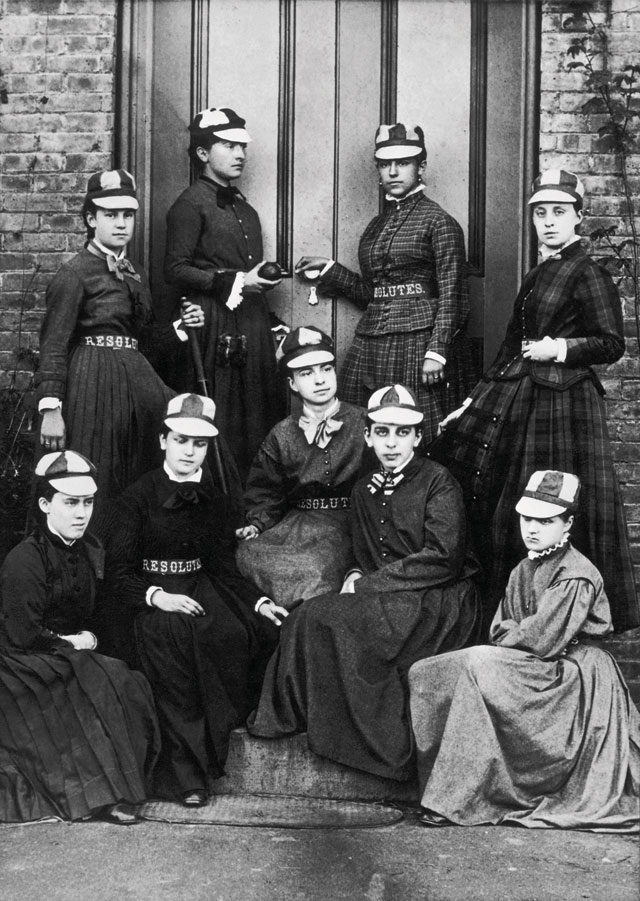
The young women would play on teams of eight, in high-necked dresses with long wool skirts, and undergarments weighing nearly 30 pounds. Student vs. faculty competitions were popular, and baseball-throwing contests were part of the annual Field Day. Still, games were mostly played out of view in the sheltered Athletic Circle.
By the 1890s, female baseball clubs became more common nationwide, despite public opinion that the sport was too strenuous for women. The Hudson Valley was no exception, with women’s clubs forming in towns like Kingston, Nyack, and Pelham Manor, and “Bloomer Girl” exhibition teams in New York City, Kansas City, and Boston.
The name “Bloomer Girl” was initially used to describe the young women who would ride bicycles in the loose pants invented by Amelia Jenks Bloomer in the 1850s, but was adopted by the new barnstorming baseball teams that played exhibition games around the country against amateur or semi-professional men’s teams. Early Bloomer Girl teams usually included at least one male team member, who would serve as catcher or pitcher, and who would sometimes play dressed in a wig or a skirt.
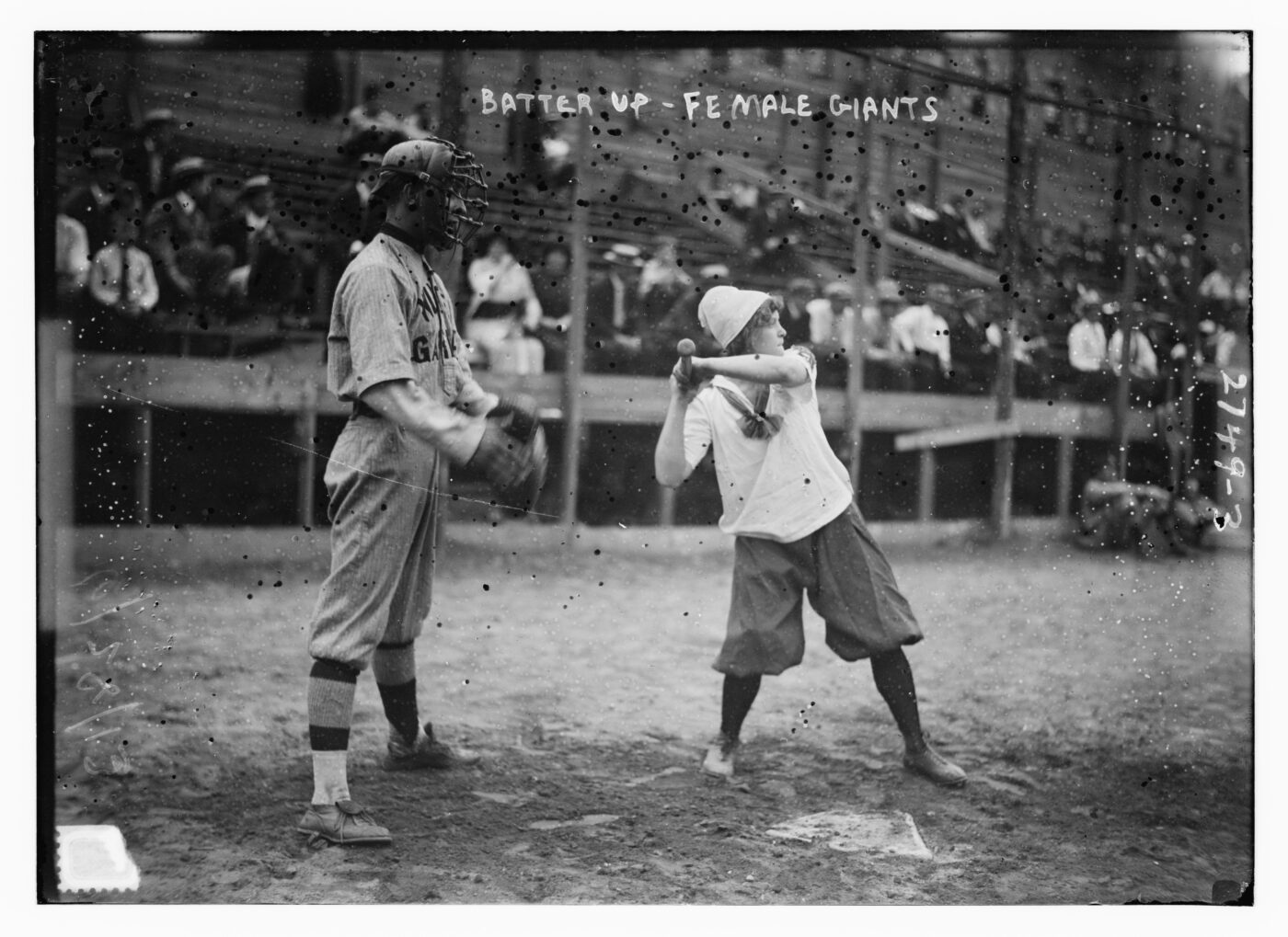
The New York Bloomer Girls, comprised of young women from the five boroughs, would travel to the Hudson Valley to challenge men’s amateur and semi-professional teams in Rhinebeck, Millbrook, Newburgh, and Kingston. Ella Stanton, a 16-year-old Poughkeepsie athlete, frequently played on local men’s teams when they matched up against the New York Bloomer Girls and was later recruited to play for the Chicago Bloomer Girls.
World War I brought increased attention to women’s baseball in America, as female collegiate teams entertained a baseball-hungry public while young men were at war. A 1917 article in Vassar College’s The Miscellany News highlighted the effort to keep the game alive on college campuses: “Spring training grounds have become preparedness camps and men’s colleges have given up their seasons entirely. But we are here and exercise slips must be filled out. Why not a regular baseball season?”
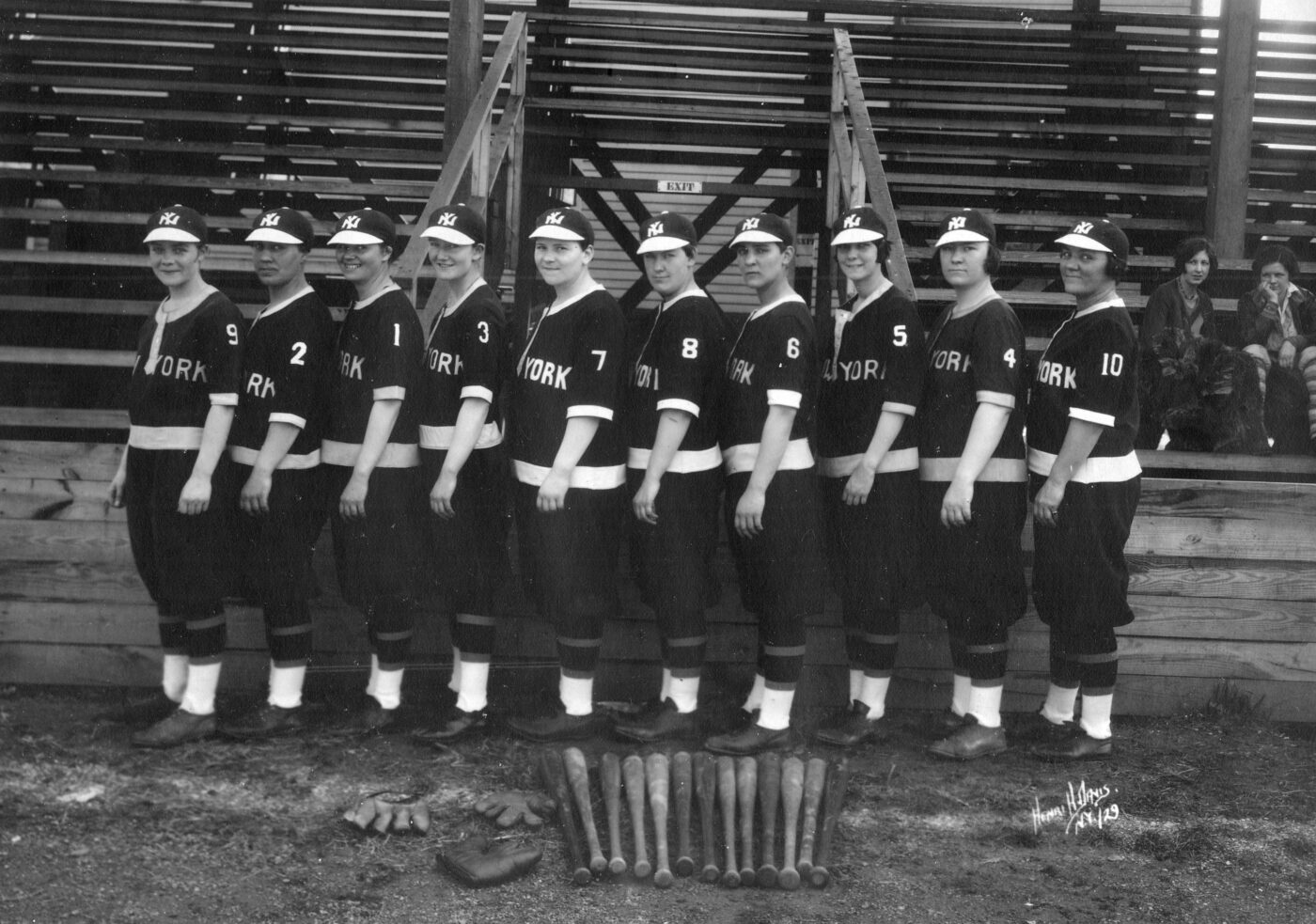
Women’s baseball came into the spotlight again during World War II, as more than 500 male Major League and 4,000 Minor League players left baseball for military service. President Franklin D. Roosevelt urged the country to continue attending baseball games to boost morale, but the shortage of men left the sport’s future uncertain. In response, Chicago Cubs owner Phil Wrigley chartered a nonprofit organization in February of 1943 that became the All-American Girls Professional Baseball League.
Originally conceived as a softball league, the group (later immortalized in the modern-classic film “A League of Their Own”) quickly adopted a fast-pitch softball/baseball hybrid style. Sixty women from across North America made history as the first members of four all-female professional baseball teams. Players were expected to wear dresses with satin shorts and makeup during the games, attend etiquette classes, and appear publicly in “feminine attire.” Smoking, drinking, and cursing were strictly prohibited. (The league eventually expanded to 12 teams but remained segregated, preventing Black women from trying out.)
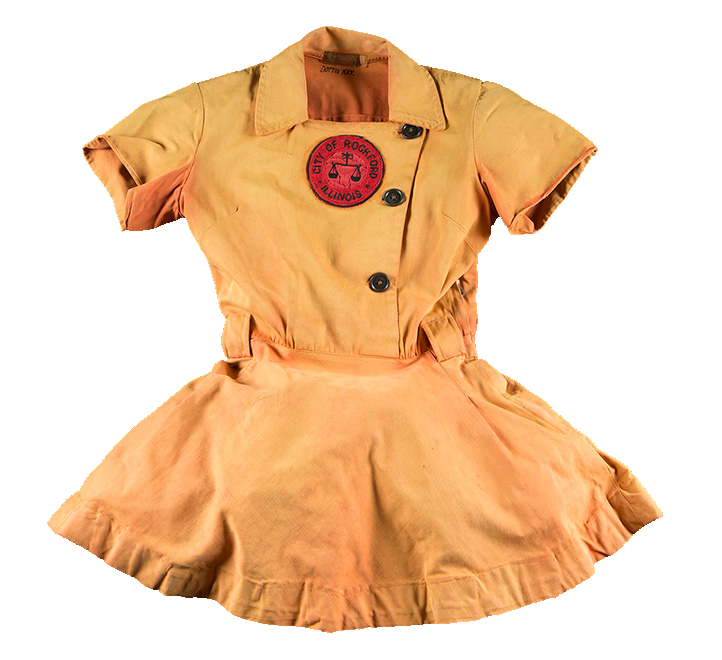
Though the league’s games were played in the Midwest, players were recruited from all over the United States and Canada, including three women from the Hudson Valley.
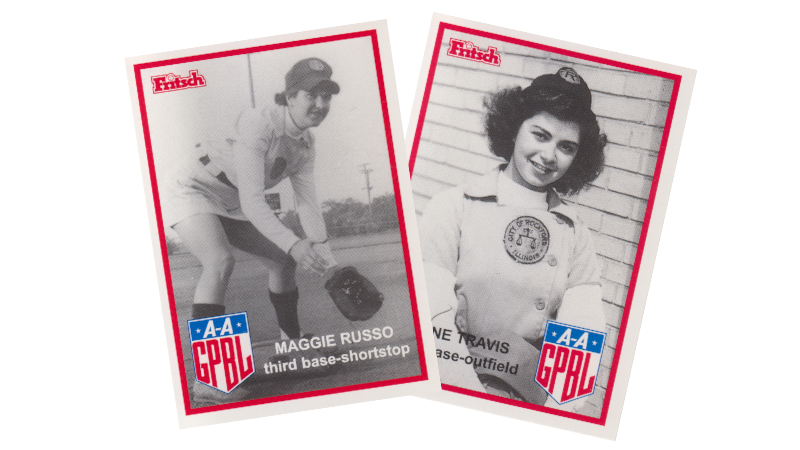
Mount Vernon native Genevieve “Gene” Travis, an ambidextrous thrower who also covered first base, played for the Rockford (IL) Peaches during the 1948 season. Columbia County’s Lillian “Pete” Shadic was noticed by a scout while playing right field for the Roeliff Jansen Central School boys’ baseball team and joined the Springfield (IL) Sallies in 1949. Margaret “Maggie” Russo, from the Ulster County hamlet of Milton, played third base and shortstop for several teams over five seasons and was a member of the 1954 All-Star Team. The league remained popular after the war but ultimately disbanded in 1954 after twelve seasons.
More than 70 years after the dissolution of the All-American Girls Professional Baseball League, women’s professional baseball is making a historic return. In the summer of 2026, the Women’s Professional Baseball League is opening its inaugural season in Springfield, Ill., with teams representing New York, Boston, Los Angeles, and San Francisco. The New York Heights are named after Dorothy Height, an influential leader in the civil and women’s rights movements.
The Hudson Valley’s influence on the game continues as two players, Mary Grace O’Neill of Pleasantville and Meaghan Houk of Ravena, bring their skills to the Boston team. They will play alongside elite players from around the world, ensuring that the region will once again contribute to the evolution of America’s favorite pastime.