

This year, across the nation, there are many celebrations for the 250th anniversary of the Declaration of Independence. Less well known is that 2026 also marks the anniversary of Ann Lee’s 1776 journey with a small group of followers from New York City up the Hudson River to a settlement in Watervliet, near Albany. Also known as Mother Lee, she was the founder of The United Society of Believers in Christ’s Second Appearing, more commonly known as the Shakers, a religious sect that originated in England and expanded from upstate New York and the Hudson Valley to the rest of the country in the 19th century.
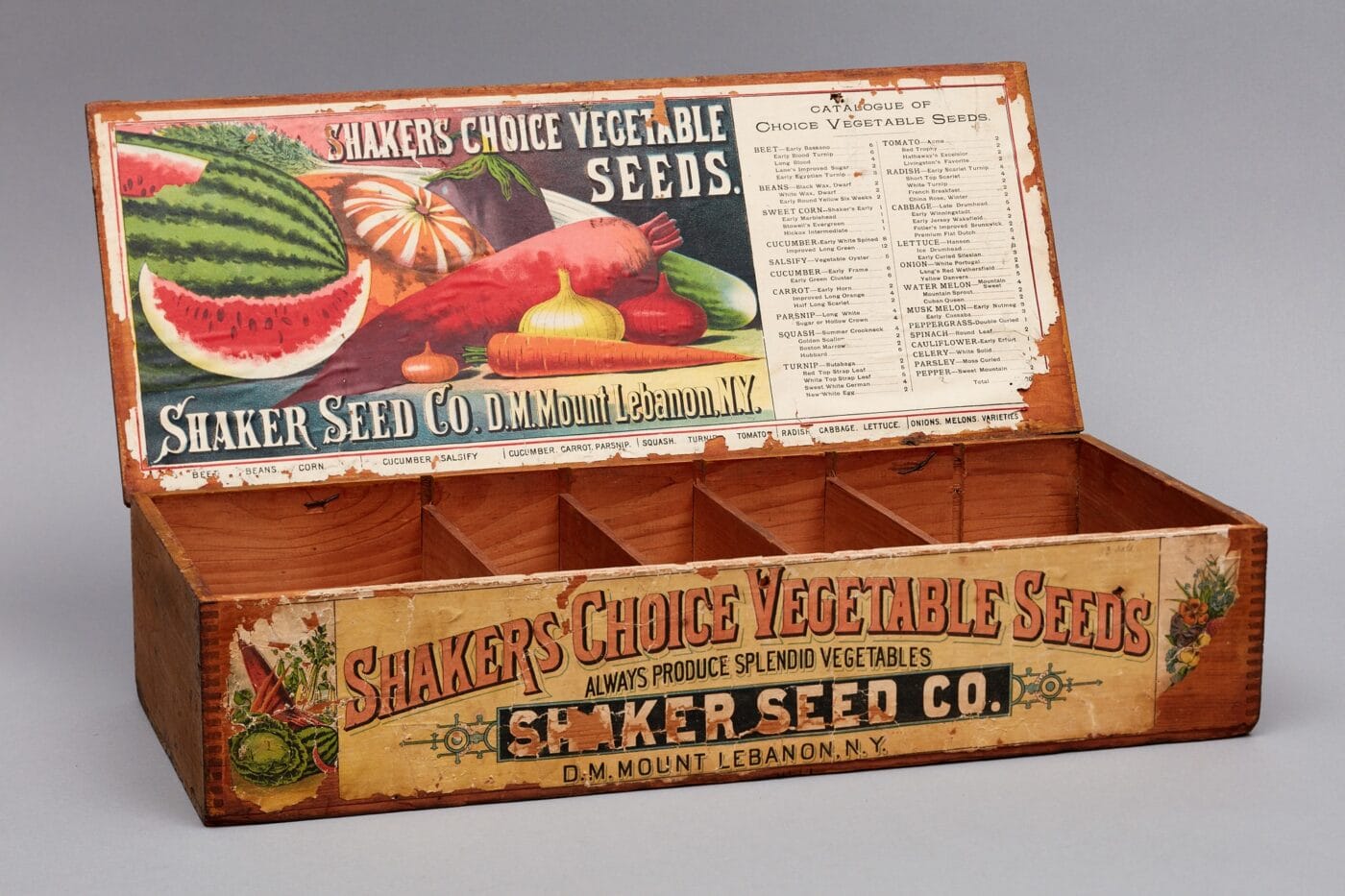
The Shakers are mostly known for their well-made furniture and hyper-strict celibacy vows. But there is more to their community and beliefs. Ann Lee preached that God’s nature was dual, both male and female. Her followers lived communally and practiced social and gender equality about 75 years before emancipation, and 150 years before the 19th Amendment. Although sometimes grouped with the Amish, the Shakers embraced technology and innovation, especially in medicine and food production. Seed packets were among their fresh ideas.
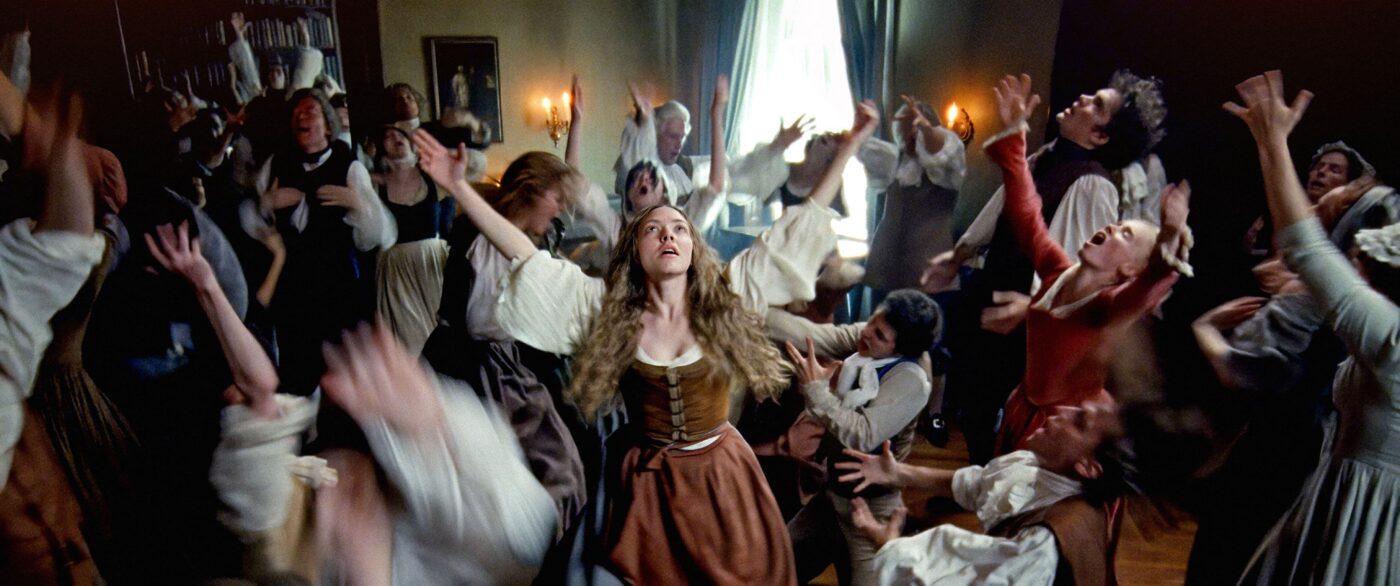
In 2026, some of the fresh interest in the sect comes from the new movie The Testament of Ann Lee. The critically acclaimed film depicts the story of the Shakers’ founder and stars actress Amanda Seyfried (who also happens to live in the Hudson Valley, in a stone farmhouse in Ulster County).
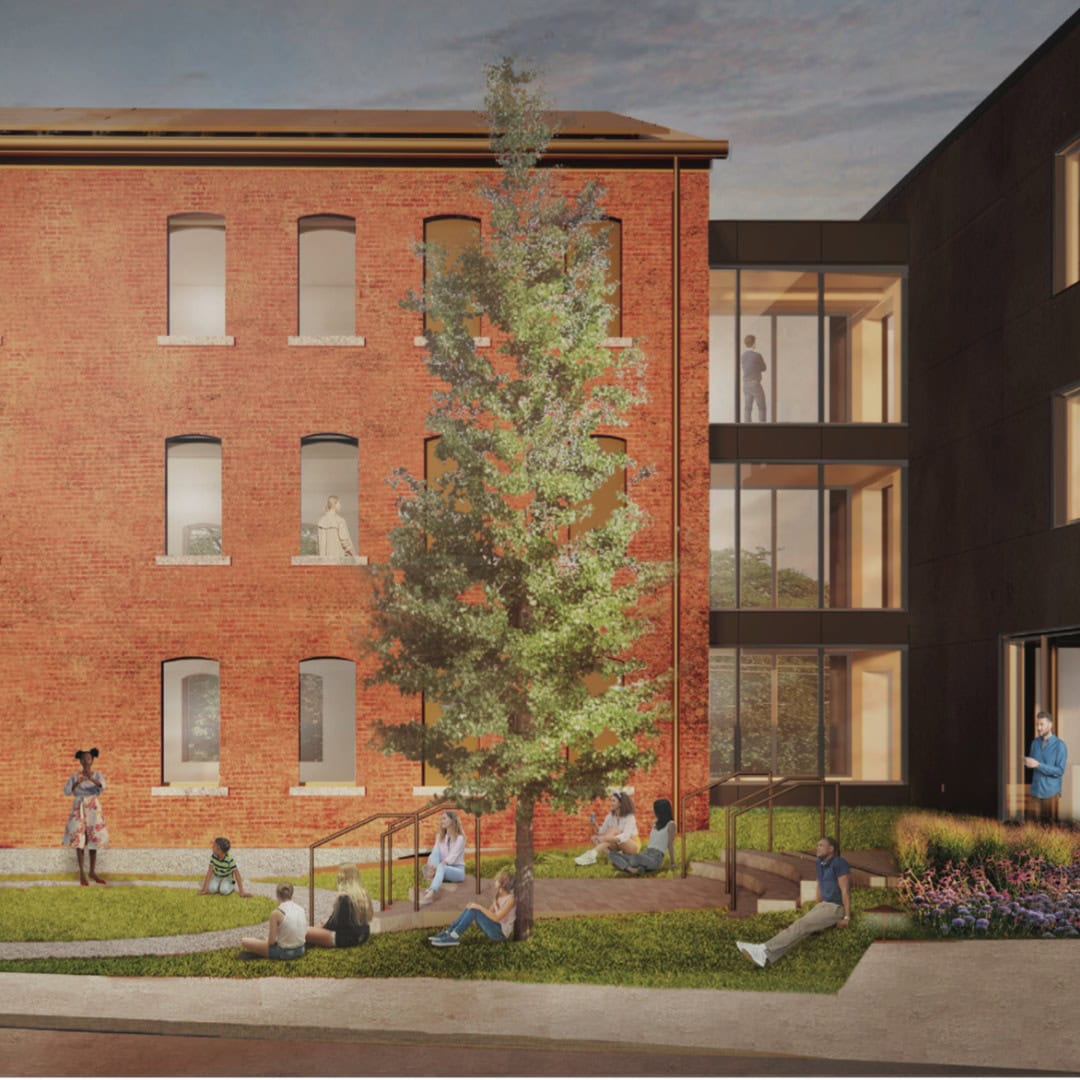
For those who have studied the Shakers, the modern wave of attention is unsurprising. “ I think it has gone in waves,” said Jerry Grant, director of collections and research of the Shaker Museum, which plans to open a new four-story building in Chatham in 2028.
Grant, a historian, became interested in the Shakers around 1974 during the bicentennial of their arrival in New York City. He preferred to work on social history and, during his formative years, was influenced by the communal societies movement of the late 1960s — the sect checked both interests. There was another surge of Shaker interest after a popular exhibit in the mid-1980s at the Whitney Museum in New York City, which led to a rise in the popularity of their designs and furniture. In the last 10 years, there has been a lot of scholarship about the Shakers from feminist, African American, and communal studies perspectives.
The first official Shaker community was founded in 1787 in New Lebanon, N.Y., two years after Lee’s death. Grant believes that at their peak in the mid-19th century, the Shakers made up roughly half of the township in terms of land ownership, agriculture, and manufacturing. “They were certainly a major influence on that town and towns around the area. They did business up and down the river,” he added. “I think, in that sense, they were an important part of the economic development of the Hudson Valley.”
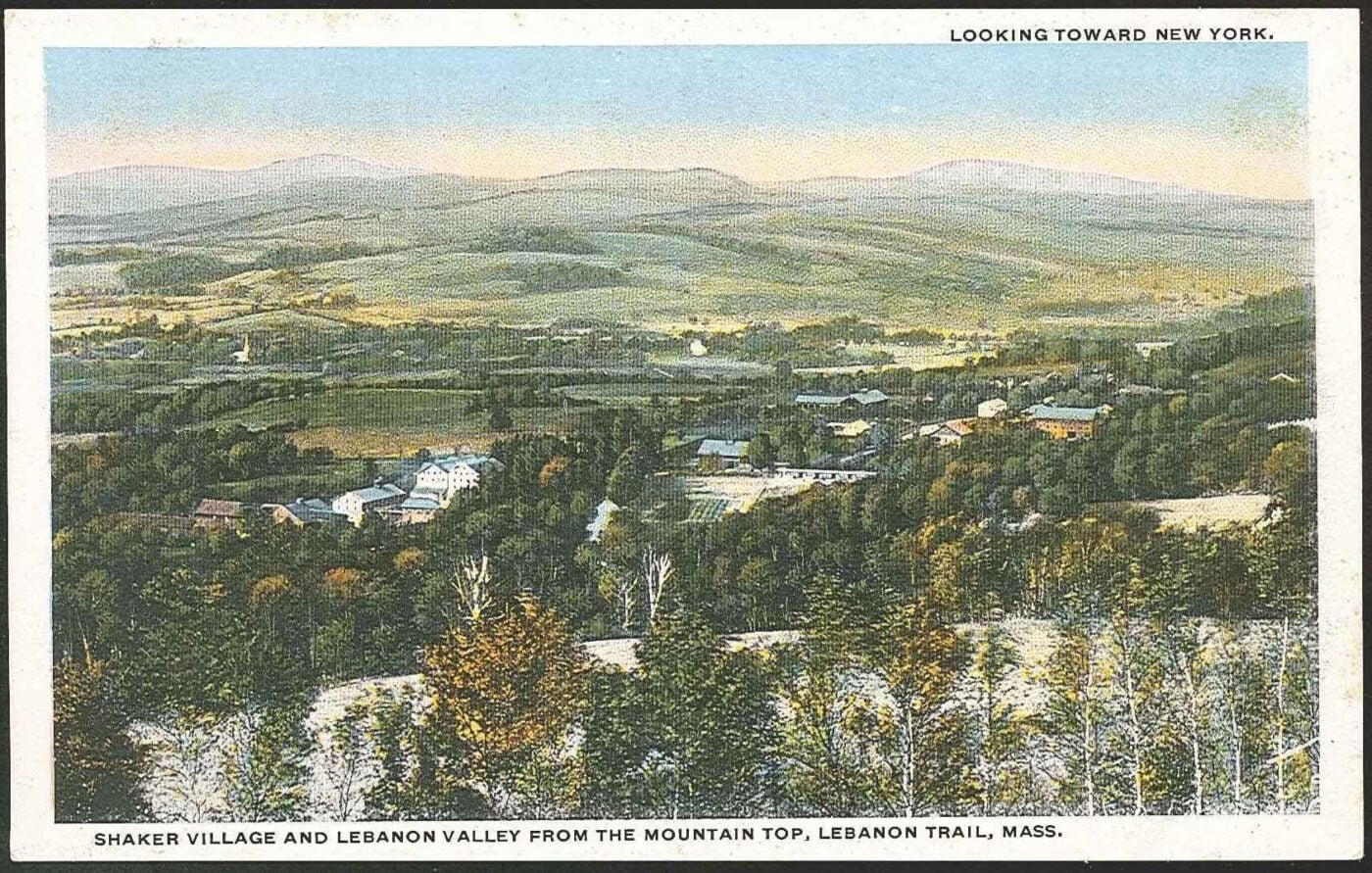
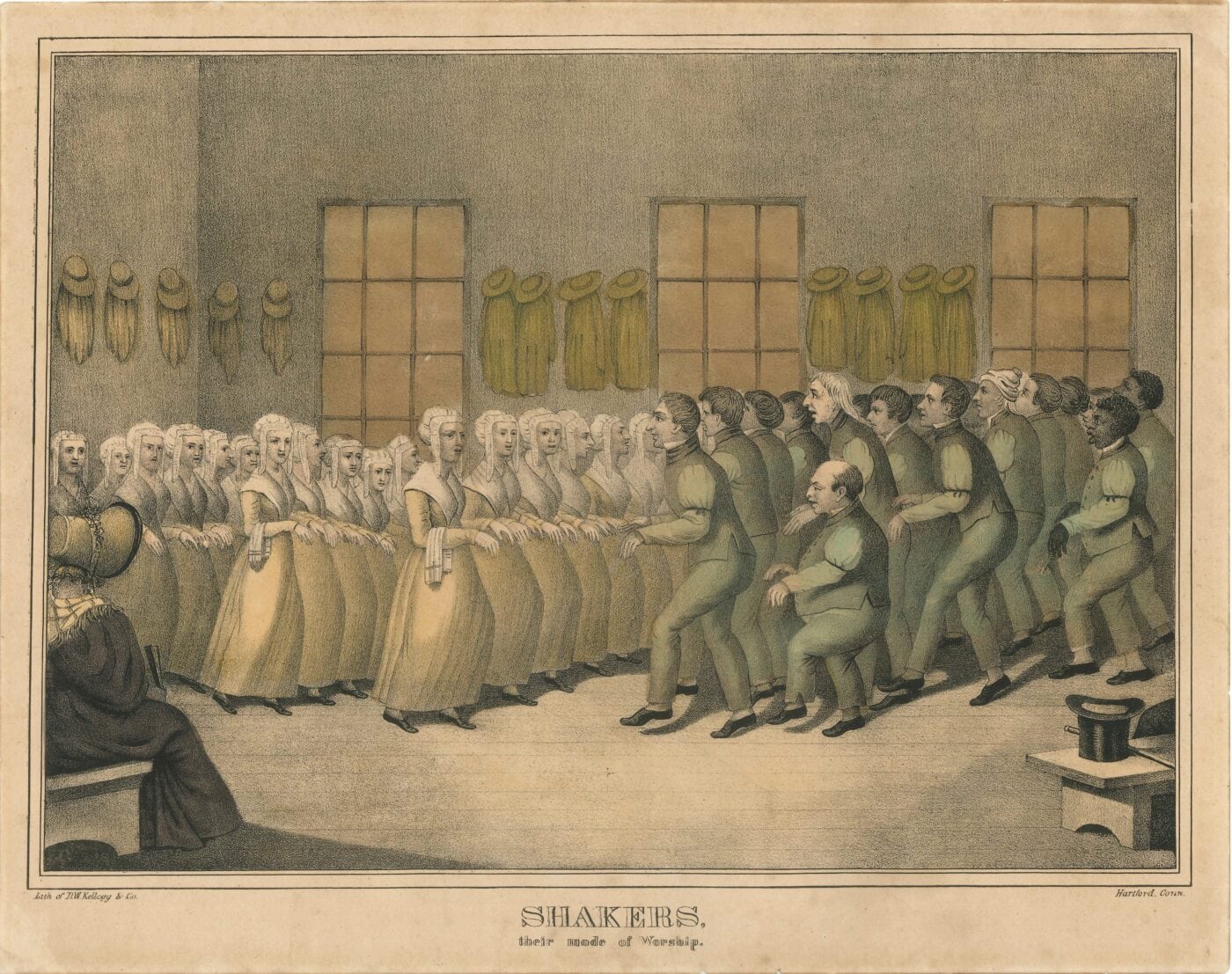
The Hudson River also helped them to bring new followers to the sect and expand to new places. By the middle of the 19th century, they had expanded to 19 communities across the country, from Maine to Florida, with around 6,000 members. They became famous for making the highest-quality furniture, revolutionizing home gardening by pioneering the commercial seed industry, and for engaging in ecstatic dance (modern thinkers have called their worship services “godly 18th-century raves“).
With the Industrial Revolution and their strict celibacy vow, the sect began to dwindle by the early 20th century as it failed to attract new members (a must since followers couldn’t produce children). The New Lebanon community was closed in 1947. Last year, the single community of Shakers remaining (in Maine) added a new member, bringing the total of Shakers in the United States to three. In a recent video, member Brother Arnold stressed that in her teachings, Mother Lee emphasized the value of labor as part of their faith.
Among the first to recognize their historical importance and the quality of their objects was John S. Williams, a Hudson Valley cattle farmer from Old Chatham. In the 1920s and 1930s, he collected many Shaker objects, buying them directly from the communities. He also developed friendships with many members and gained their trust, in part through his commitment to creating a museum dedicated to the religious movement.
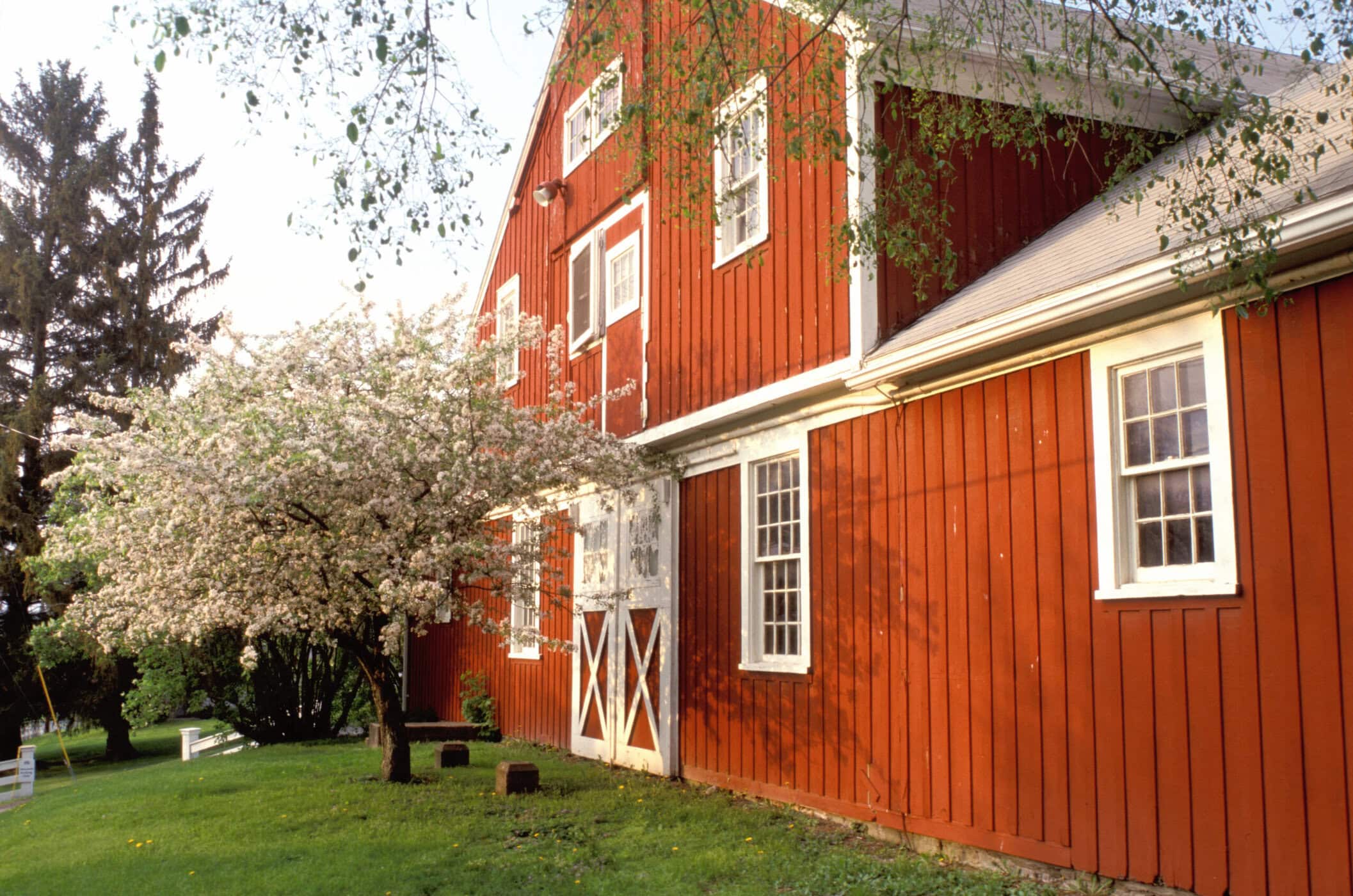
The Shaker Museum first opened in 1950 in one Williams’ barns in Old Chatham. It has one of the most significant collections of Shaker objects, archives, and furniture, including a piece of Ann Lee’s apron. The original museum building became unusable by 2009, and because the institution was not tied to any historic site, leadership decided to open the new building, now under construction, in the town of Chatham where it could attract more visitors.
Shaker Philosophy of Design
Part of the Shakers’ contemporary appeal comes from living in an uncertain age, according to Theresa Frey-Alexander, the curator of education and interpretation at Shaker Heritage Society, a nonprofit museum located in Albany at the site where Ann Lee lived with the first Shakers. “They lived in a tumultuous time, they sought an alternative, and I think that resonates with a lot of people,” she says. The Shakers had escaped religious persecution in England and settled in New York City in 1774. At the beginning of the American Revolution, as the war reached major cities, they settled on land they leased near Albany to improve it, as stipulated in their contract, and practice their religion freely.
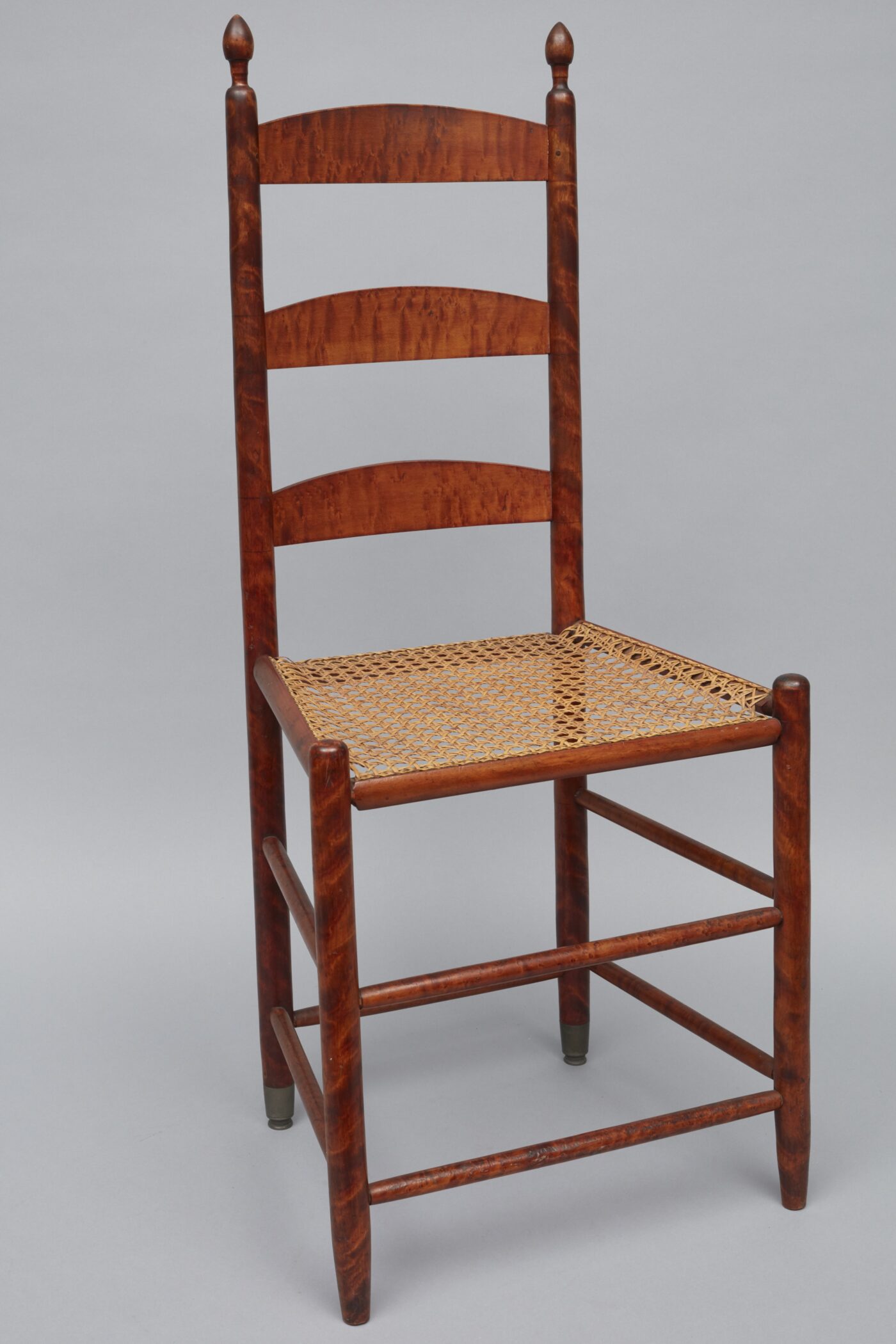
“They believed that every physical action was an opportunity for worship and an opportunity to serve their community,” Frey-Alexander says. For her, the appeal of their work is that the objects were handmade and made with intention, attentiveness, and beauty. Among their most famous objects are their furniture pieces, desired by collectors for their minimalist style and high quality. Their chairs, for instance, are built with hardwood and woven cotton canvas tape for seating. They also built custom pieces for their fellow Shakers, and could be very innovative in their design, like their revolving chairs.
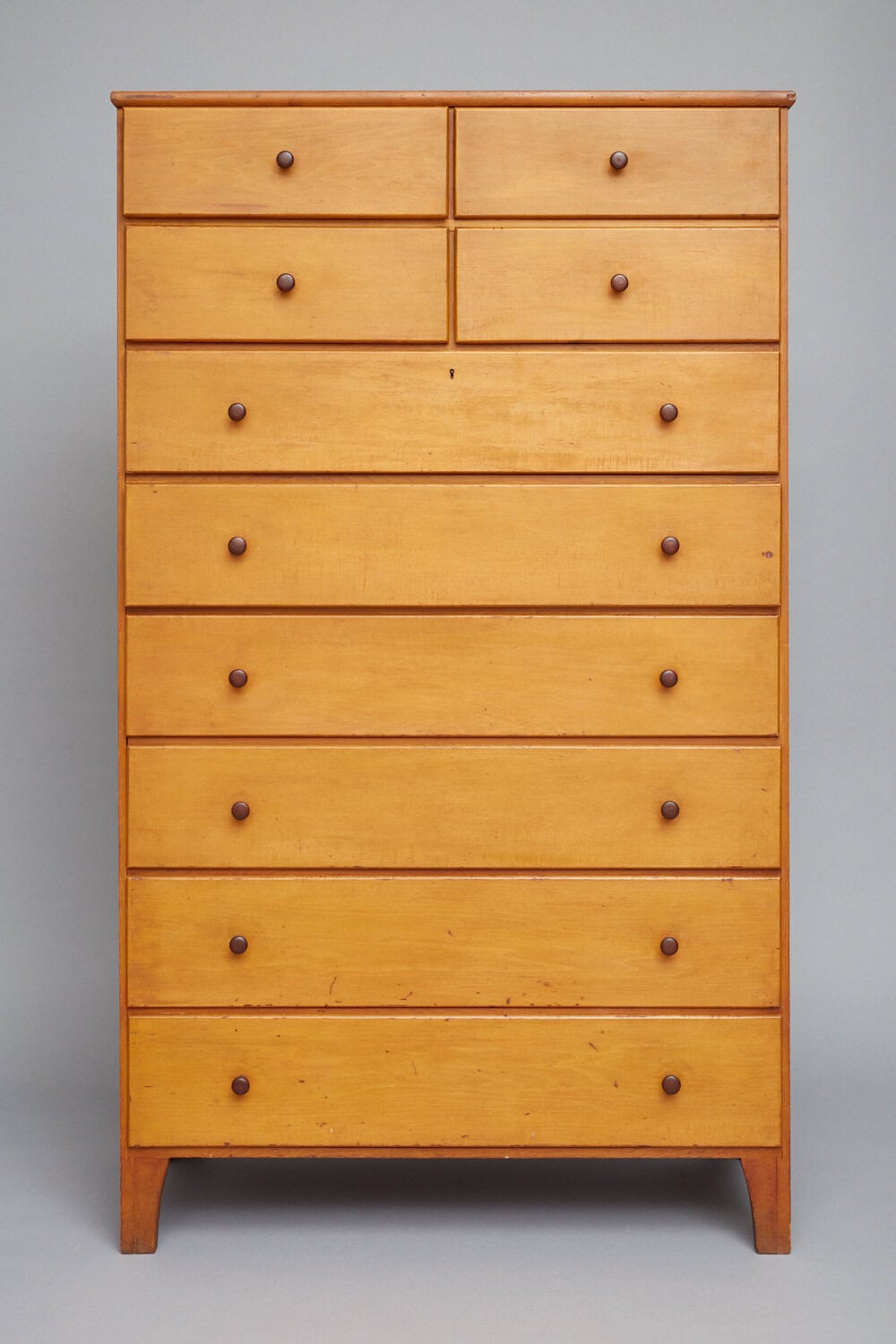
Photographer Michel Arnaud, who co-wrote the book Upstate Now: Art, Design, and Rural Life in the Hudson Valley and Catskills, said that Shaker “design DNA is everywhere in the Hudson Valley.”
Arnaud explains that their idea of “simplicity as a form of discipline” can be seen in cabinetry, furniture, millwork, and architecture today across the region. The philosophy behind their designs, he says, “still resonates strongly with makers, architects, and clients.”