


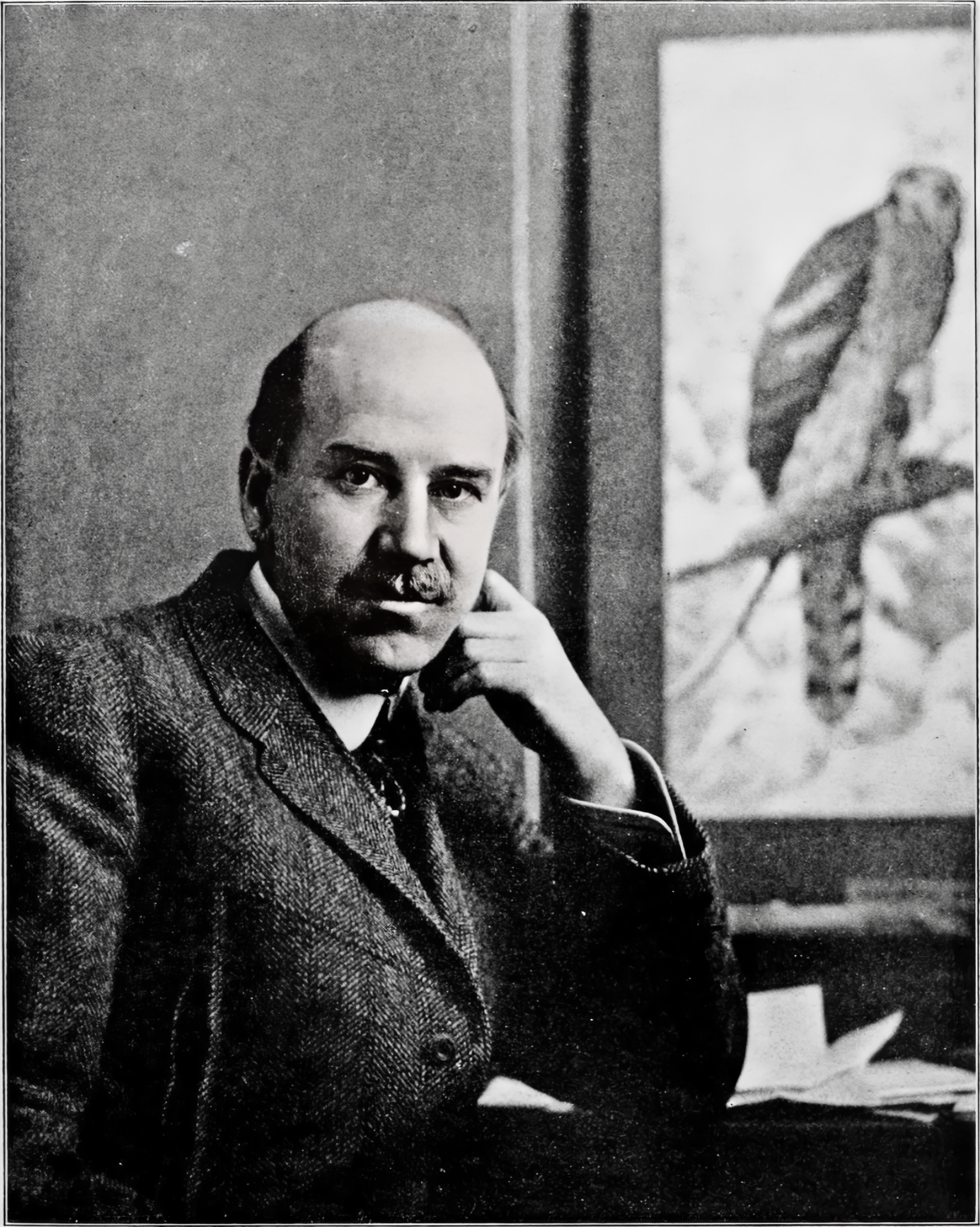
From his earliest years in Ithaca, N.Y., Louis Agassiz Fuertes showed a keen fascination with the natural world. Perhaps it was fitting that his father, Estevan Antonio Fuertes, had named him after American naturalist Jean Louis Rodolphe Agassiz. As founder and dean of Cornell University’s School of Civil Engineering, as well as an astronomer from Puerto Rico, the elder Fuertes may have hoped his son would follow a path similar to his own. Instead, Louis was drawn toward the work of his namesake, pursuing a life shaped by the close observation of nature.
By his early teens, Fuertes was already drawing and painting wildlife and was especially intrigued by the movements of birds. He sought out information in local libraries and became captivated by the color plates in John James Audubon’s Birds of America. Fuertes kept careful notes on the birds he encountered, learned to mimic their calls, and collected specimens from the forests and fields near his home so he could examine and draw them more closely.
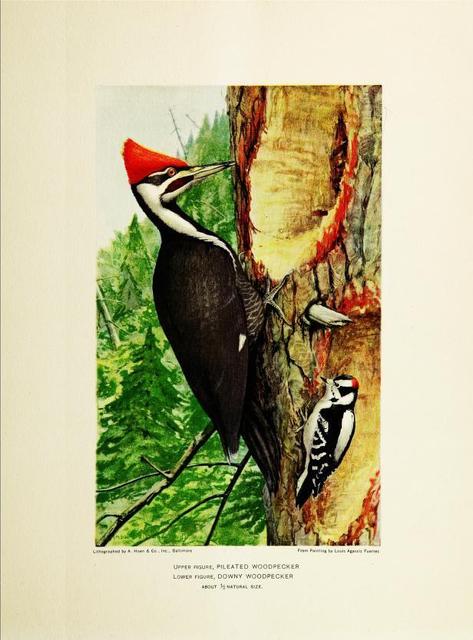
Fuertes eventually enrolled at Cornell University to study architecture, as ornithology was not yet part of the curriculum there. Birds continued to command his attention, however, and in one memorable instance, he climbed out a classroom window in the middle of a lecture to track down the source of a birdcall. By his senior year, Fuertes had committed himself fully to art, completing a thesis on avian coloration.
Only weeks after graduating from Cornell, Fuertes began studying with noted painter and naturalist Abbott H. Thayer. During the winter of 1897–1898, he lived in Thayer’s Westchester County home, working as an apprentice and sharpening his artistic skill. He spent much of his time with Thayer traveling the Hudson Valley to study the colors, light, and textures of the natural world. Yet Fuertes felt constrained by the narrow range of birds he had studied up to that point. That changed dramatically in 1899, when the 25-year-old artist was invited to join the Harriman Expedition.
The expedition was a large-scale journey into the wilds of Alaska, conceived and funded by New York railroad magnate Edward Henry Harriman. Harriman assembled a 30-person team of scientists, artists, photographers, and naturalists, including John Muir and John Burroughs, to sail with him aboard the steamship George W. Elder. The party was supported by an extensive crew of household servants, physicians and nurses, stenographers, hunters, and taxidermists. Harriman relatives and guests also joined the two-month voyage, which ultimately covered nearly 9,000 miles along the coasts of British Columbia, Alaska, and Siberia.
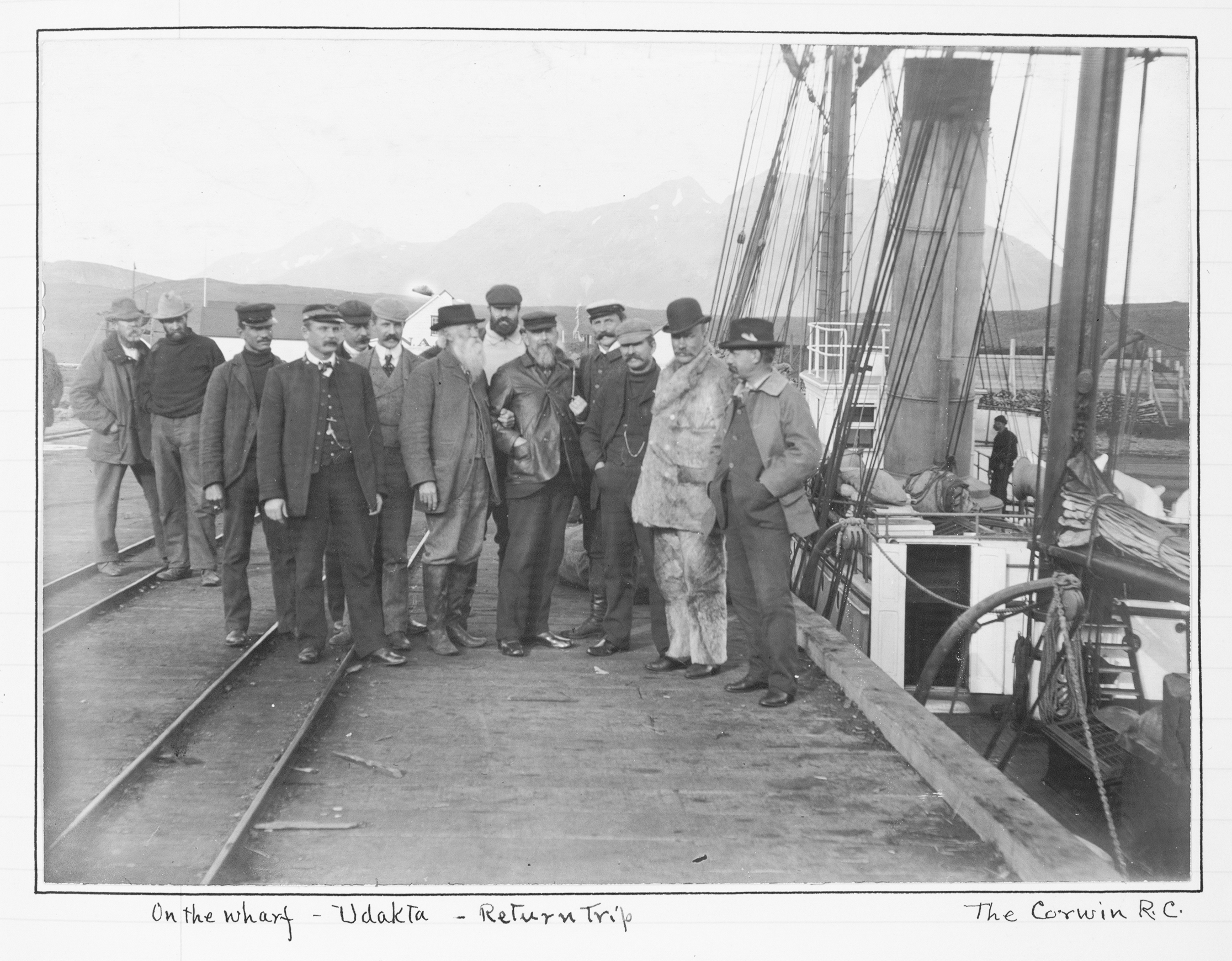
Aboard the ship, Fuertes was provided with a light-filled studio where he documented the birds captured or sighted during the voyage. When Mary Williamson Harriman saw his sketches, she began displaying them around the ship for fellow passengers to study and admire.
The friendships and professional connections Fuertes formed on the Harriman Expedition helped elevate his reputation as an artist. Sixteen of his bird illustrations from the trip appeared in full color in the expedition report, confirming his standing as a respected wildlife artist and leading to invitations to document birds all over the world.
He also formed a lasting friendship with John Burroughs, keeping up a correspondence long after the voyage and later illustrating several of Burroughs’s books. After Burroughs’s death in 1921, Fuertes helped carry his friend’s legacy forward as a founding member of the John Burroughs Memorial Association. Created to preserve Burroughs’s work, the Association soon acquired Slabsides, Burroughs’s 1895 Ulster County cabin, along with the surrounding 200-acre John Burroughs Nature Sanctuary, which it continues to maintain today.
In addition to his artistry, Fuertes became a sought-after speaker across the country. He returned to the Hudson Valley several times to lecture at Vassar College and various high schools and clubs throughout the region. His presentations combined science, art, and performance: Fuertes showed off lantern slides from his research trips, shared stories about his artwork, and entertained audiences with whistled bird calls.
During a 1916 visit to the Rhinebeck Bird Club, Fuertes and ornithologist Maunsell S. Crosby made an important local discovery. They became the first to document a northern rough-winged swallow nesting site in Dutchess County. That observation would lead to the discovery of additional nests along the Hudson River. That evening, Fuertes demonstrated another find from the same trip to an audience gathered at Rhinebeck’s Starr Institute library: the song of the golden-winged warbler, which was new to him.
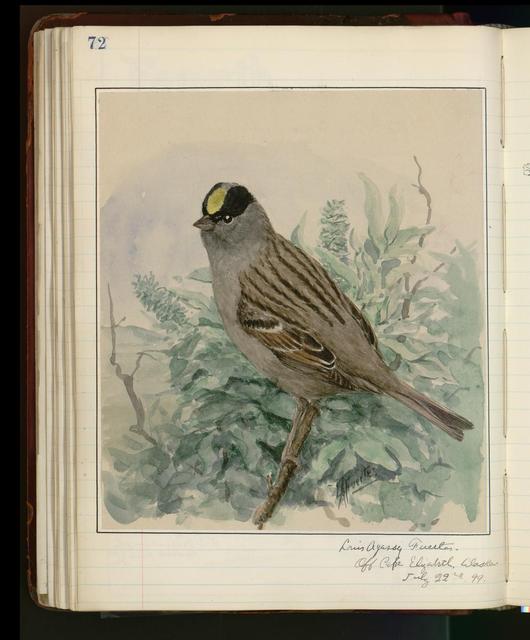
Over time, Fuertes would provide illustrations for 35 books and 60-plus publications, including National Geographic. Though birds were his favorite subject, he painted all manner of wild and domestic animals. The Book of Dogs: An Intimate Study of Mankind’s Best Friend became one of his most popular works.
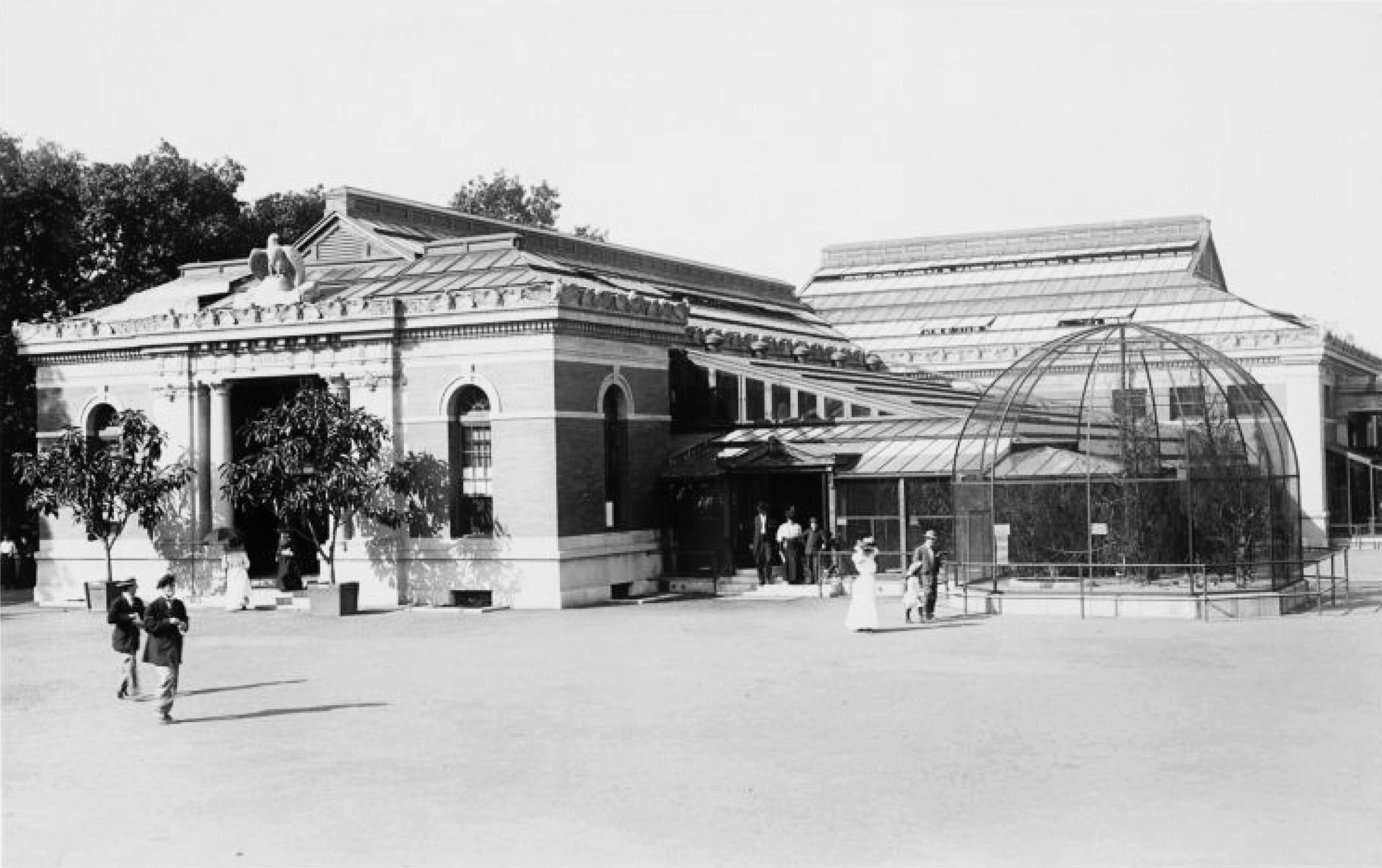
Although Fuertes traveled widely globally, his most substantial body of work focused on species found in New York and New England. He collaborated with the American Museum of Natural History in NYC, contributing to ornithological displays and research. The New York Zoological Society (today the Wildlife Conservation Society) commissioned several of his paintings for its new wildlife park, later known as the Bronx Zoo.
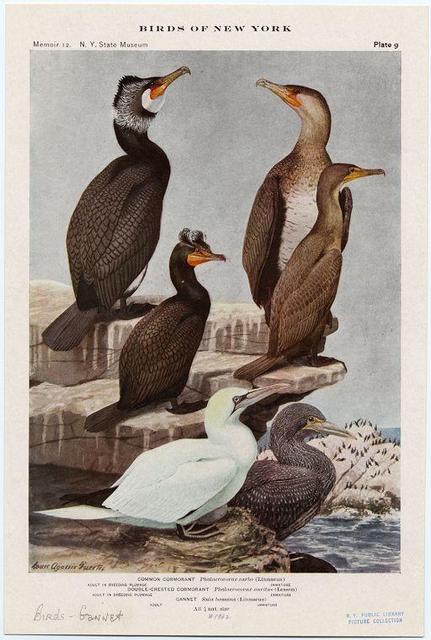
New York State also commissioned the illustrations for one of his greatest achievements: the two-volume Birds of New York, written by Elon Howard Eaton. For that project, Fuertes catalogued, sketched, and painted more than 300 bird species native to New York, ultimately producing 106 unique chromolithograph plates. Much of that collection is now part of a permanent exhibit at the New York State Museum.
In the summer of 1927, at 53, Fuertes was driving home from the Catskills with his wife Margaret when their car was struck at a railroad crossing. Margaret survived, but Louis died at the scene. In the car were paintings for what would become his final publication, Album of Abyssinian Birds and Mammals. Remarkably, the artwork survived the crash.
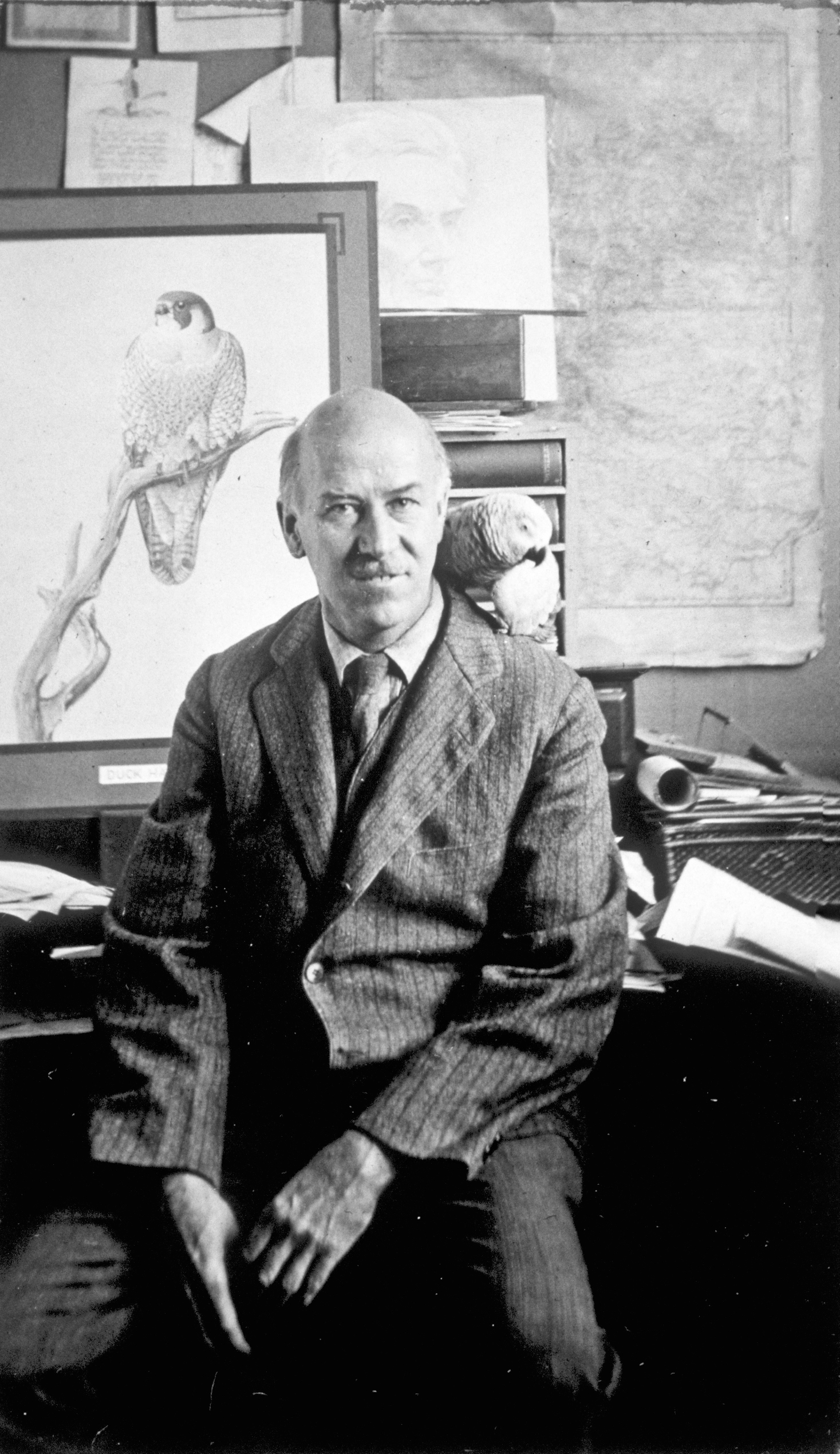
Fuertes’ body of work continues to inspire artists, naturalists, and bird enthusiasts. His paintings, books, and widely attended educational lectures helped spark public interest in bird watching and identification, all the while setting new standards for wildlife illustration. From the images he created, the world’s birds and other wildlife came to be viewed not only as subjects of beauty, but also as representatives of the fragile habitats that sustain them.