

A wide-open Hudson Valley space provided the backdrop to free and open discussion between people of different races and generations that proved foundational to the national Civil Rights Movement.
The natural beauty of the Troutbeck estate in Dutchess County’s Amenia has served as a welcoming setting for leaders and creatives to gather, exchange ideas, and spark meaningful change for centuries. For those who participated in the historic Amenia Conferences in the early 20th century, Troutbeck offered more than just a picturesque backdrop — it was pivotal to the NAACP and the larger movement for racial equality.
The NAACP was established in 1909 amid violence against the Black community throughout the United States. A group of about 60 people, including author and civil rights activist W.E.B. Du Bois, officially organized on Feb. 12 of that year, aiming to secure equal protection and liberties set forth in the U.S. Constitution. Early on, the NAACP focused on creating a nationwide presence, recruiting new members and developing legal strategies to challenge racism.
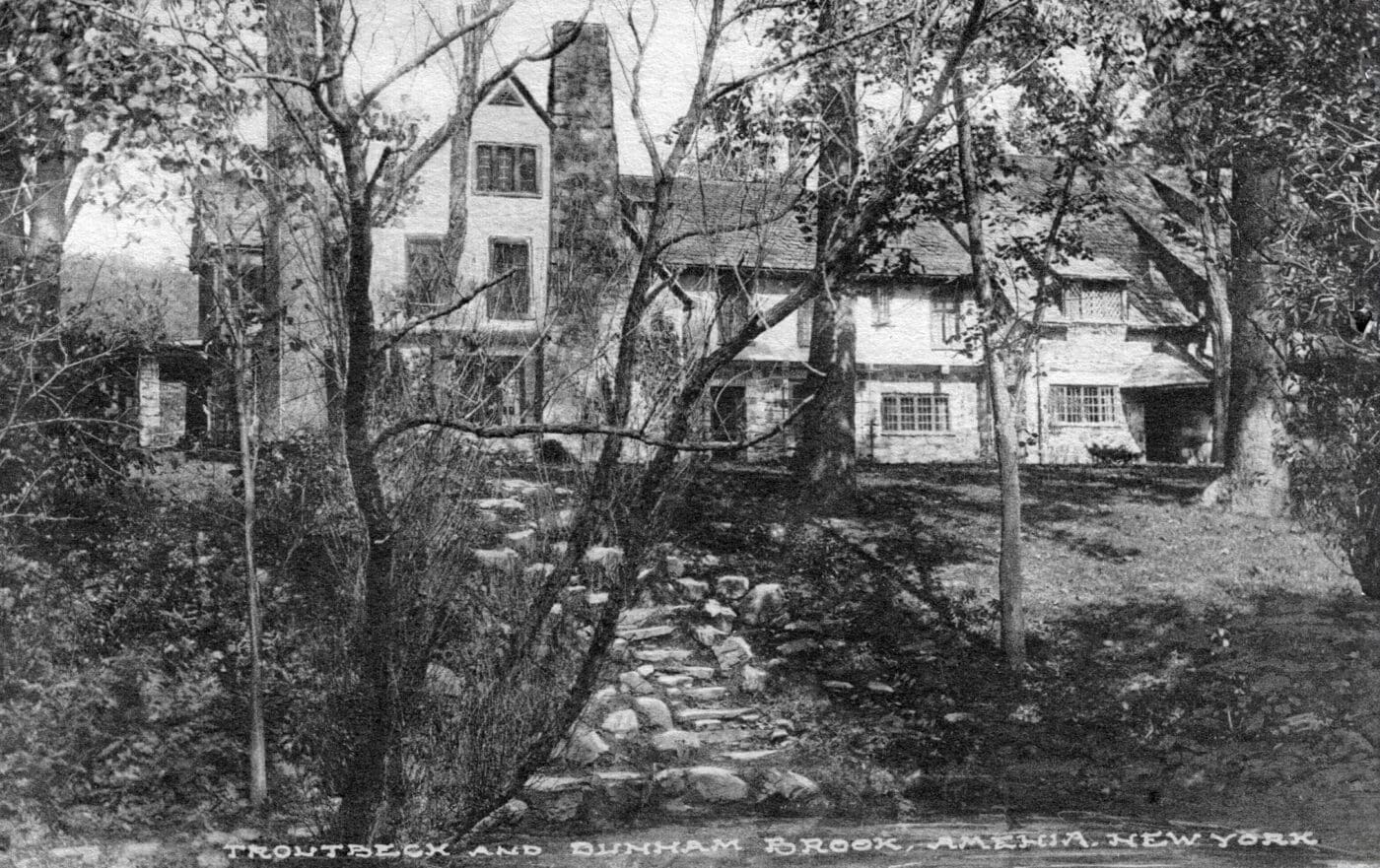
During the same era, social activists Joel and Amy Spingarn purchased Troutbeck and surrounding land, eventually 800-plus acres in all. They began hosting prominent advocates of justice and human rights. (Troutbeck already had a long history of visiting creatives. Guests like John Burroughs, Sinclair Lewis, and Walt Whitman visited generations of the Benton family, the first owners to develop the property.)
Joel Spingarn chaired the NAACP Board of Directors starting in 1913. The following year he, his wife, and his brother Arthur Spingarn established the NAACP Spingarn Medal, an award for outstanding achievement by an African American. (Both Amy and Arthur Spingarn would hold leadership roles in the NAACP as well.) As the organization developed, Spingarn, W.E.B. Du Bois, and others dreamed of a retreat that would gather prominent social reformers to converse about civil rights.
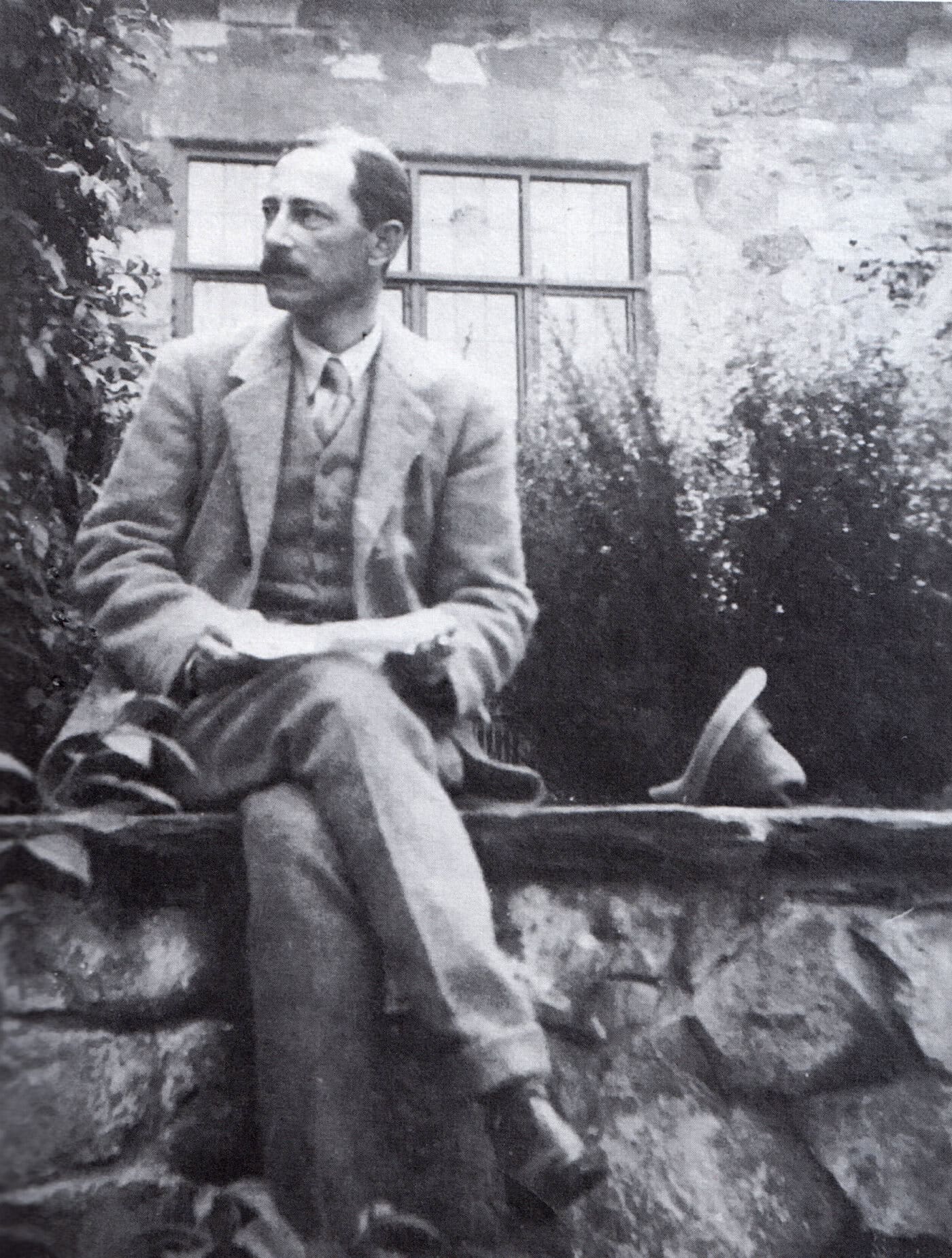
As Du Bois would later note, the idea for “an informal gathering in the open air” at Troutbeck that would include “frank and free discussion on the part of leaders of every school of thought” was finalized. Some 200 invitations were delivered to leaders in law, medicine, politics, the arts, and religious and fraternal organizations. Although the event was endorsed by the NAACP, the “Amenia Conference” was an independent gathering.
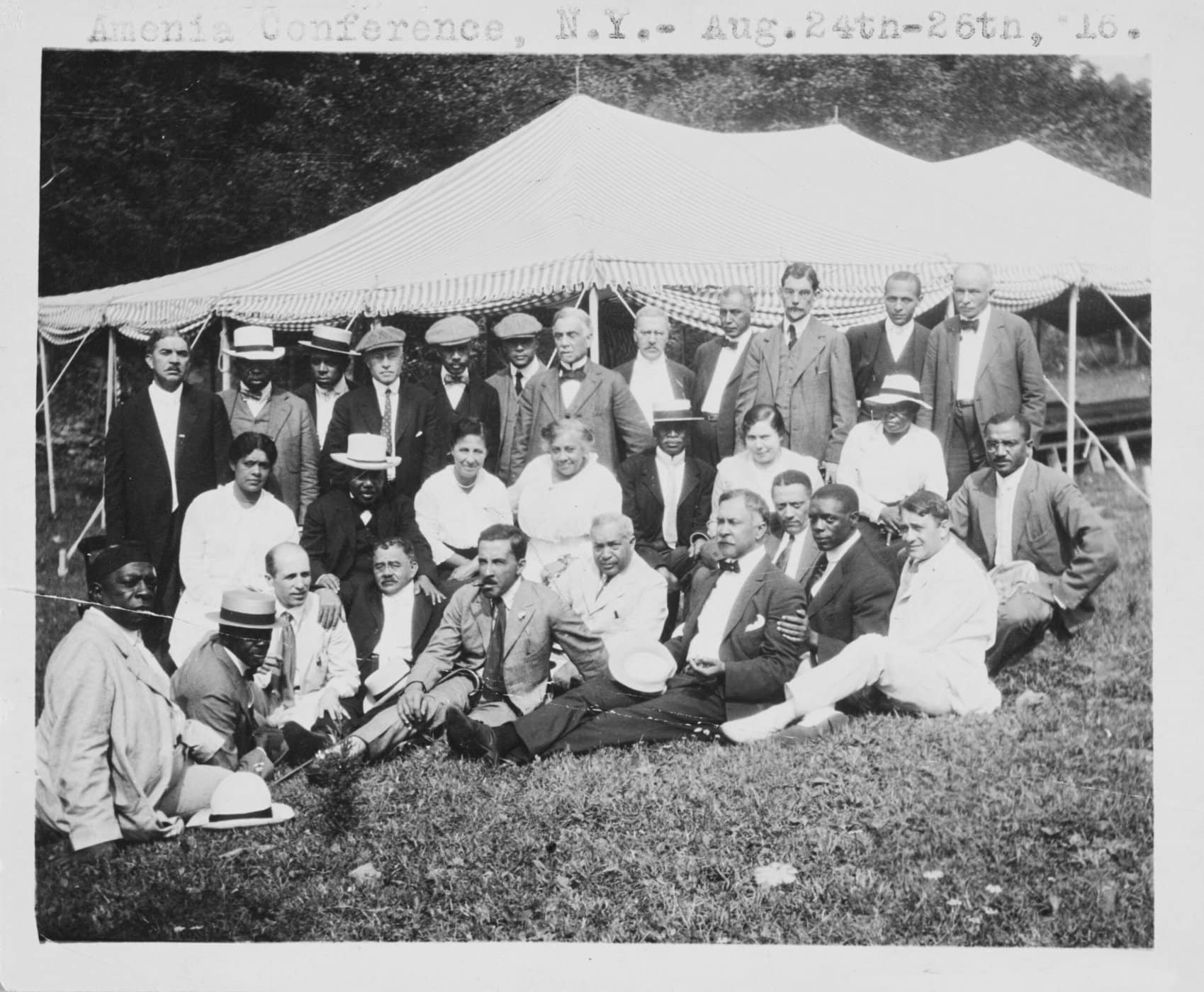
In August 1916, over the course of three days, 60 people gathered in a small tent village on the Troutbeck property. To maintain privacy and free speech, formal minutes were not taken. Du Bois would later write that participants discussed a wide range of controversial issues, including “education, politics, organization and the situation in the South.”
In addition to sometimes heated debates, participants enjoyed swimming, hiking, baseball and tennis, as well as ample communal meals, with Amy Spingarn photographing many of the weekend’s events. The Amenia Conference helped unify leaders and define future actions related to civil rights, and plans were made to meet yearly. In summing up the first Conference, Du Bois declared the event “beautiful and satisfying,” and a factor in bringing national attention to the NAACP.
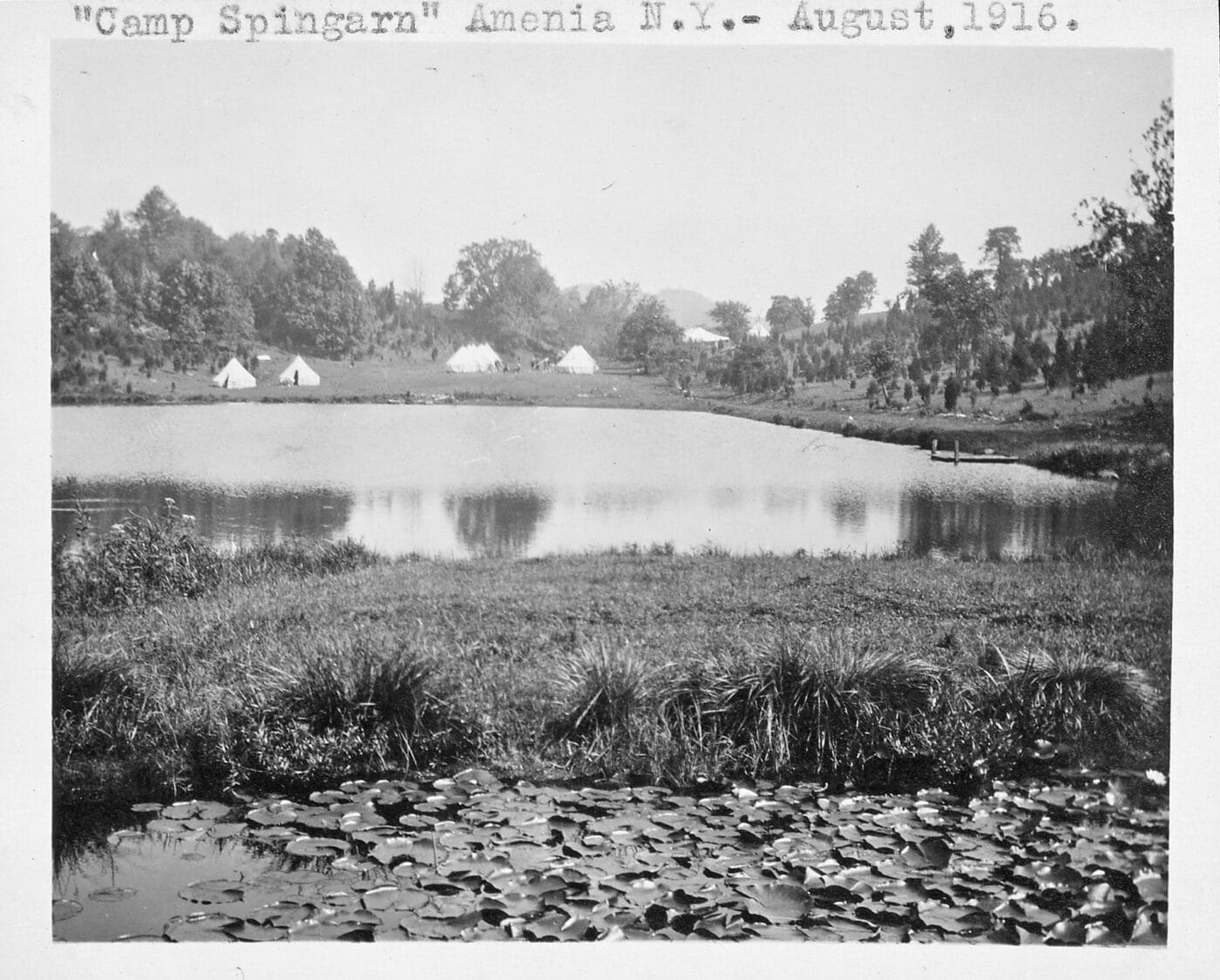
The outbreak of war stalled further meetings, and it would be nearly two decades before the next Amenia Conference was held. In the early 1930s, with the country mired in economic depression and NAACP membership numbers down, Joel Spingarn (by then NAACP president) and Du Bois decided to hold another conference in an attempt to rejuvenate the struggling organization.
The second Amenia Conference took place in 1933, this time focusing on a younger generation of Black leaders. Once again, formal minutes were avoided, but much of the discussion centered the necessity of economic and political equality for true racial equality. This emphasis on economics and workers’ rights would inform future NAACP work and would be echoed in later years by such civil rights leaders as Martin Luther King Jr.
Although the Amenia Conferences never continued annually as envisioned, their impact continued. Their discussions reverberated nationally as participants brought new ideas and strategies back to their respective organizations, shaping the civil rights movement and bringing about labor reforms.
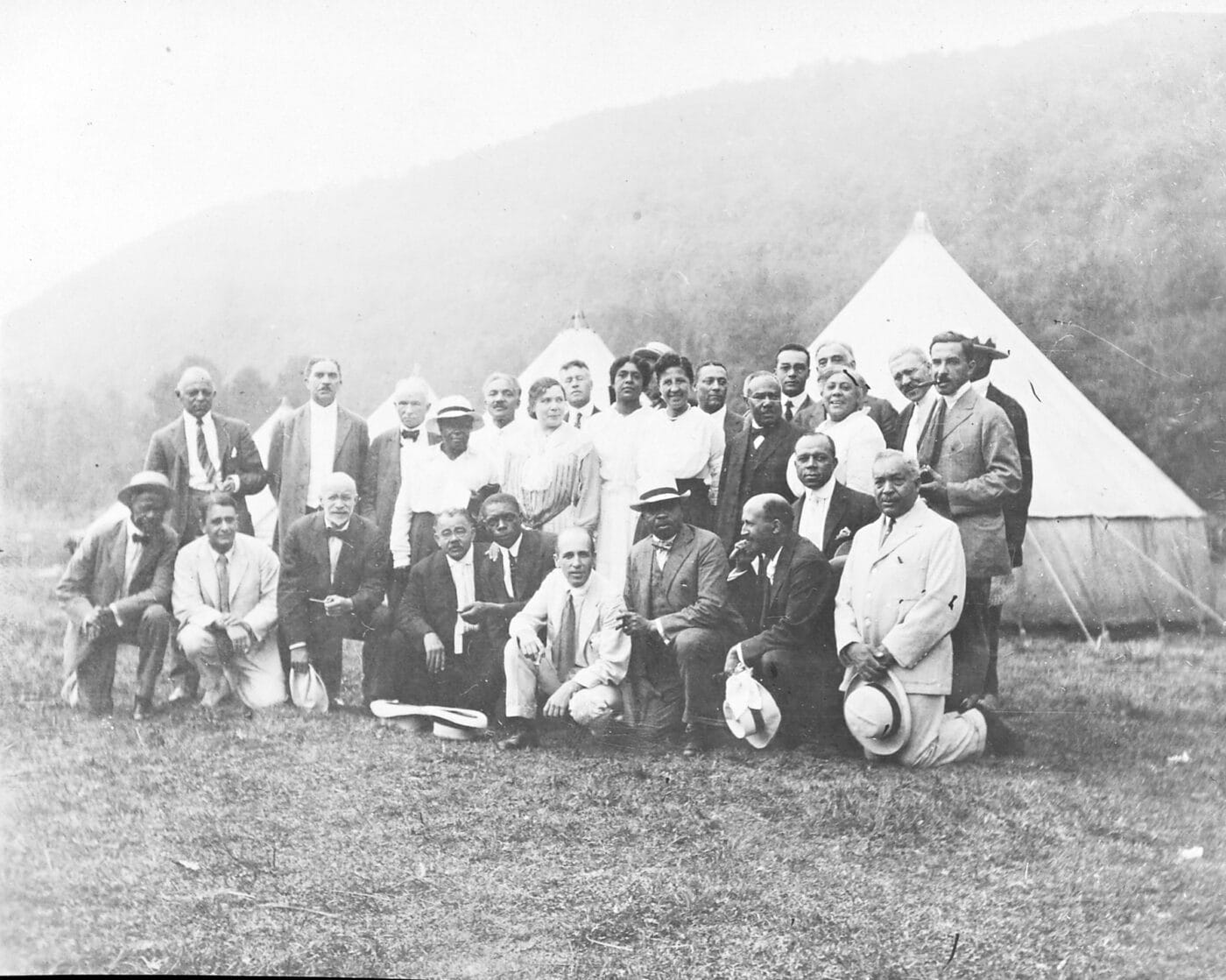
Troutbeck’s spirit of advocacy has continued well beyond the Amenia Conferences. The Spingarn Medal continues on, and has honored the achievements of leaders like W.E.B. Du Bois, Jackie Robinson, Martin Luther King Jr., and Kamala Harris.
In recent years, student leaders, historians, and creatives from New York and Connecticut secondary schools have gathered for the annual Troutbeck Symposium, developed by Salisbury School history teacher Rhonan Mokriski and current Troutbeck owner Charlie Champalimaud to discuss Hudson Valley history and contemporary social issues.
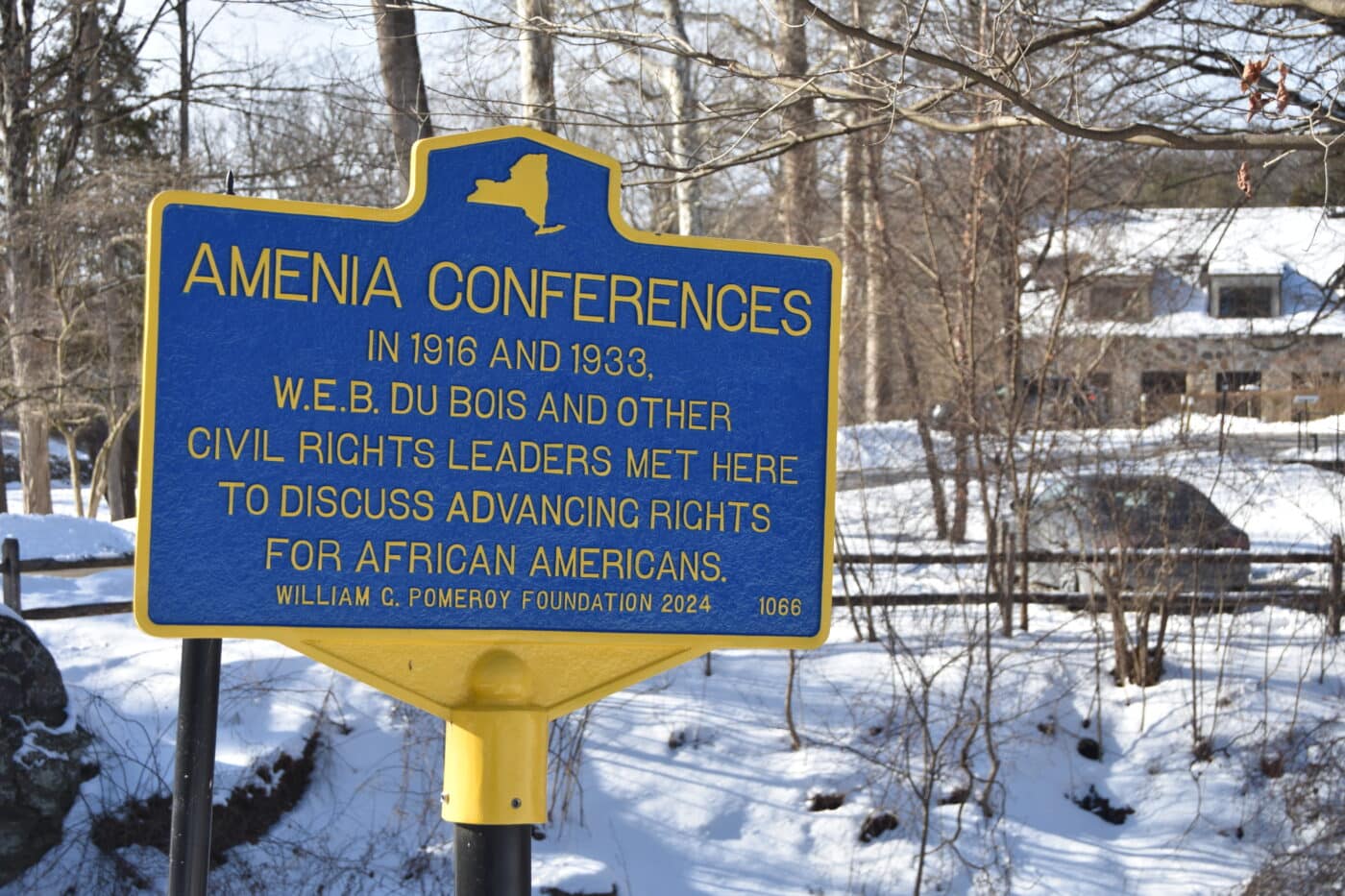
One key project out of the symposium: a new historical marker on the property, secured by Arlington High School students who researched the conferences’ history and won a grant through the William G. Pomeroy Foundation. Commemorating the 1916 and 1933 Amenia Conferences, the marker reminds us of leaders who have gathered across time to help bring equality closer to reality.