

Sculpting with clay is nothing new — pottery is a 40,000-year old craft found in virtually every culture, including those of Indigenous peoples in North America and the Hudson Valley specifically.
Our region has long been special when it comes to clay. “The Hudson River is famous for its clay deposits,” says David Moldover, ceramicist and co-owner of The Newburgh Pottery. “There were brick manufacturers up and down the river, and the clay banks across the river were 100 feet high.”
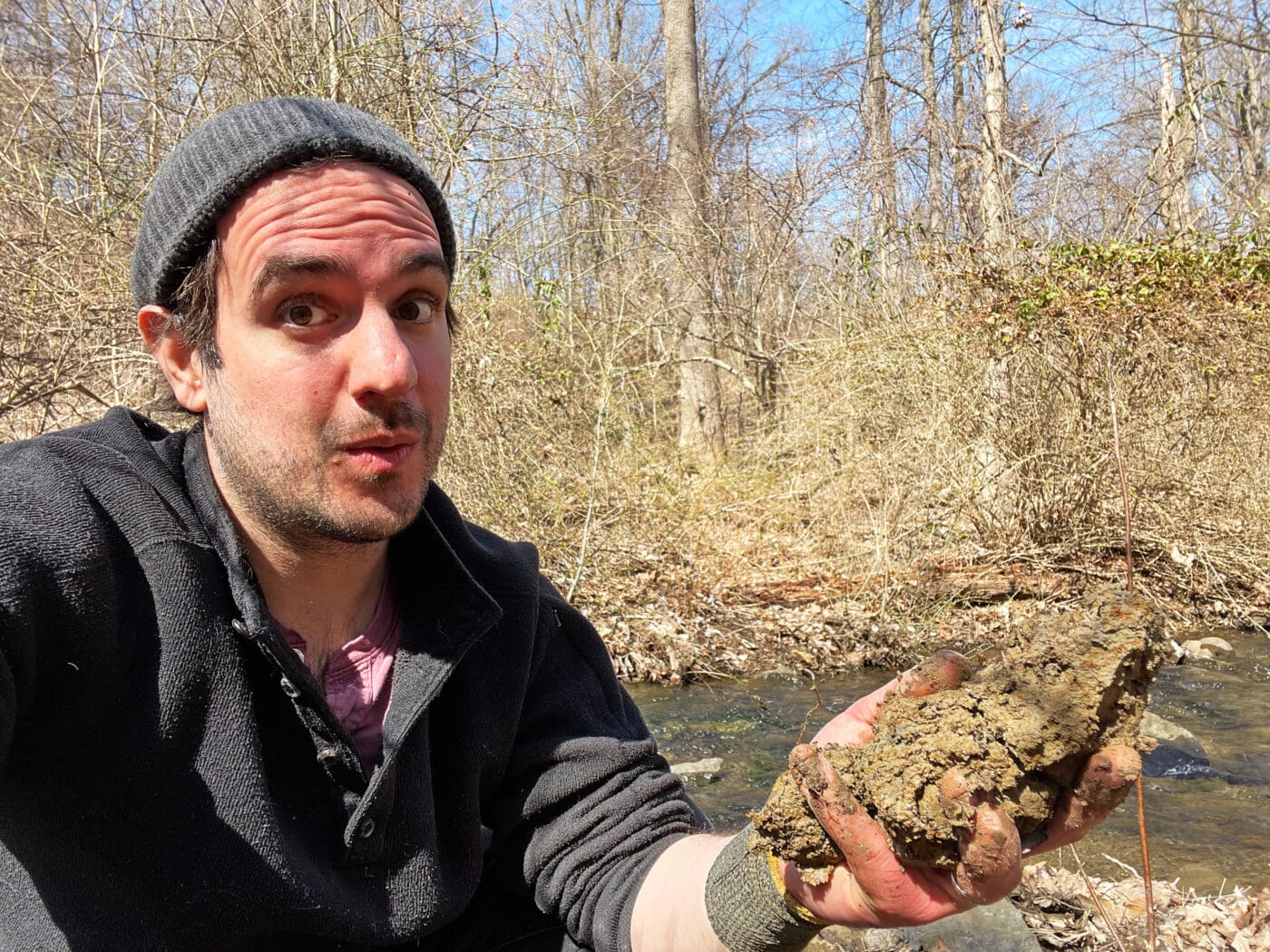
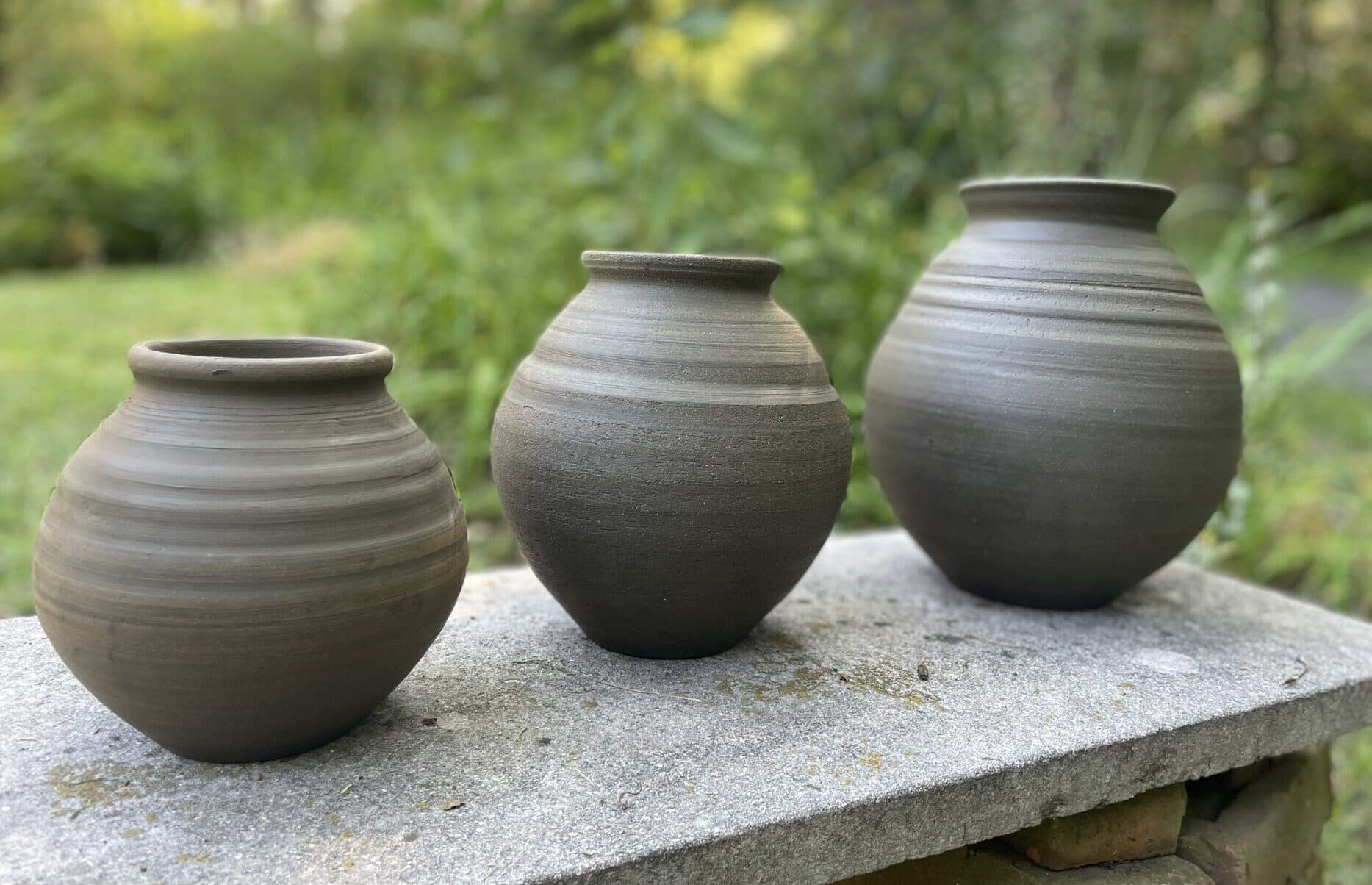
But the potential of the Hudson Valley’s clay beds hasn’t stopped at brick production. Today, ceramicists work with local wild clay — unprocessed clay dug straight from the ground — to connect with the earth and their creativity.
For Hayley Cranberry Small, ceramicist and cartographer, this has turned into a wild clay research project in the valley. Since she has a background in environmental studies and an appreciation of the outdoors, she was naturally drawn to clay, becoming more interested in organic forms and materials. “What interested me next was connecting my art practice back to where it comes from, the land,” says Small. “To be able to make art from materials I dug with my own hands feels like the ultimate artistic experience to me.”
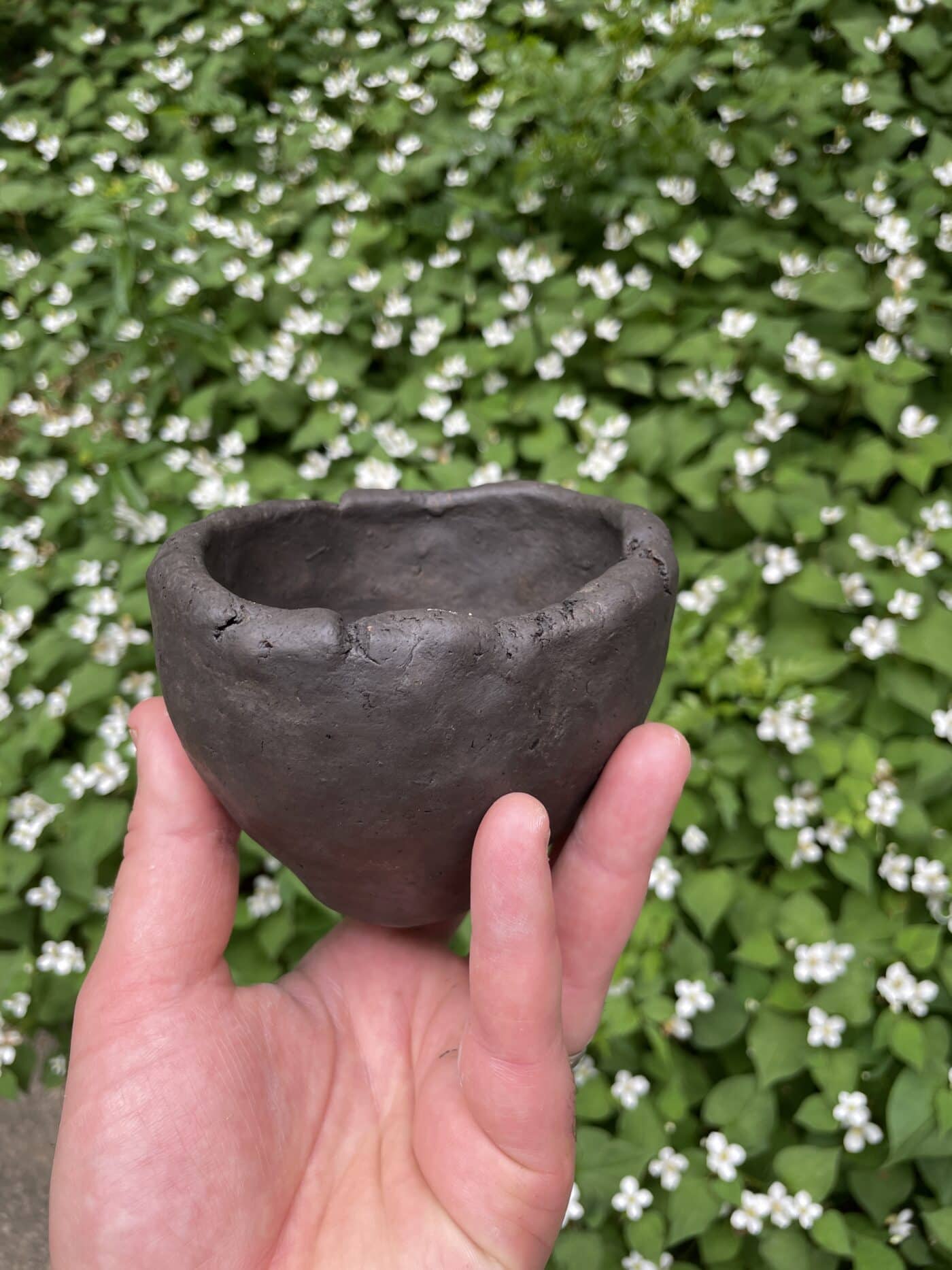
For Moldover, “When I use wild clay, I’m much more thoughtful about what I’m making, because so much work went into making the clay itself,” he says. “It makes me respect the material and the process, it slows me down, [and] it’s an incredible feeling of accomplishment to look at a piece I’ve made with clay that I’ve dug up and processed,” he adds.
Understanding wild clay
Visit your local pottery studio and you’ll find commercial clay, which is generally very processed, says Small. These clays may have had elements removed (to make the clay particles more uniform) or artificially added (for texture). The clay bodies in stores are also engineered to have very specific qualities for the kind of work you’re making, Moldover adds. Put another way, they’re predictable and consistent.
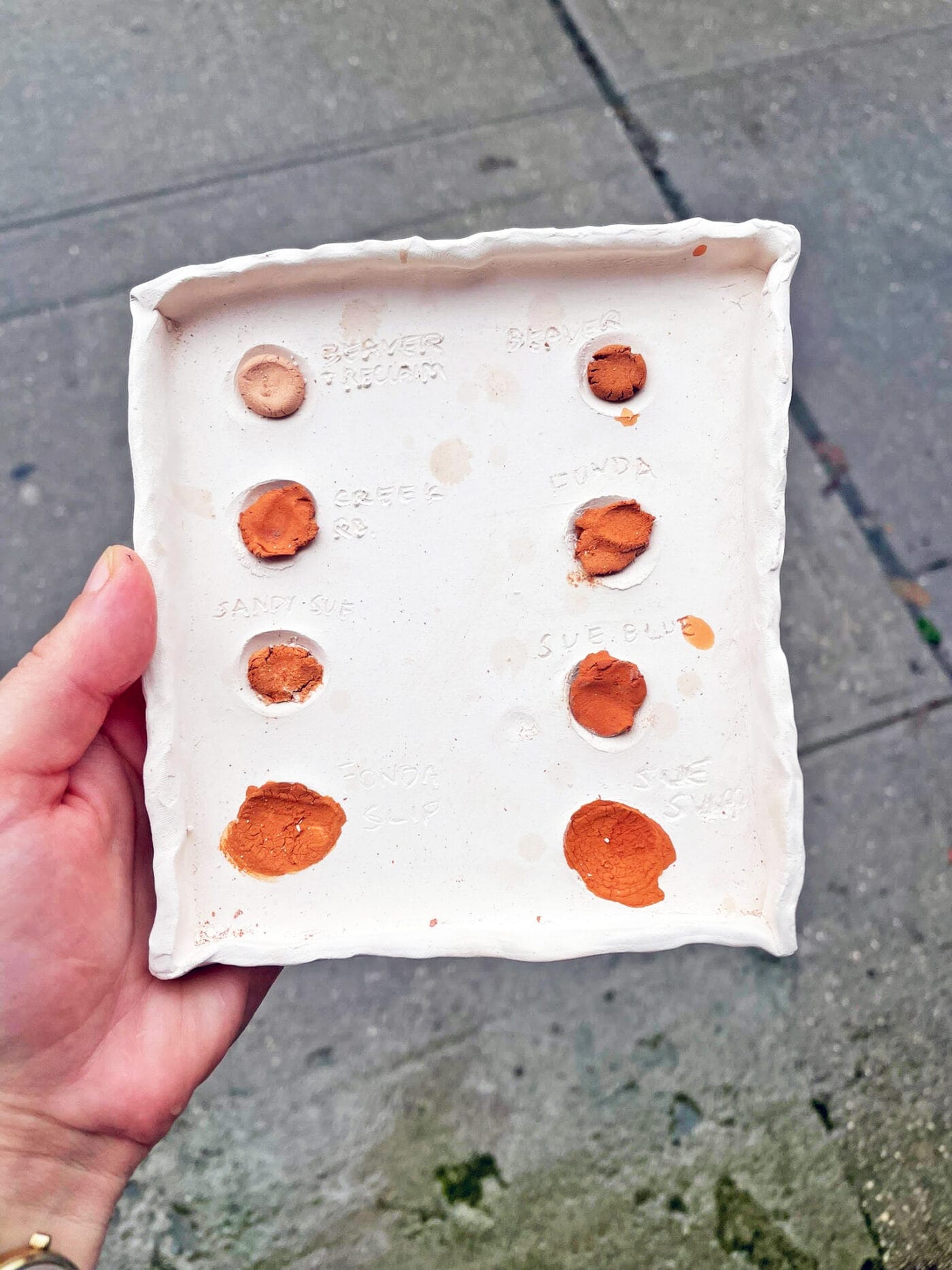
“But when you go out into nature and find clay, it will be different wherever you’re digging,” says Moldover. And part of the adventure is determining the qualities of the clay, which can be done using various tests, he says.
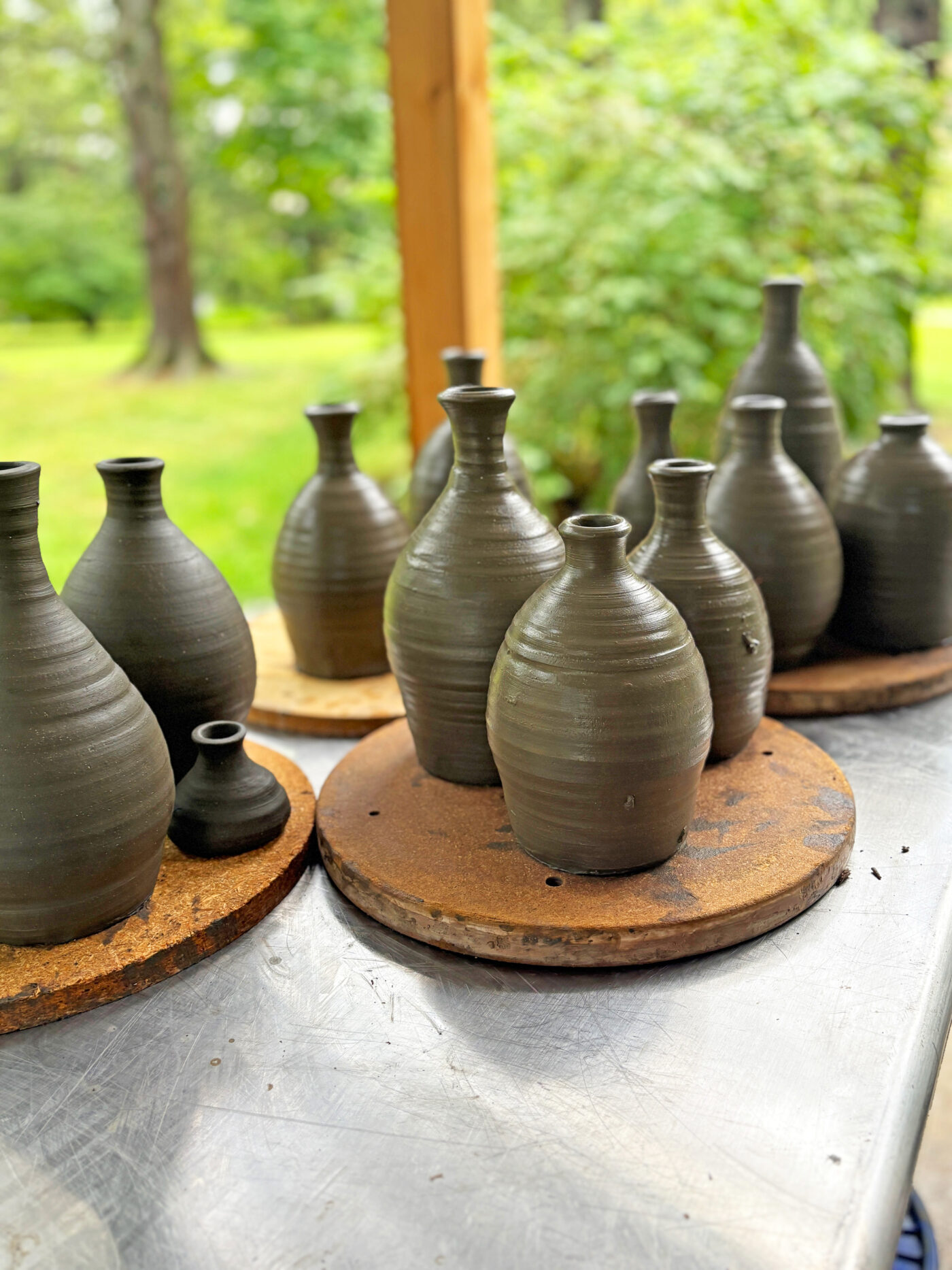
You can also heavily process wild clay, though this depends on your time, effort, and tools, says Small, who has processed wild clay by hand. “I personally like when there are some larger particles in my clay anyways. It adds character and the organic texture that I seek in my work,” she says.
Wild clay in the Hudson Valley
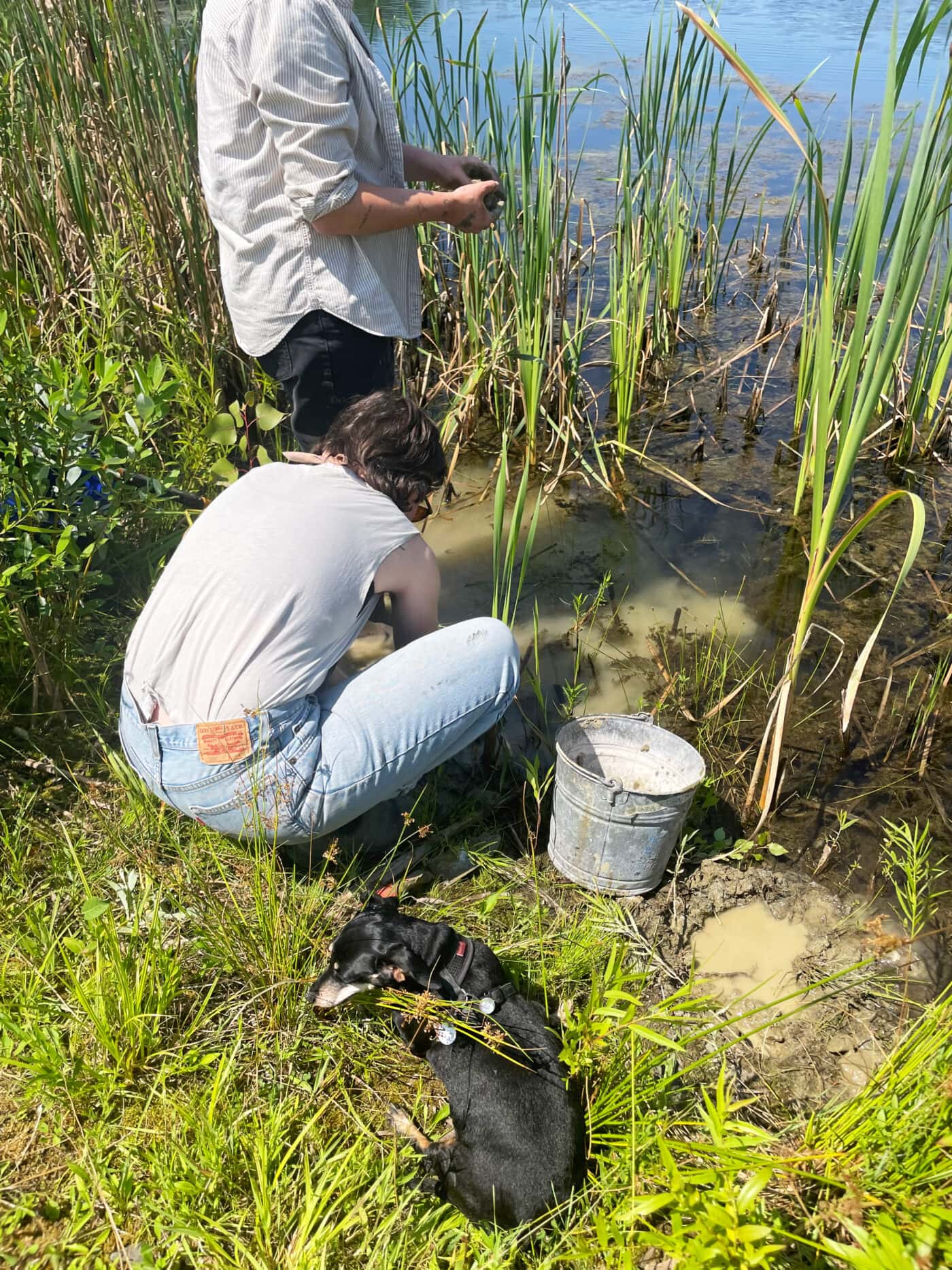
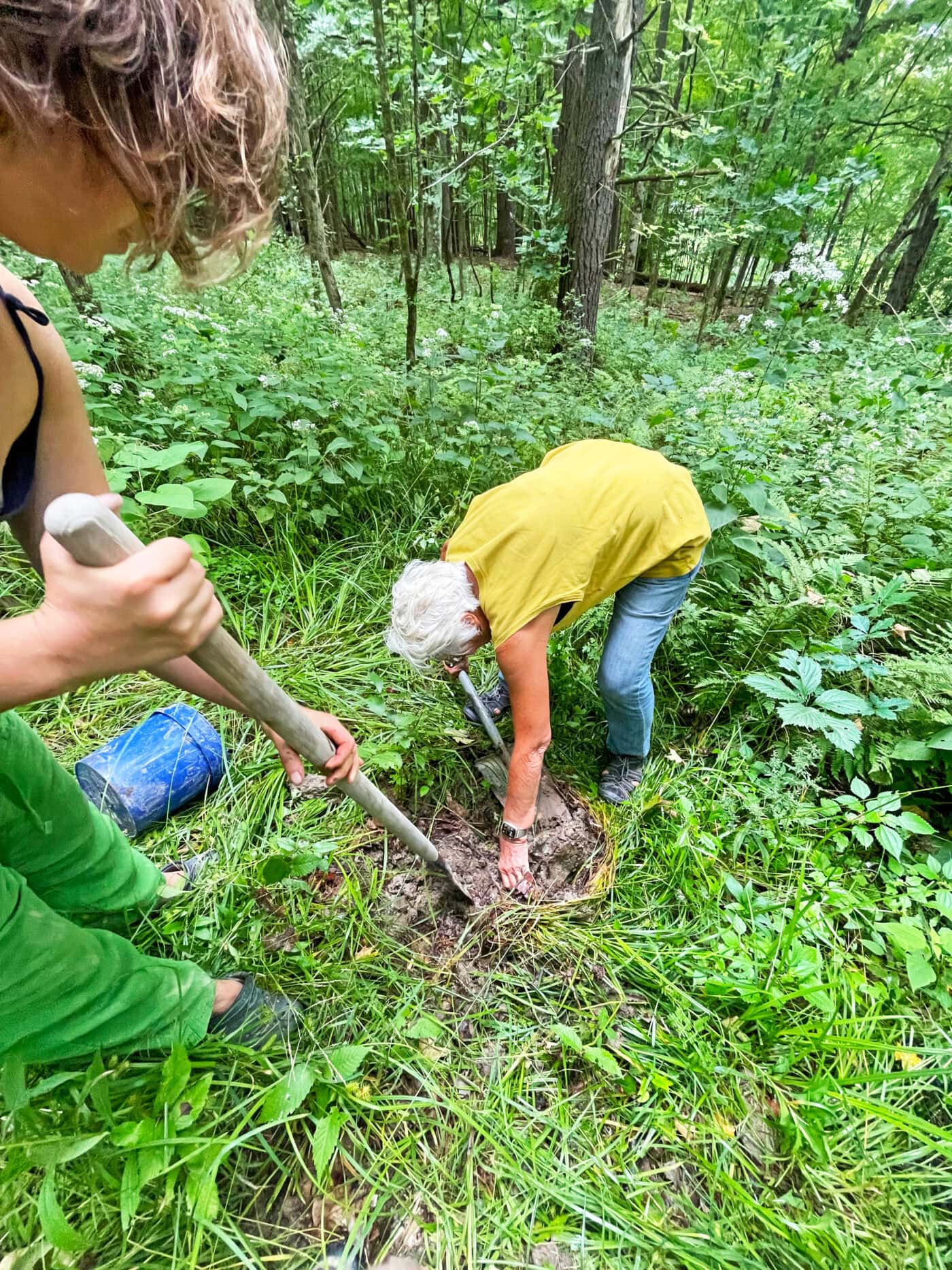
To find clay, find water. In other words, you can find clay along streams, creeks, or the bottoms of valleys where water has run down. Even then, the clay will vary from one location to the next. “All clay you find is going to be different, even if you’re half a mile from where you’ve dug clay before,” Moldover explains.
As a natural resource, however, clay should be mindfully and responsibly sourced. “It’s not legal to dig on public land in most cases, and most people aren’t going to let you dig on their property,” says Small. Moldover thinks similarly, adding that it comes down to property lines and ensuring you have permission to dig. So a good bet is to connect with friends and neighbors who live near sources of water.
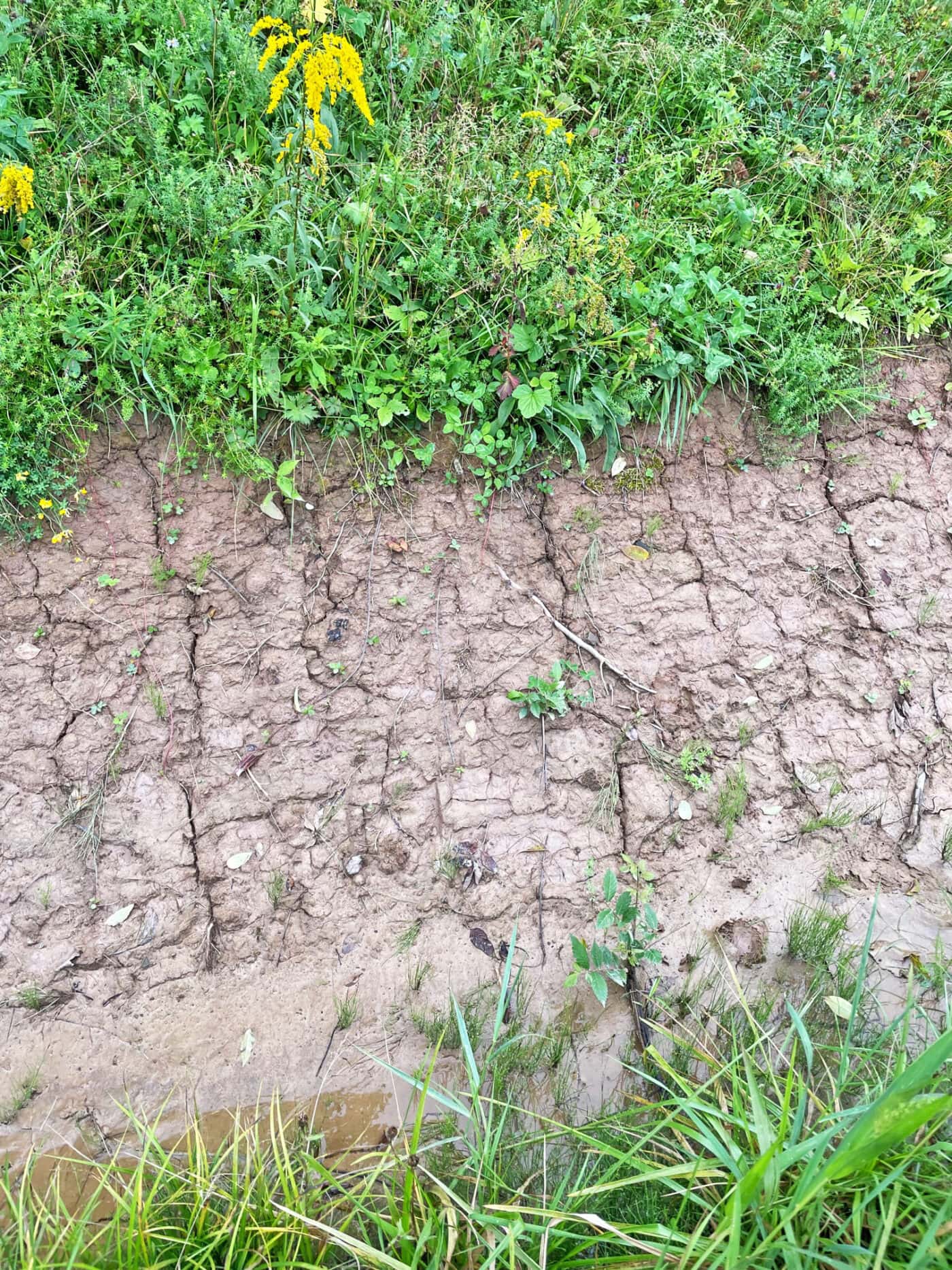
You might want to check your yard, too. Look for cracks in the earth, which happen when clay shrinks, says Moldover. Clay also holds its shape, so you can search for footprints, animal prints, or tire tracks embedded in the ground. “Rain would wash away a muddy footprint, but it won’t wash away a clay footprint,” he says.
“It’s also important to learn and acknowledge the Native tribes to whom the land belonged to before it was stolen and ‘owned,’” says Small, adding that Native peoples have a long history with clay and pottery.
Playing with natural clay
If you think you’ve found clay (and you’re able to dig), you can do a quick “coil test,” says Small. Simply roll a tiny bit in your hands into a snake or coil. If you can bend the snake — like a mug handle — and it doesn’t break, you’ve found yourself some nice clay, she says.
“You can play and build with the clay that you find, but to fire it you’ll need access to a kiln, a pit fire that reaches a very high temperature, or a handmade outdoor kiln,” explains Small. That’s because wild clay won’t permanently hold its shape if you air-dry it. “In fact, you can just rehydrate it back into wet clay,” she says.
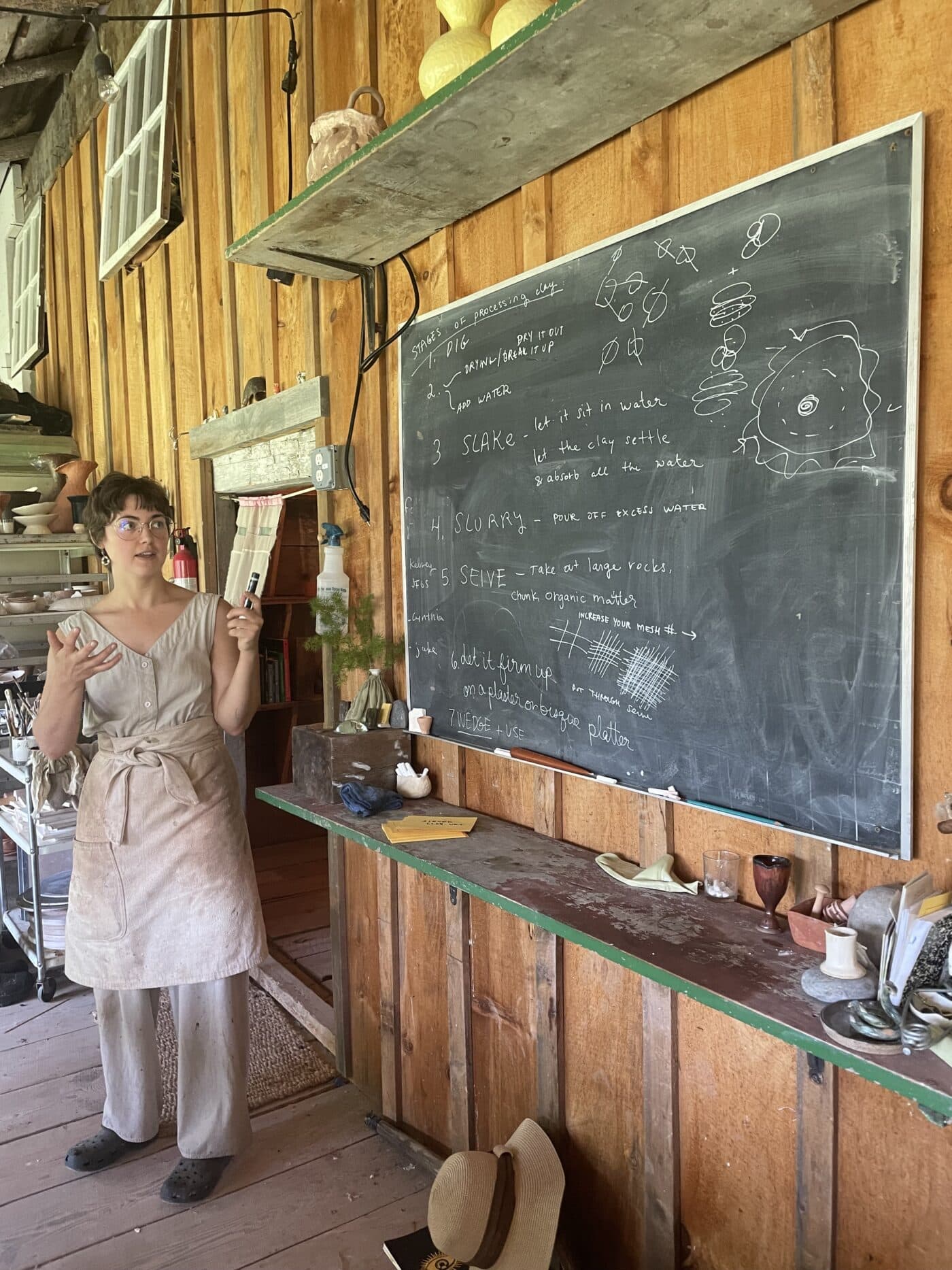
If you’re interested in working and sculpting with wild clay, consider taking a workshop for hands-on guidance. “There are places like The Oki Doki Studio in Germantown that offer workshops on wild clay materials and different firing methods,” says Small. Moldover also leads immersive wild clay workshops via The Newburgh Pottery, where he demonstrates how to source, process, and test the material.
Otherwise, the next time you’re exploring the Hudson Valley, keep an eye out for clay in nature. You never know what you might find along the water — or in a friend’s backyard.