


The Hudson Valley is washed in color, especially during the warmer months. That offers a seasonal delight for locals and visitors alike — but for creative minds, it also provides a unique opportunity to play with nature’s palette.
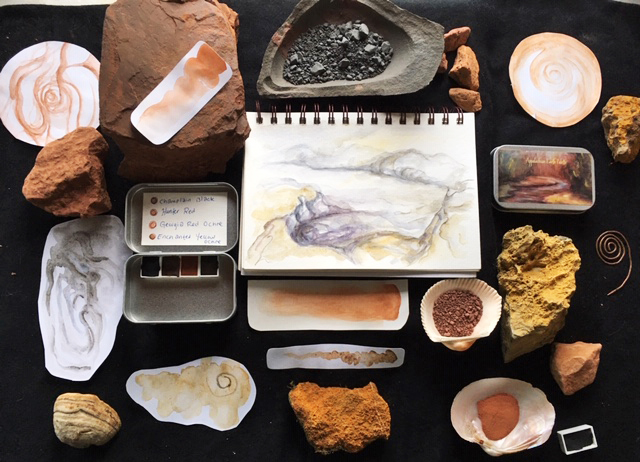
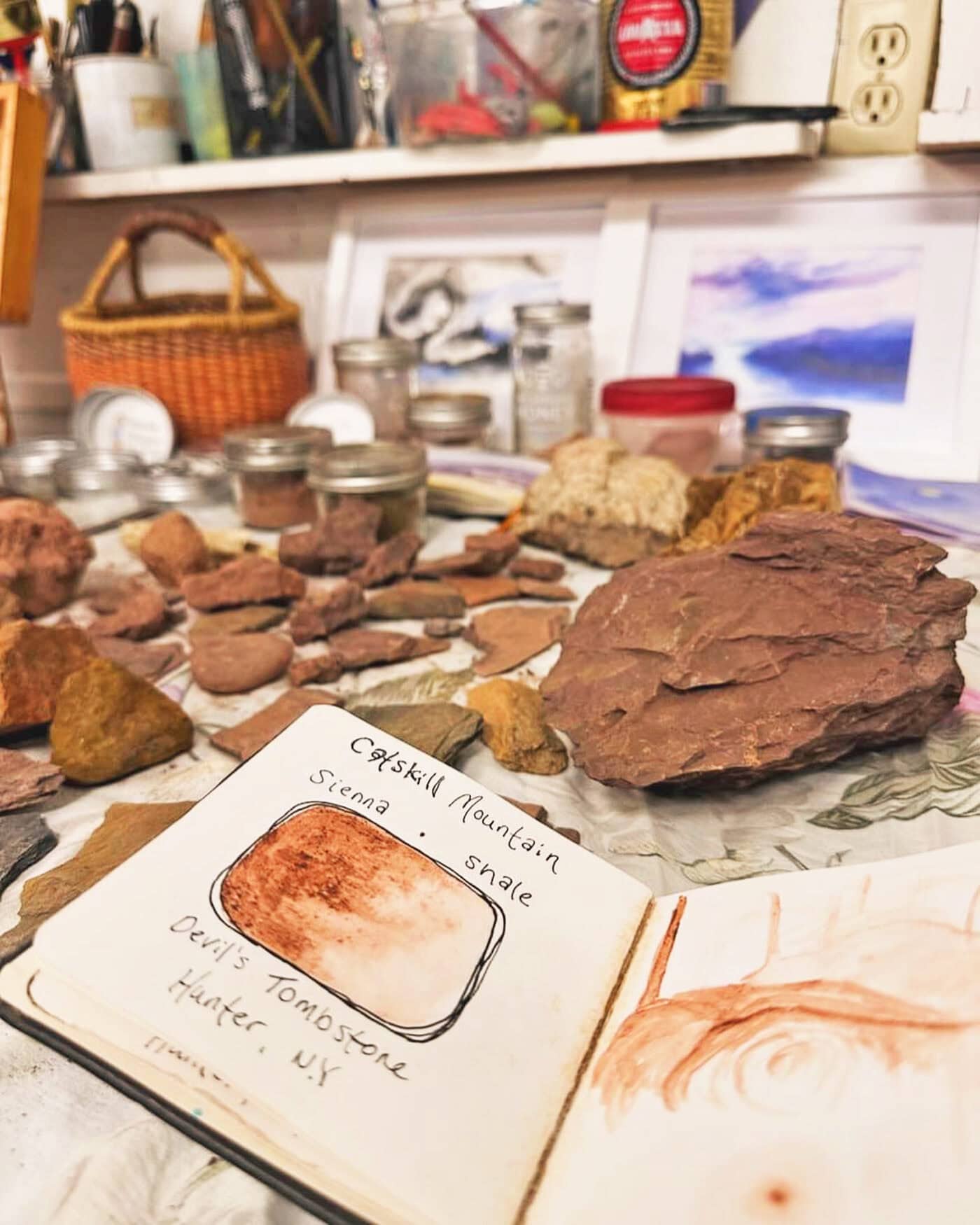
For artist Laura Leigh Lanchantin, this looks like creating handmade watercolor paints using minerals from the Catskills — something she was drawn to do by her stonemason father.
“I grew up in a stone quarry, so that’s where the inspiration came from,” Lanchantin says. She also enjoys painting landscapes using the actual earth of the land she’s painting.
Likewise, textile designer Alison Charli Smith turns to nature for making pigments, using plants like goldenrod and pokeberry. Although historically, paints and dyes were most often drawn from natural materials, today it’s so taken for granted that paints are synthetic that “people are always amazed at the range of colors that can be created from plants,” Smith says.
Exploring the valley’s creative resources
Take a trip to the Catskill Mountains, and you’ll find loads of minerals that lend themselves to pigment making. Lanchantin mainly finds her materials in elevated areas like Tannersville and Hunter Mountain, where she collects clay and shale to make paint. “There’s a lot of iron-rich hematite and red ochres in the Catskills, so that’s where I get a lot of my inspiration for my paintings and collect pigments,” Lanchantin says.
The region’s flowers and fruits can be transformed into beautiful pigments, too. “The Hudson Valley offers an abundance of materials for natural pigment making that grow wild throughout the spring to fall seasons,” says Smith.
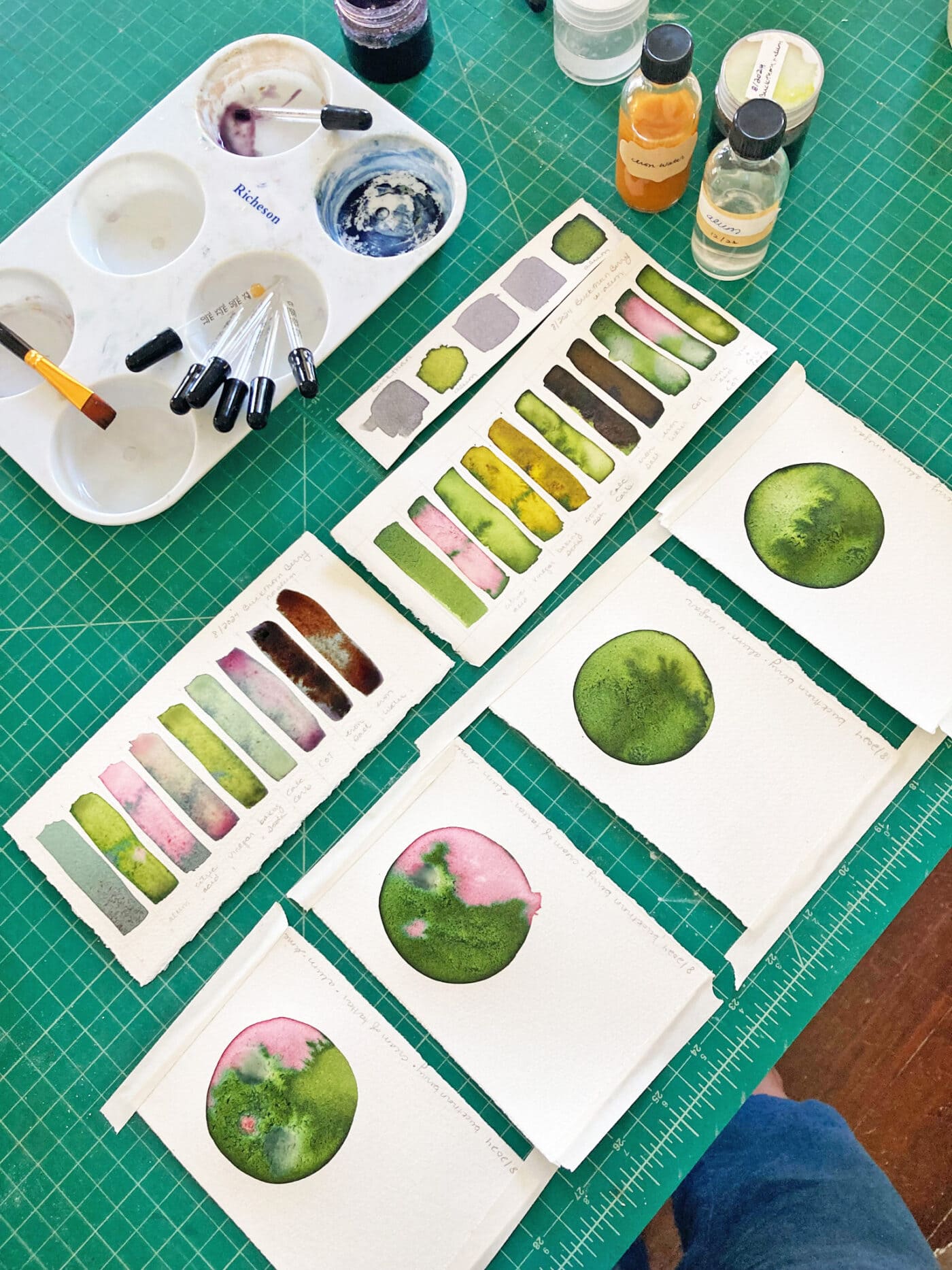
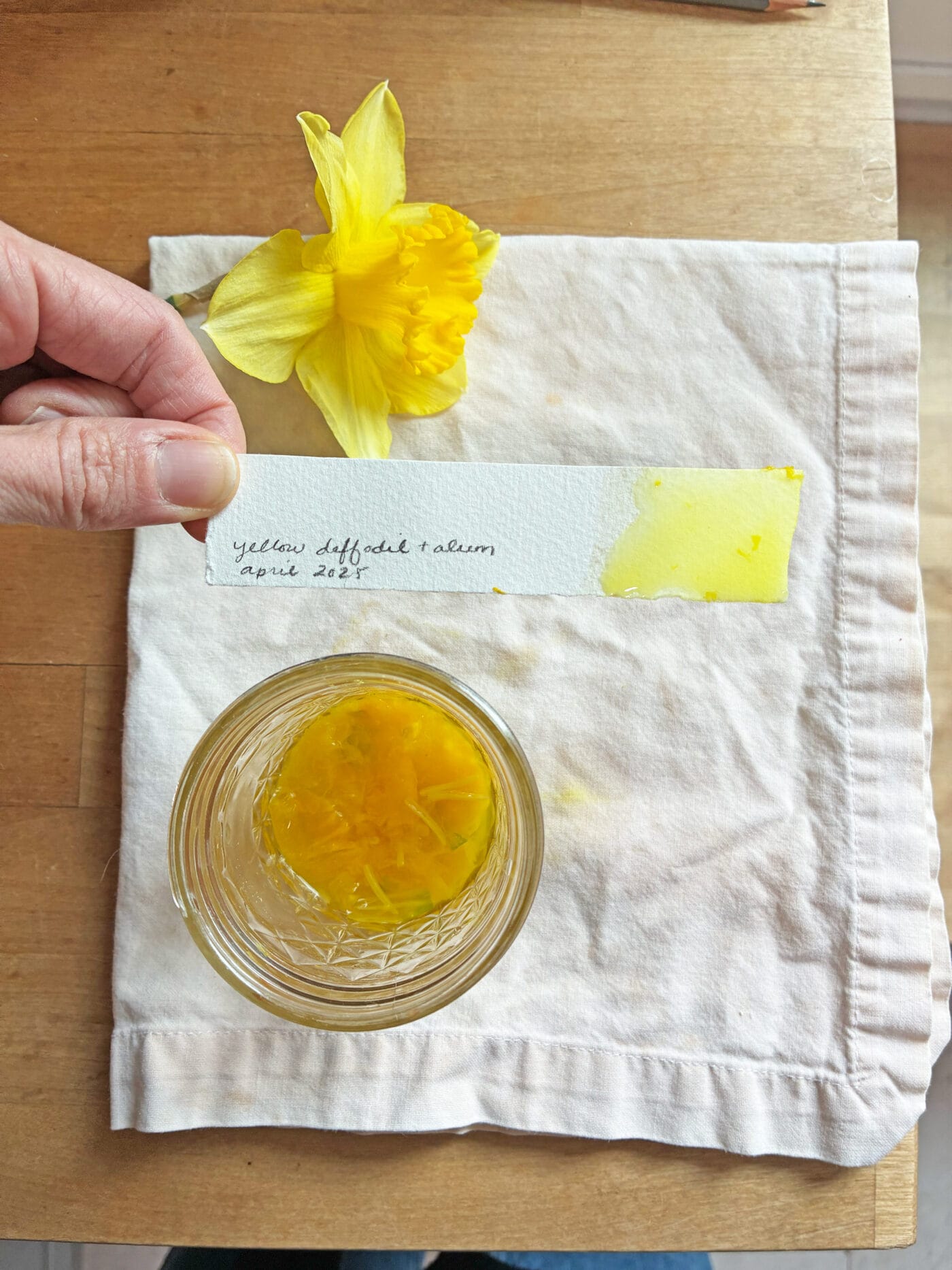
For example, June’s many mulberries can be used to create pinks, purples, and steely blues, Smith says. Come August, you can find wild grapes, which will yield purple-blues, pinks, and yellows. If you’re partial to yellow, search for Queen Anne’s lace for pale tones and goldenrod for vibrant ones. Buckthorn berry, which thrives in late summer and early fall, is known for its incredible green pigment, while fall’s walnuts make rich browns and blacks, says Smith.
Sourcing natural materials mindfully
If you’d like to try making natural pigments, it’s vital to source materials responsibly. Start by looking in your own yard for clay, walnuts, flowers, or berries. You can also ask friends and neighbors for permission to forage on their property.
For botanical materials, you’ll need to identify plants with an app or book, Smith says. “It’s helpful to know if the plant is poisonous for our safety and how the plant interacts with the local ecosystem for the environment’s safety,” says Smith.
Take pokeberry, for example. With bright magenta stems and dark purple berries, the plants make wonderfully colored pigments, but they’re poisonous to humans, says Smith. This means you’ll need to follow extra safety measures while collecting and extracting their pigment.
And though pokeberries grow abundantly and aggressively in our area, they’re also a food source for many birds and small mammals — so foraging them responsibly is important, according to Smith. “Good guidelines to follow include never foraging for more than what you need and never taking more than 5-10% of a specific plant in an area you are foraging in,” explains Smith.
Making pigments naturally
After collecting minerals, you’ll need to crush the particles into a fine powder. Alternatively, for botanical pigments, the process involves gently heating the dye materials in water, then reducing the water to make an ink, Smith says.
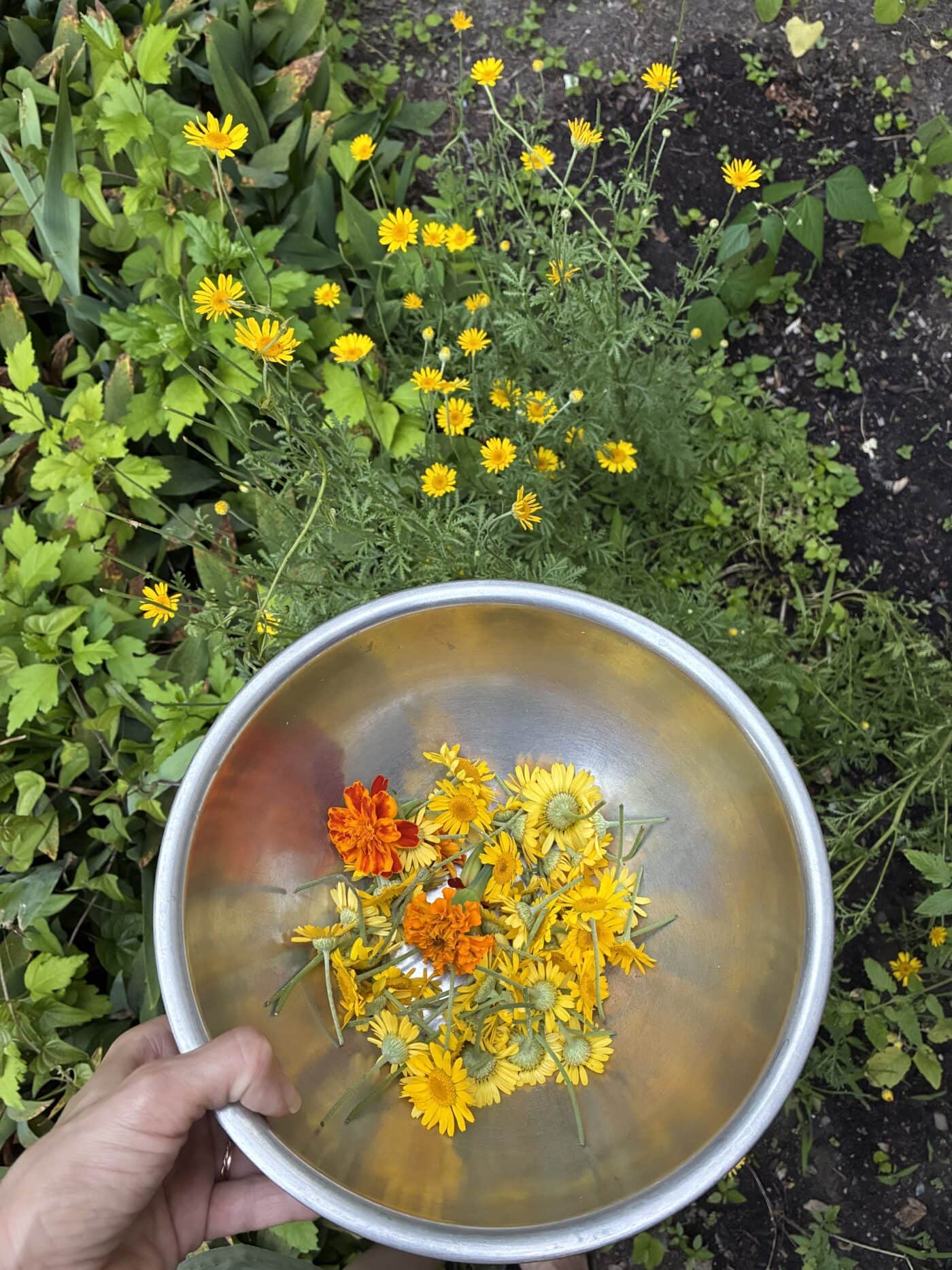
The following steps depend on whether you’re making ink or paint. But generally, you’ll need to mix the pigment with gum arabic, which will help it stick to paper.
You can also incorporate other ingredients to change the pigment’s qualities. For instance, adding modifiers to natural inks will shift their color. An example is alum, which will brighten and strengthen the ink’s color and increase its lightfastness (ability to resist fading or discoloration when exposed to light), says Smith. Even standard home ingredients, like lemon juice or white vinegar, can be used as modifiers. “This is truly where the art, magic, and science of natural pigments all come together,” she says.
If you’re feeling creative and curious, consider taking a natural ink making or handmade watercolor class. Lanchantin teaches classes throughout the Hudson Valley, as well as around the country. In her workshops, she shares the step-by-step process of making watercolor paints from natural minerals, and everyone leaves with their own watercolor palette they can use at home, she says.
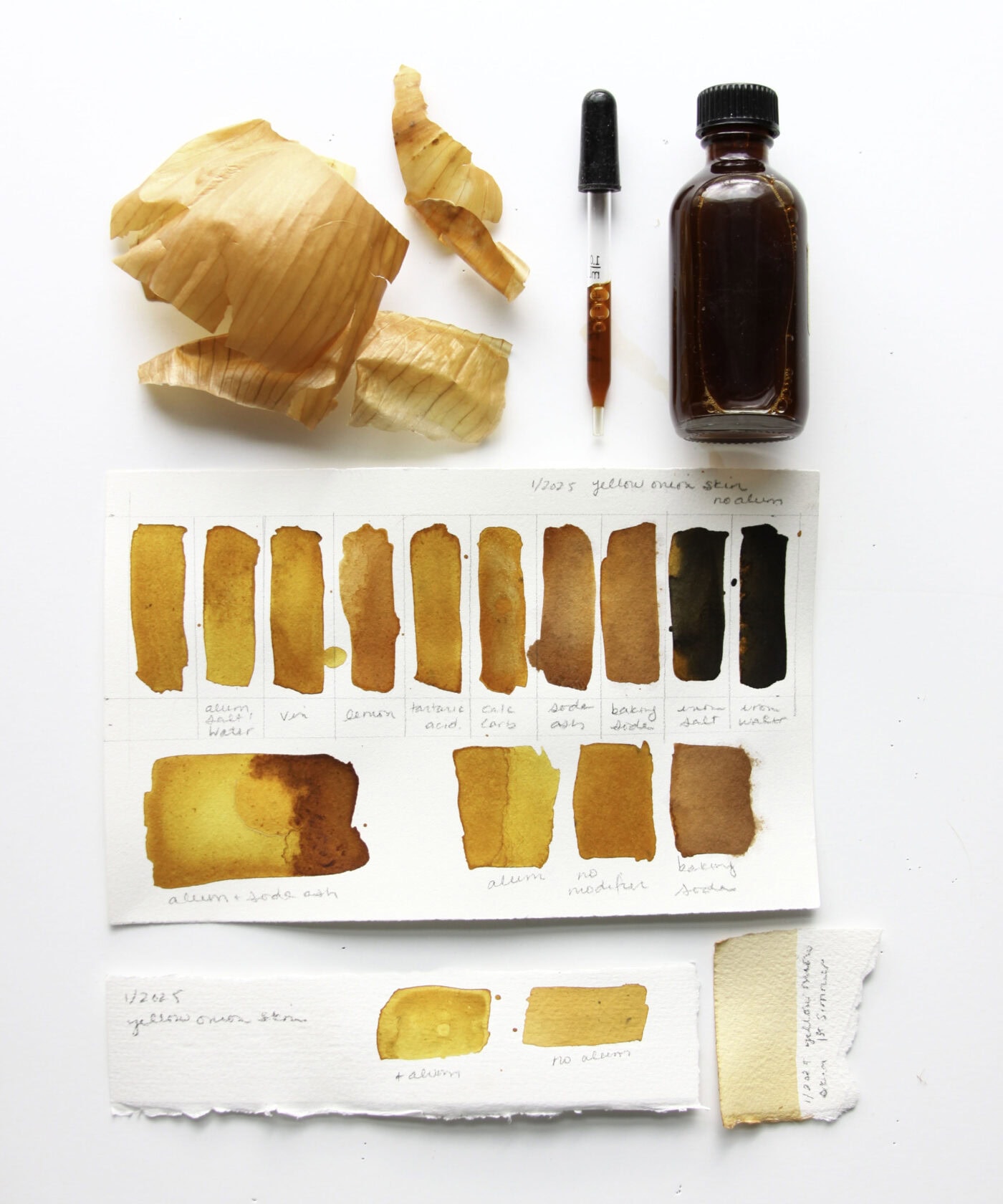
“It’s very grounding and very meditative, and brings you back to the earth,” says Lanchantin. “A lot of people have told me [that] it’s very therapeutic to work with these pigments.”
Similarly, for Smith, her favorite part of working with plants is how it’s made her more attuned to nature. She also notes that working with natural pigments keeps you open to surprises. “Just because a flower is pink does not mean it will create a pink pigment,” she says. “A berry may create a very bold color but it might not be lightfast so you have to enjoy its vibrancy in the moment.”
She adds: “Making color with plants is also a reminder that plants are alive and much like us, they have their limitations and life cycles.”