


Who doesn’t love a breath of fresh air? Everyone does, of course. That “everyone” goes beyond humans, and even to creatures that don’t breathe. Though the pollutants prolific to our day and age make a clean breath harder to come by. Ulster County has poorer air quality than 61% of counties in New York, and this is expected to worsen as the climate warms. Yet there are signs you can see before and as this happens.
One such curious, breathless organism is found throughout the Hudson Valley: lichens. Given the area’s inviting forests and imposing cliffs, you’d be forgiven for not thinking much about them. They appear as everything from teal rosettes on tree bark to discolored patches on stone. Lichens are sensitive, slow-growing lifeforms that are equal parts beautiful, fascinating, and helpful.
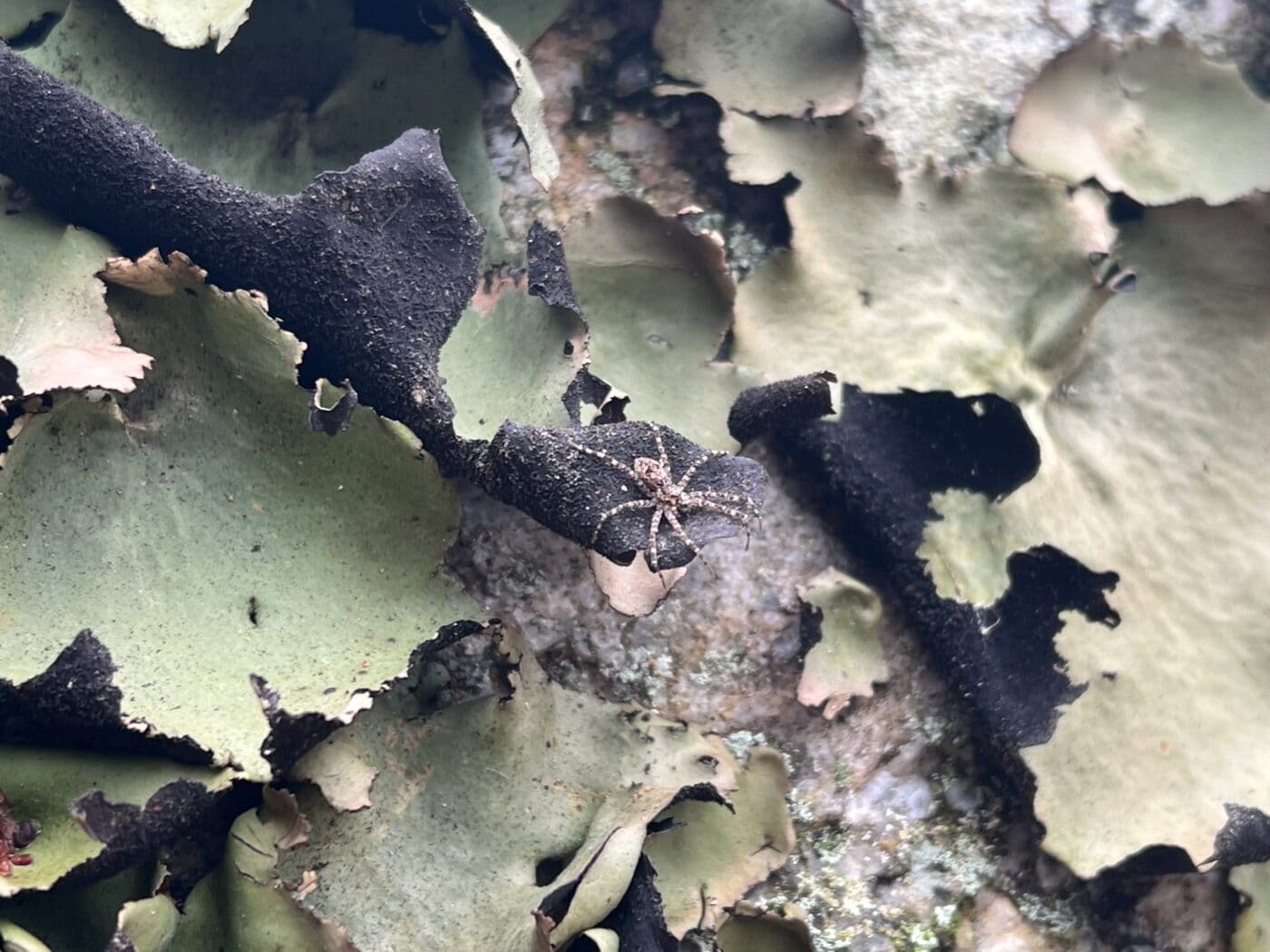
At a glance, lichen looks like a stain. Lichens are not actually individual flora, but something much more complicated to categorize. Lichenologist Thomas Hawkes Nash III has described them as “symbiotic organisms in which fungi and algae form an intimate biological union.” These unique organisms live together mutualistically and form a single unit. Dominating the partnership, the fungi create filaments that house the algae, providing structure and protection. Meanwhile, the algae absorb sunlight to create energy.
Lichens come in countless forms and colors. Their diversity paints a rich tapestry upon the cliffs of Minnewaska State Park Preserve. In wet areas less touched by rock climbers, the mountain faces form a gallery that is host to a forest of leaf-like formations. Sections of the Peter’s Kill area, in particular, have both easy access to and spectacular views of these organisms.
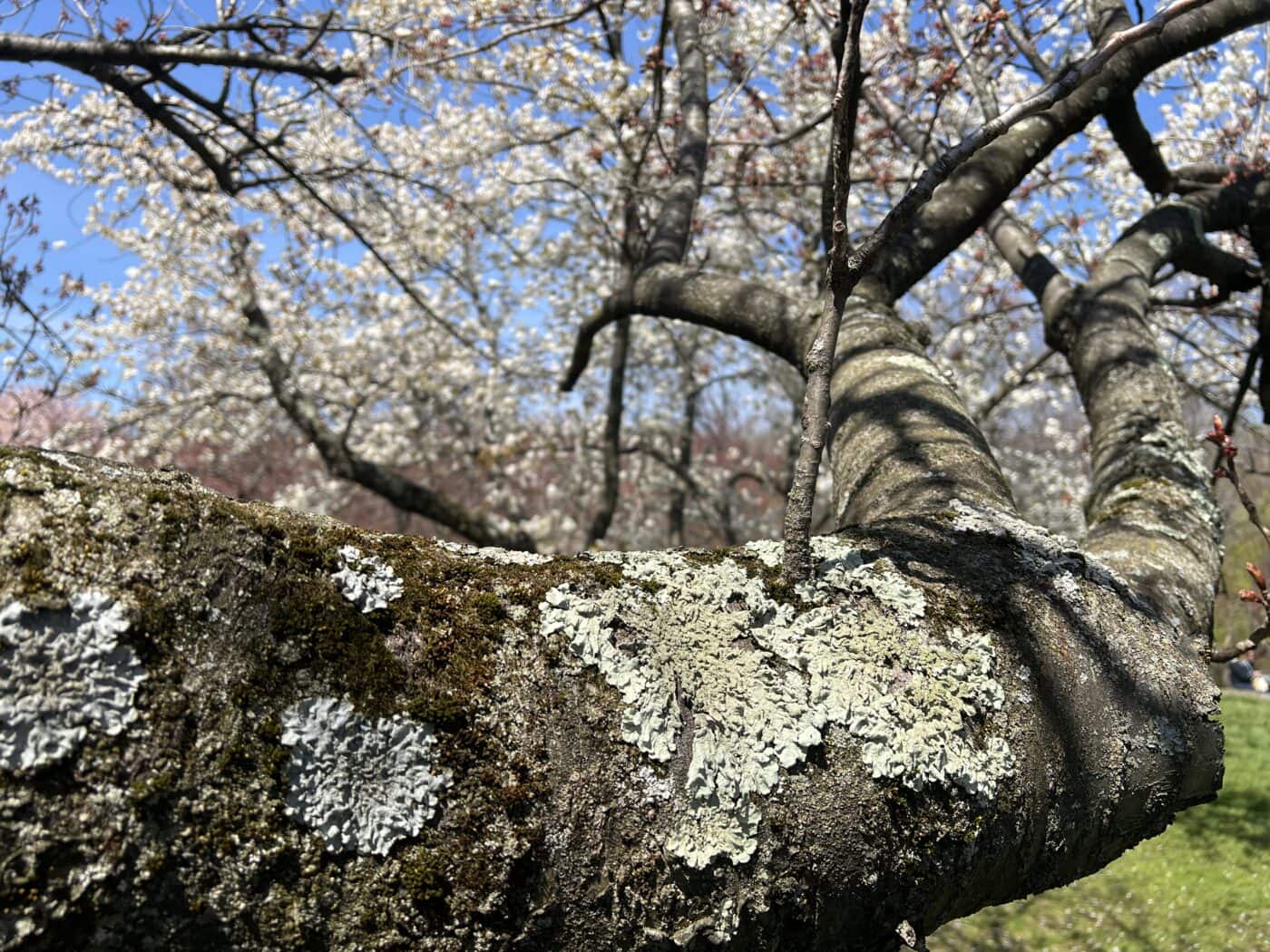
Lichen can grow on trees, rocks, or even concrete and rusty metal. Despite this resilience, they are vulnerable to airborne pollutants. Formed by fungi, they do not have roots like most plants, taking in most nutrients from the air. As they breathe without exhaling, pollution builds up and can affect their growth. Minor exposure can bleach or stunt a delicate species, with long-term toxicity that leaves the area empty of lichen. This sensitivity makes them an exceptional, natural barometer for air quality. Susan Will-Wolf and several other ecologists call this trait the reason “lichens are key markers of air quality and environmental health.”
The composition of lichen can suggest the presence of airborne pollution. The reaction or absence of this indicator organism can suggest or identify a toxic irritator. To fully utilize lichen as a pollution indicator, however, you must be able to identify them. A proper identification guide is key for precise identification, but first, discover their basic forms.
- Crustose lichen form a thin layer on surfaces, appearing like splashes of dull paint. They have a slight, rough texture and are famously hard to remove physically.
- Foliose lichen form leaf-like sheets that hang slightly off the surface. These can be found on living trees and flat stone surfaces. They are the most obvious and are easy to remove.
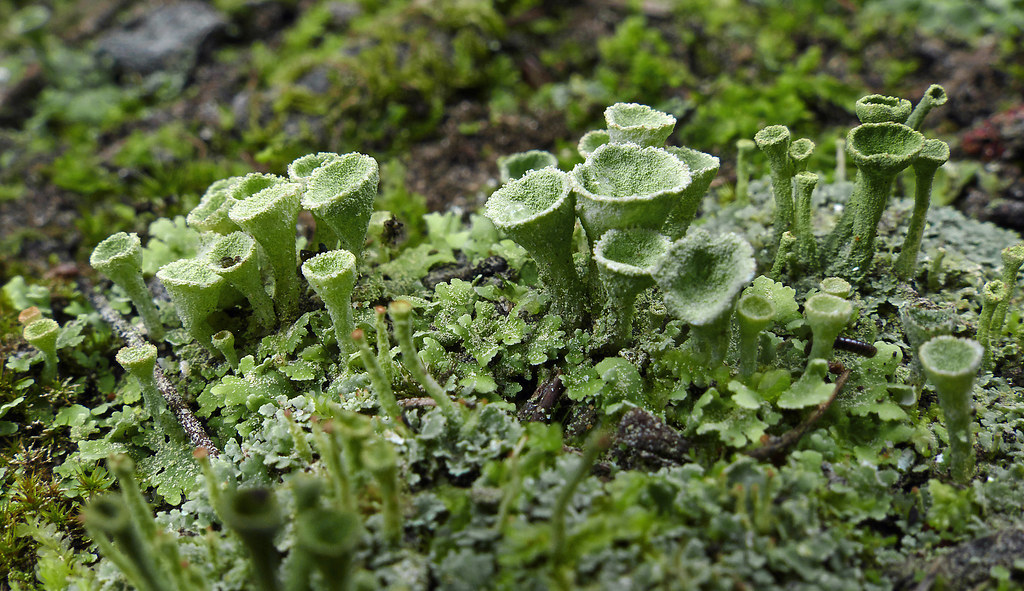
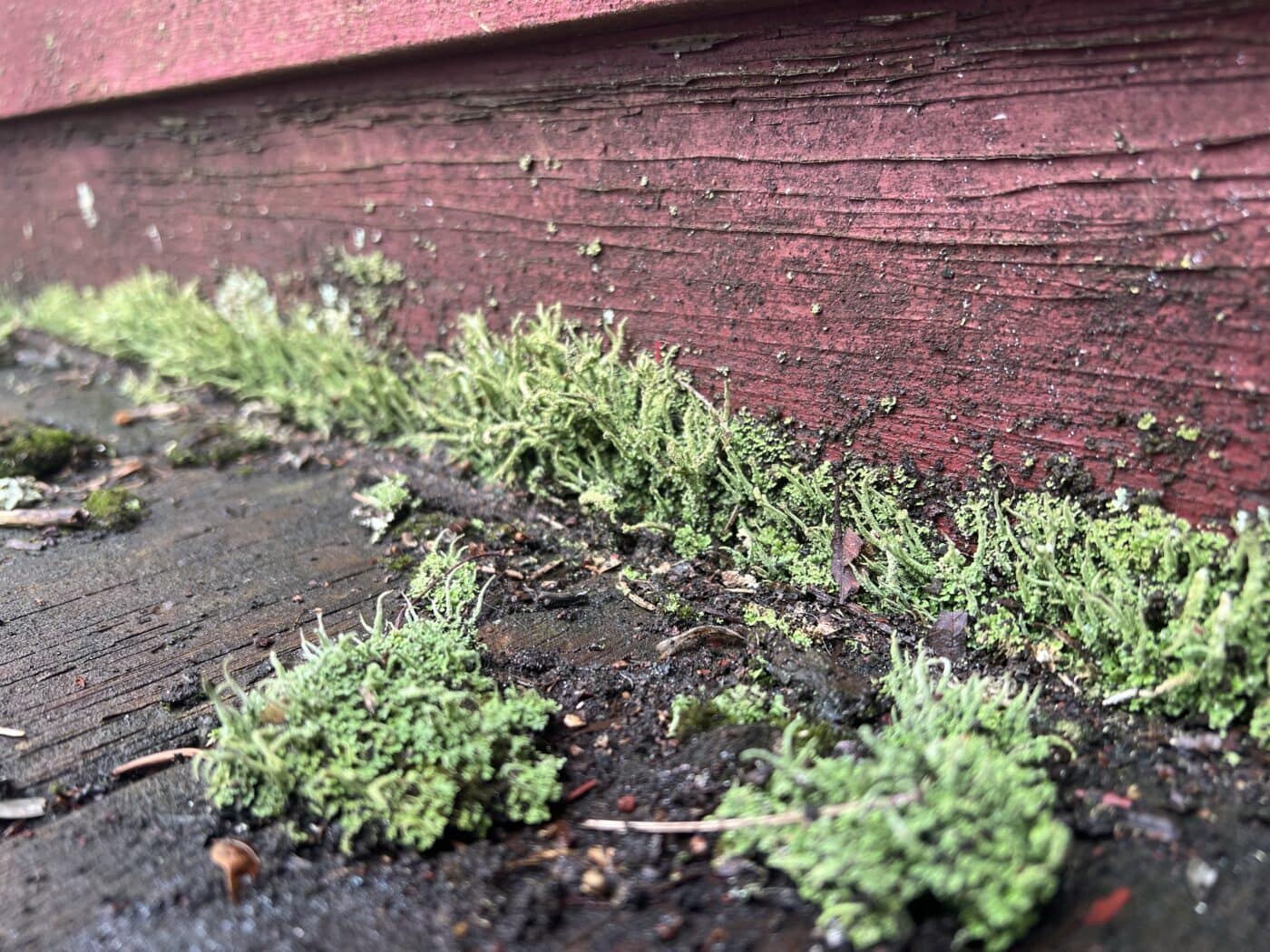
- Fruticose lichen form a complex bush of hair-like structures that can form pillows or hang down like a veil. These are more difficult to find and often look like moss.
Look to the trees and rocks. Next time you’re outside, examine the number and variety of lichens in places you go often. The more polluted the area, the less abundant and biodiverse the lichens are, since simpler forms are generally more resilient. Because lichens are slow-growing, their distribution acts as a living record of the area. Certain species even indicate the presence of specific pollutants.
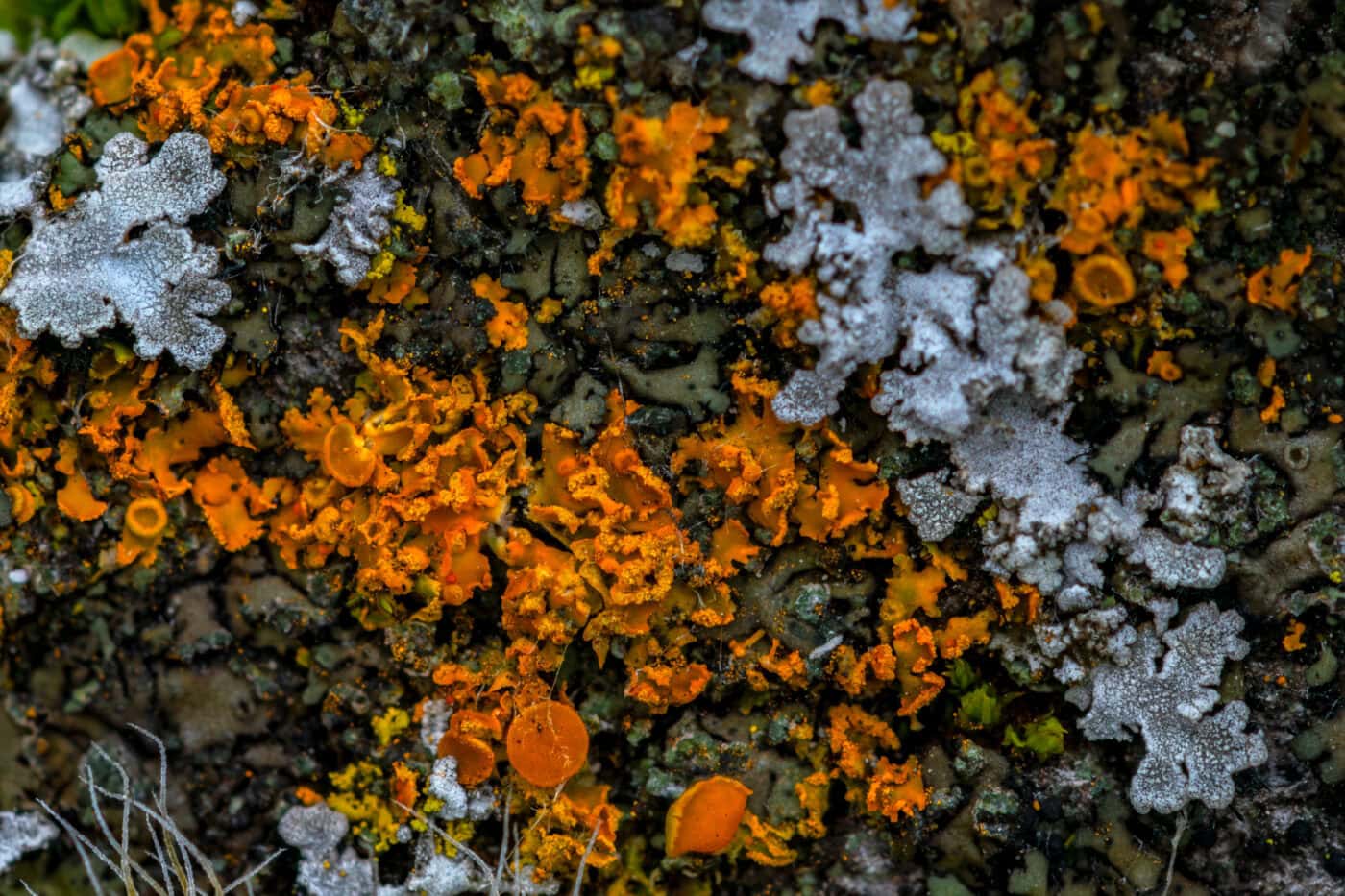
Sulfur dioxide has a clear effect on lichen, wiping out all but the most tolerant species. This was more prevalent when coal burning was commonplace in the Hudson Valley. While rarer nowadays, the practice still degrades the air and has left its mark on the area’s flora. Smog lichen, Lecanora conizaeoides, and tiny button lichen, Amandinea punctata, are crustose, grey-green patches pocked with dark spots. They grow on solid surfaces and are common close to train lines. Exceptional hardiness helps them survive poor air quality long after other species are driven out.
Nitrogen dioxide is a common pollutant generated by heavy car traffic in urban environments and by fertilizer in rural ones. It is linked to weakened respiratory immunity and lung inflammation. Interestingly, some lichen thrive in it; most often foliose varieties. Golden shield lichen, Xanthoria palietina, is identifiable due to its brilliant color and thrives near fertilizer use. Mealy rosette lichen, Physcia millagrana, is a common sight in cities like Albany or NYC. Both indicate concerning air quality if overly dominant without other species.
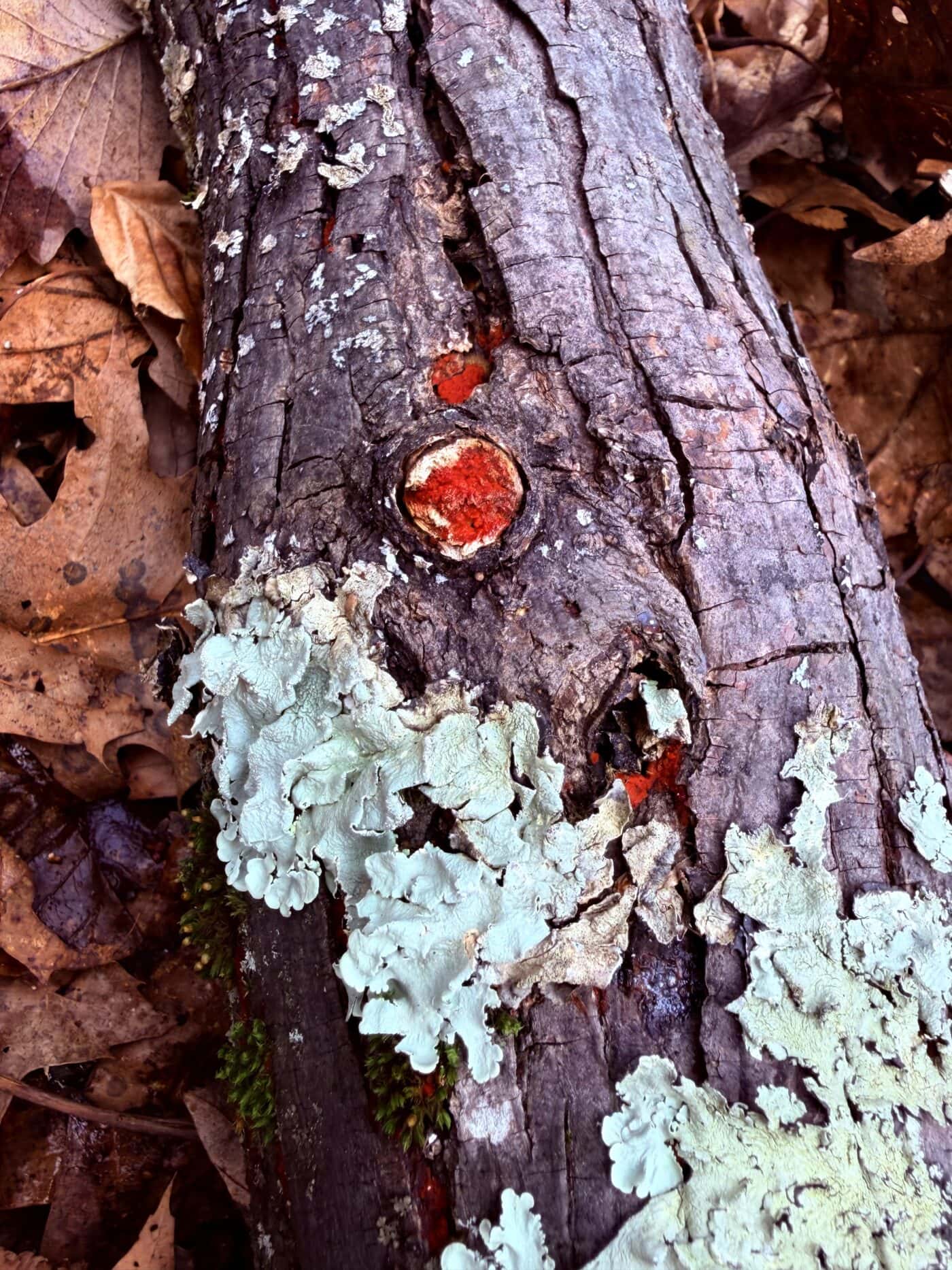
Yet lichen should not simply be seen as a sign of pollution. They serve as decomposers supporting various levels of the food chain and help to clean their ecosystems. Delicate groups, like the beard lichens, indicate purer air and are typically found deeper within forests.
Lichens have a great deal to teach us about the invisible threats of our world. They are quiet witnesses to the balance between the Hudson Valley and its occupants. Next time you’re outdoors, pay attention to the rough, leaf-like patches on rocks and trees. The patterns are revealing just what you’re breathing in.