
Tributary Farm (High Falls, Ulster County)
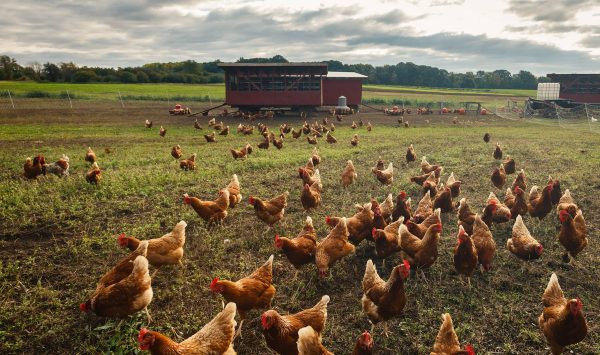
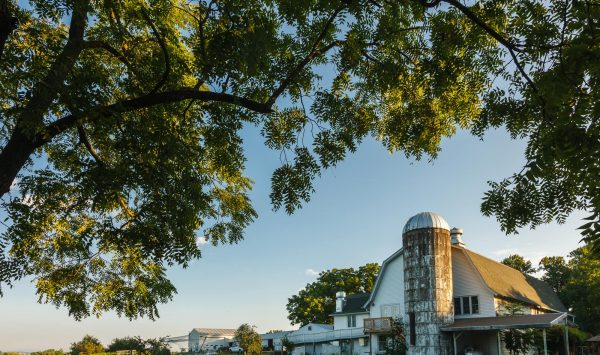
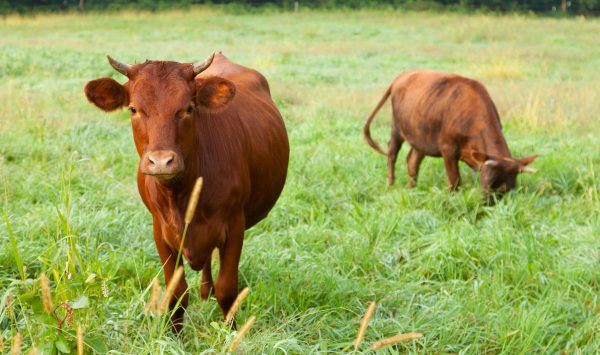
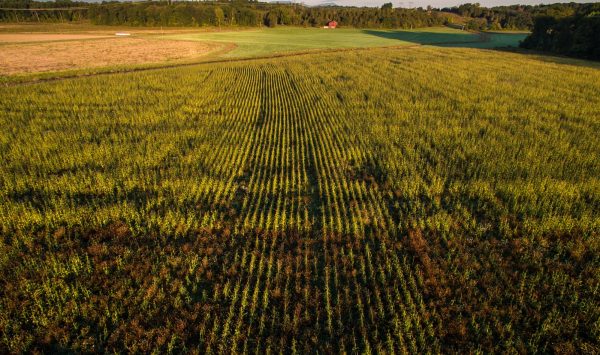
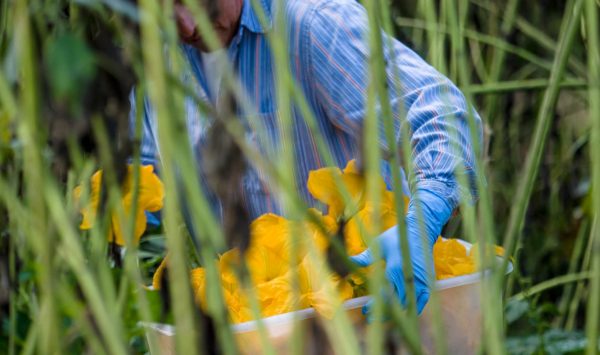
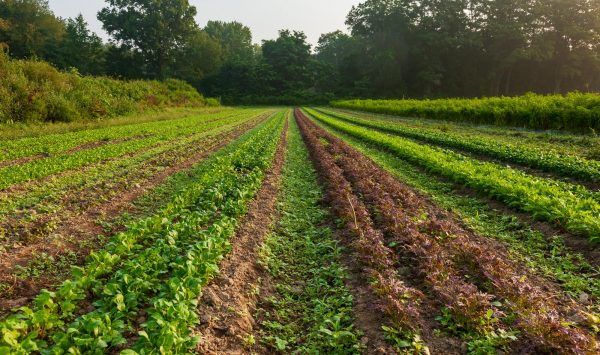
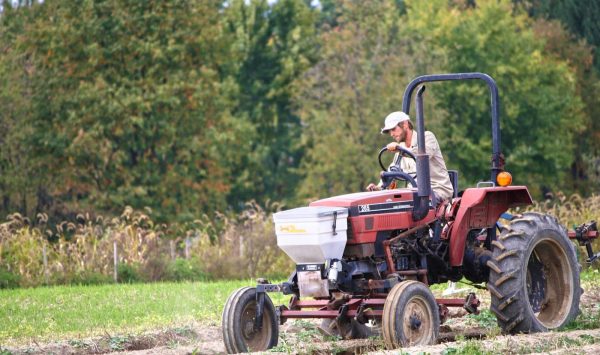
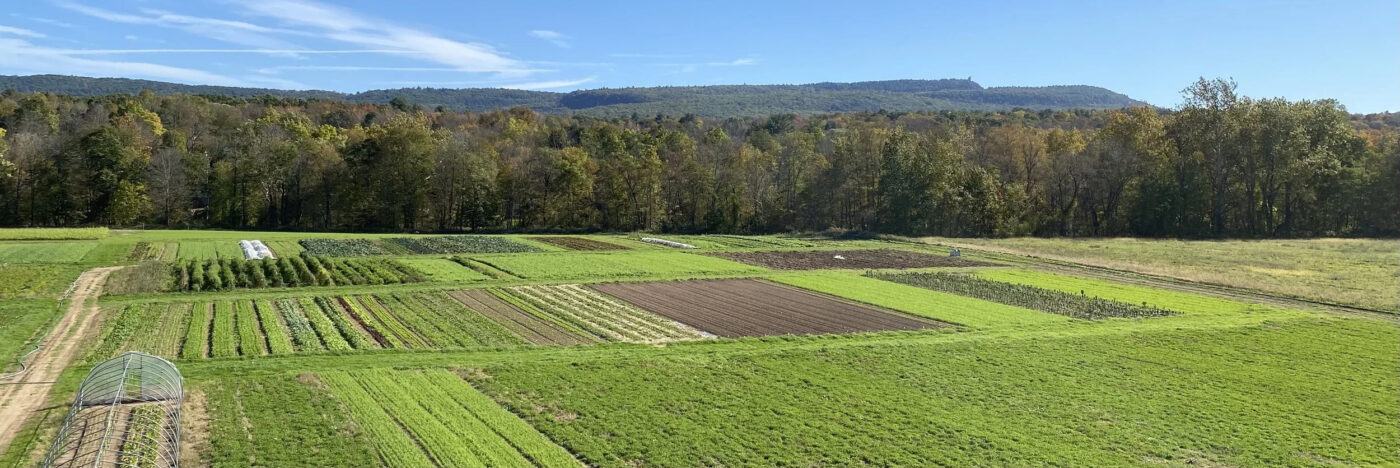
We partnered with a farmer to conserve this 83-acre farm, which uses organic and regenerative practices to grow more than 50 different crops and has an active Community Supported Agriculture (CSA) program. The land is now permanently conserved for farming and can continue supplying fresh, local food to the Hudson Valley. (2026)
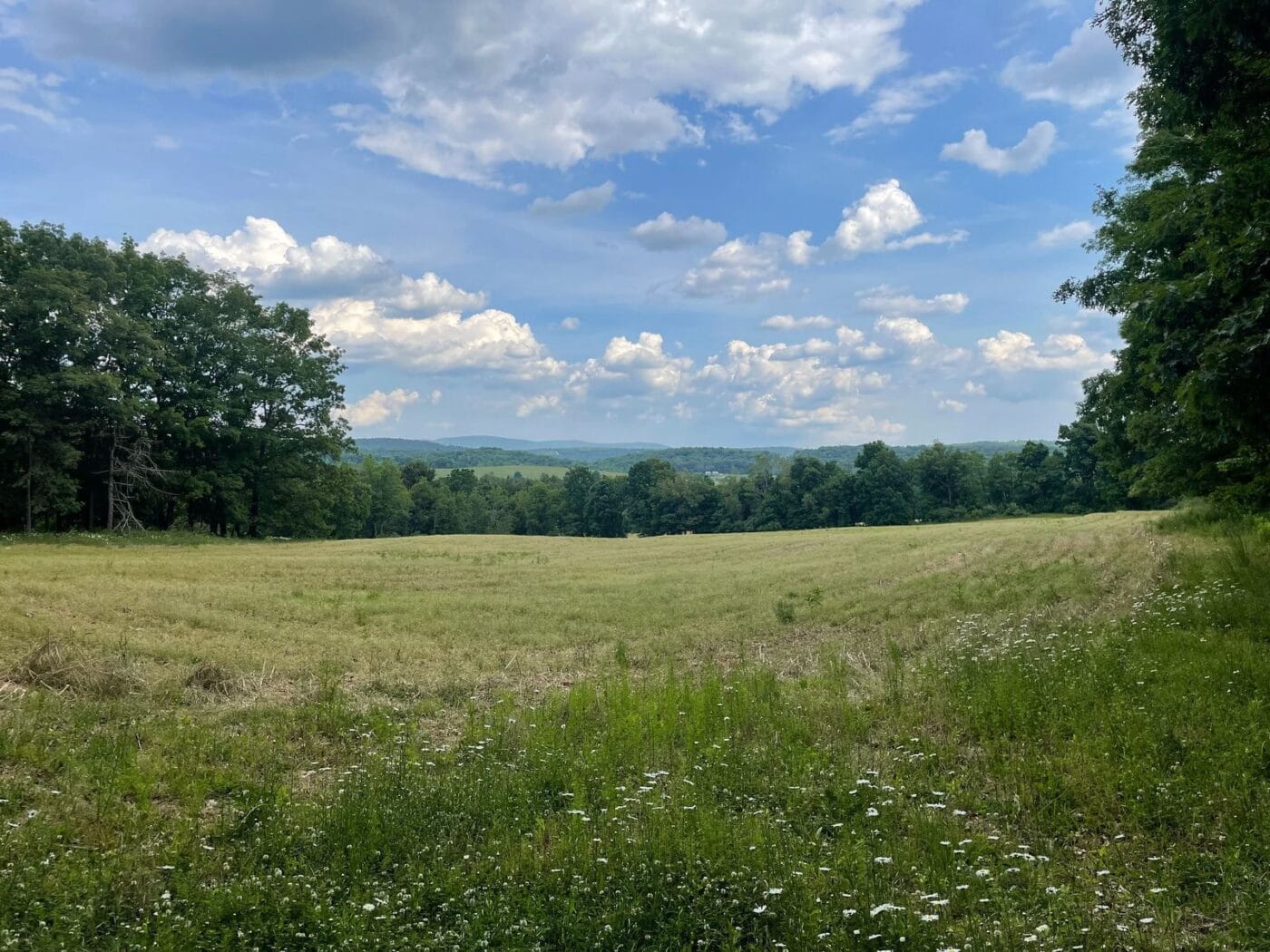
Christiana Farm (Taghkanic, Columbia County)
Scenic Hudson protected 400 prime foodshed acres in a designated agricultural district in the Town of Taghkanic that have been used as a working family farm since at least 1858. (2025)
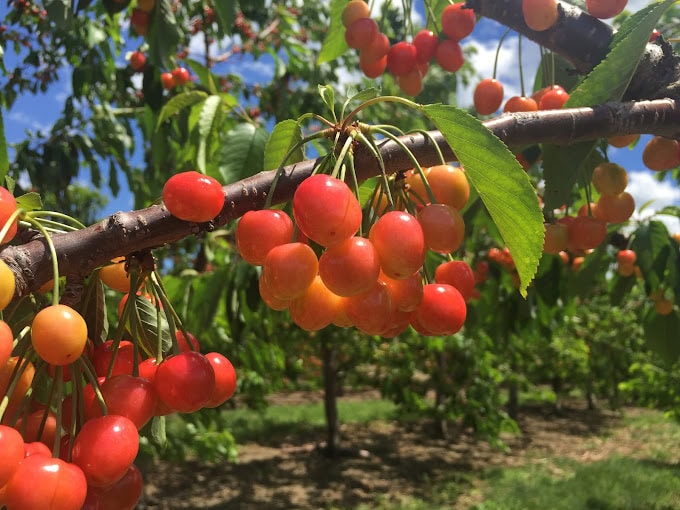
Samascott Orchards (Kinderhook, Columbia County)
Scenic Hudson and Columbia Land Conservancy partnered with the Samascott Family to conserve 535 acres, ensuring this 100 year old family farm it will remain active for generations to come. (2024)
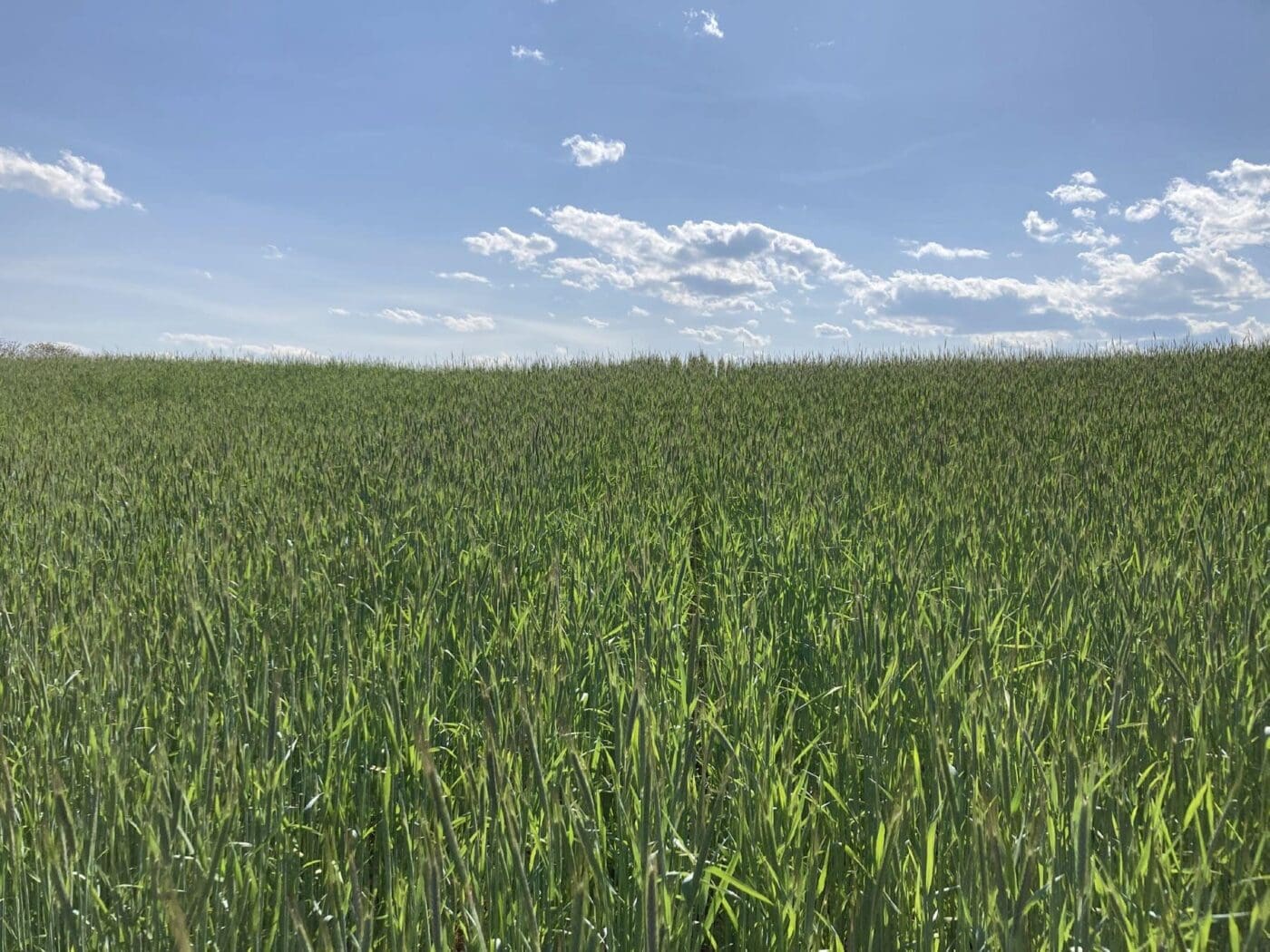
Cookingham Farmland (Red Hook, Dutchess County)
Supporting the town’s agricultural economy, providing a site for much-needed affordable housing, and creating new opportunities for outdoor enjoyment, the Town of Red Hook, Scenic Hudson, and the Dutchess Land Conservancy partnered on two transactions to protect 169 acres. (2023)
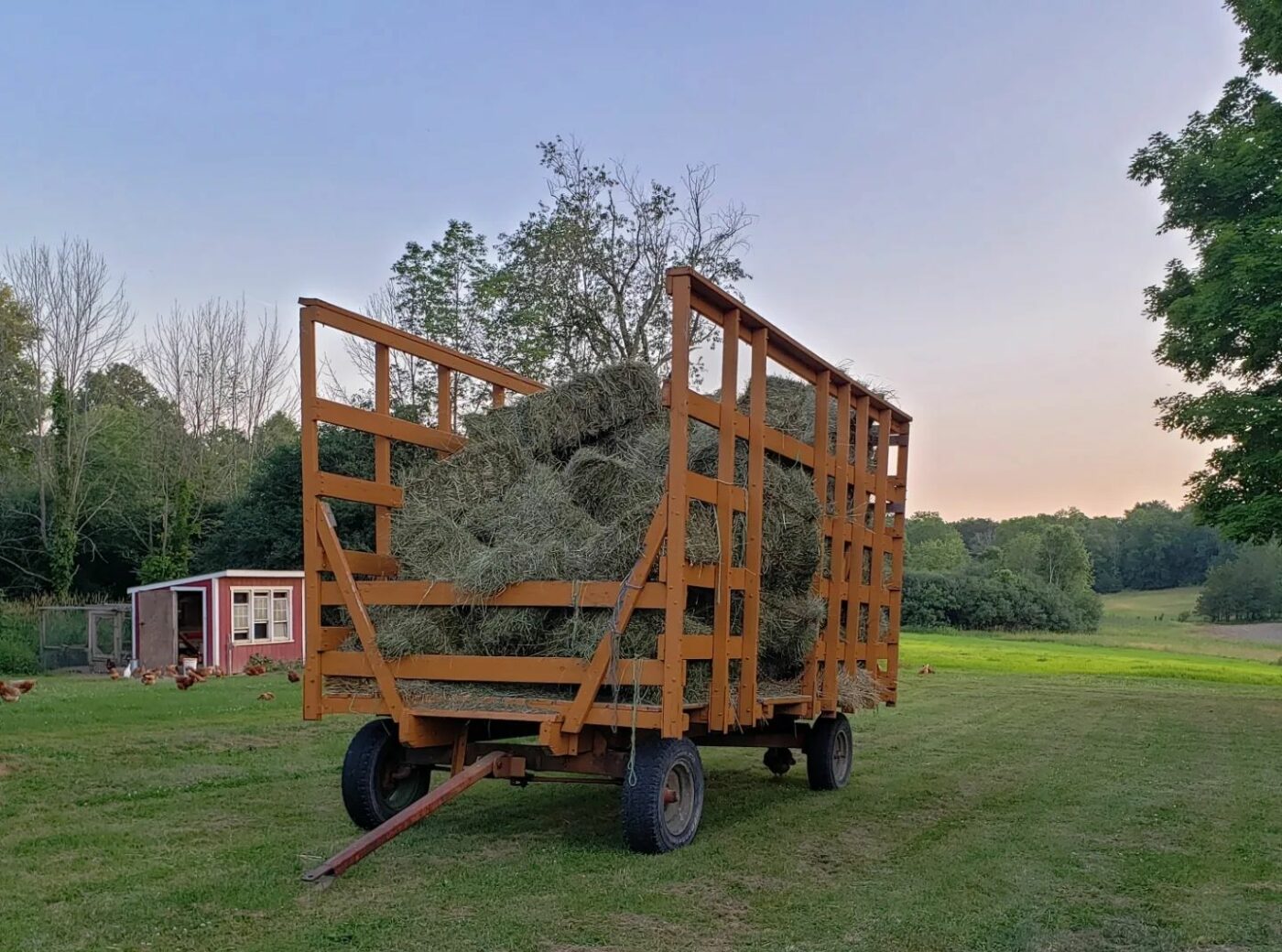
Wagon Wheel Farm (Goshen, Orange County)
The 58-acre Wagon Wheel Farm in the Town of Goshen was permanently protected from non-agricultural development thanks to a partnership with Orange County Land Trust. (2023)
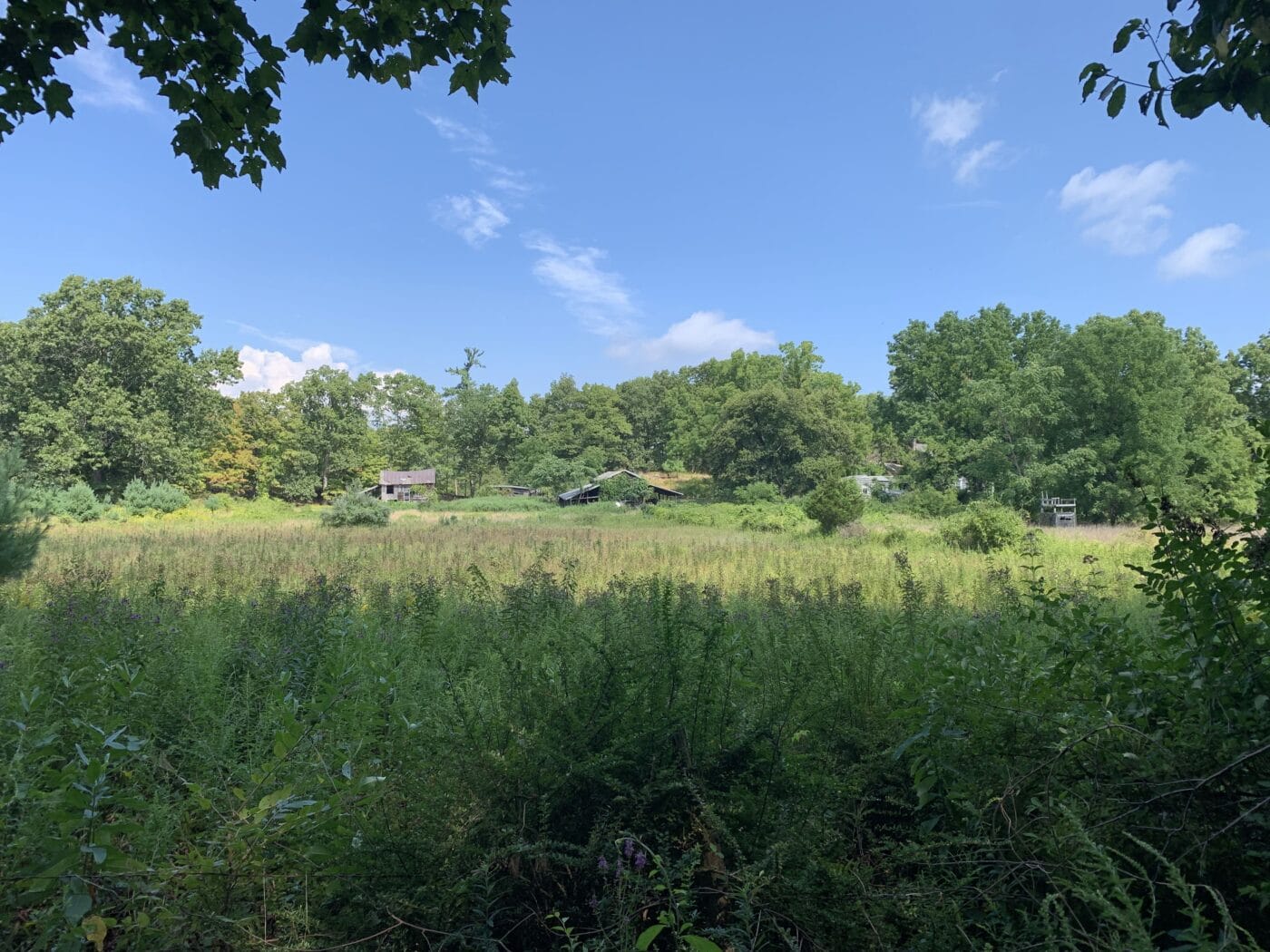
Land in Black Hands Initiative (Kingston, Ulster County)
We partnered with the Kingston Land Trust (KLT) to purchase 54 acres straddling the City of Kingston and the Town of Ulster. The newly protected urban farm will be used as a dynamic hub for education and housing for farmers as part of KLT's Land in Black Hands initiative. (2024)
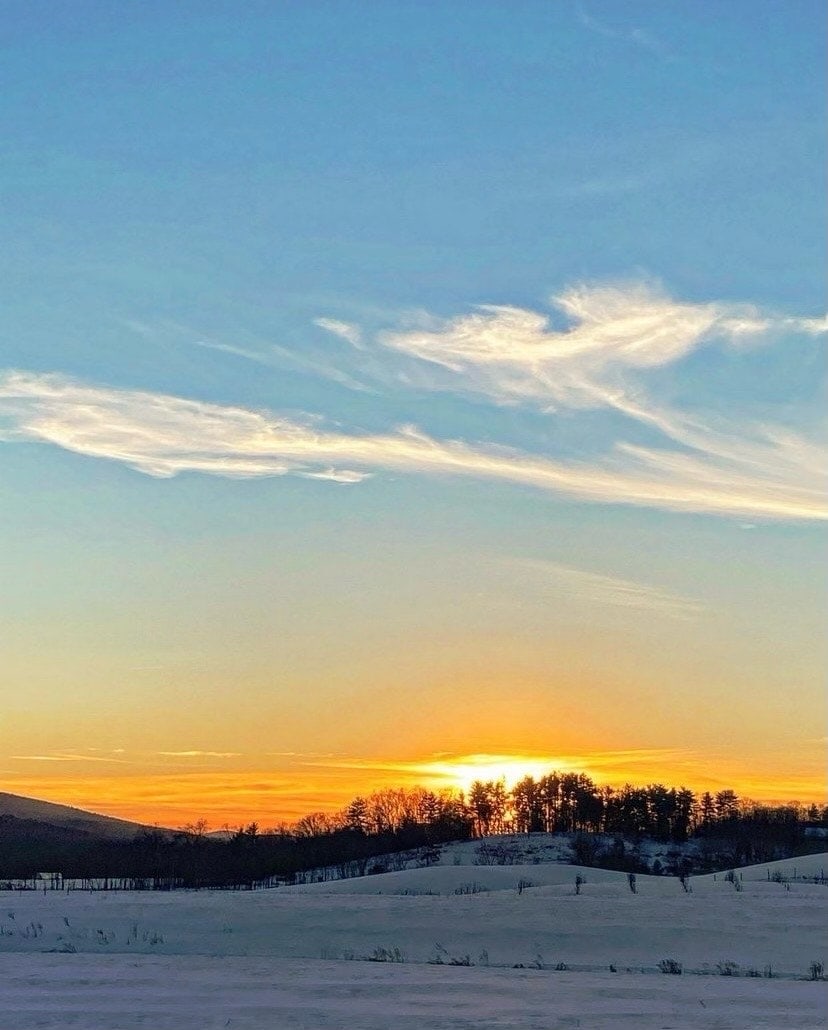
Kelder Farm (Kerhonkson, Ulster County)
A 61-acre section of the Kerhonkson agritourism destination has been saved for future farm use. (2023)
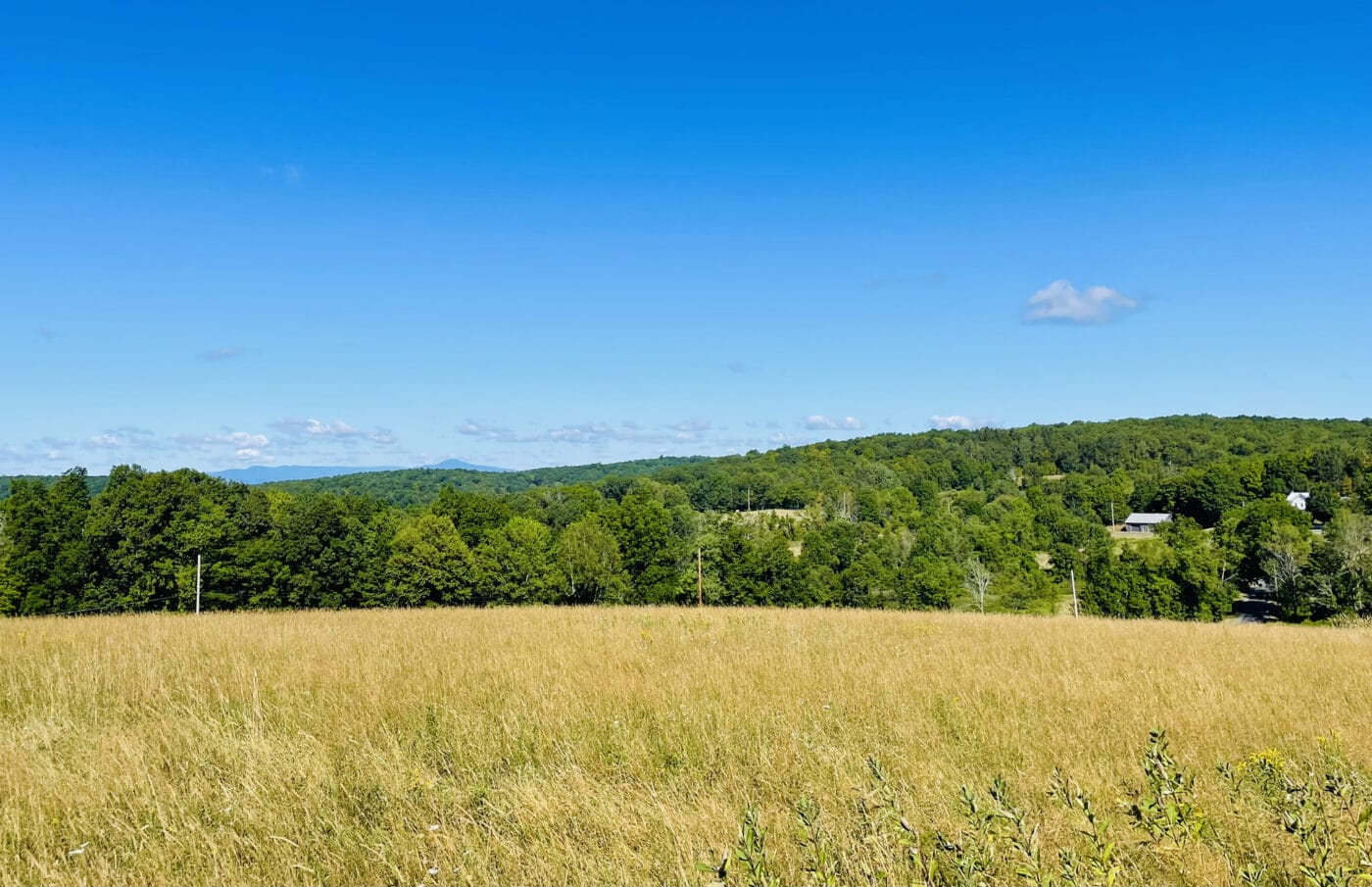
Nesbitt Farm (Town of Gallatin, Columbia County)
Conserving these 126 acres of woods and farmland helps sustain a wildlife corridor that will prove crucial in helping plants and animals survive projects climate impacts. 2023
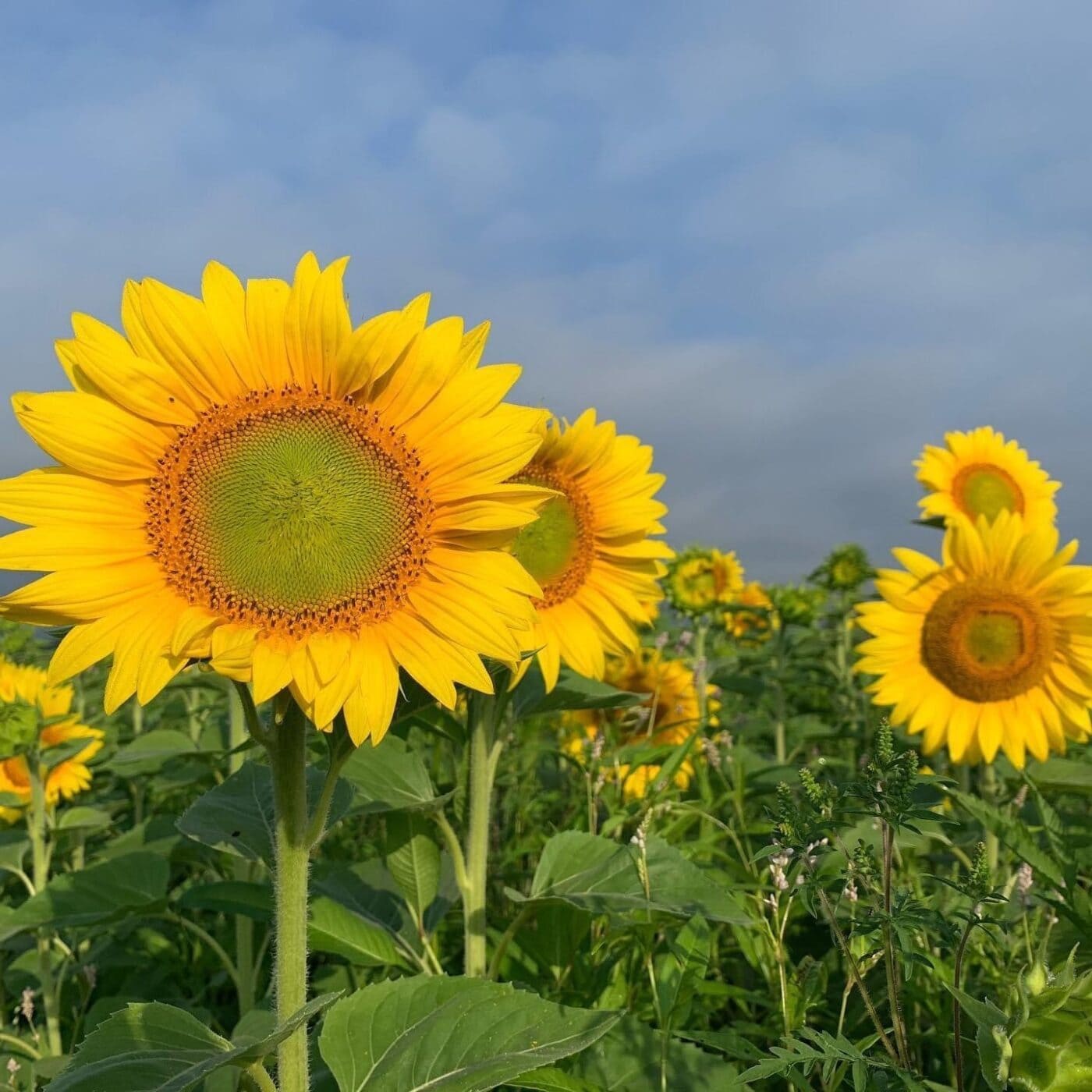
Kelder Farm (Kerhonkson, Ulster County)
We partnered with the family who has farmed this land for 200+ years to protect 157 acres that sustain their popular agri-tourism destination. 2022
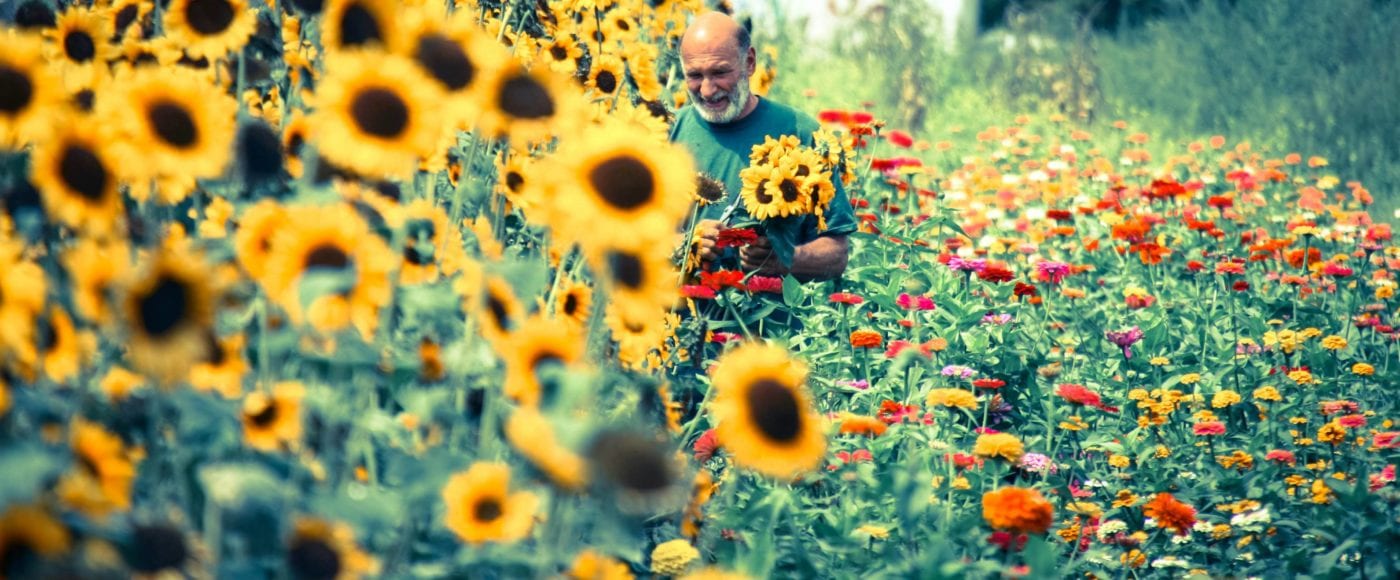
Lansing Farm (Colonie, Albany County)
Partnering with the Mohawk Hudson Land Conservancy, Equity Trust and a local friends group, we conserved this 20-acre farm, a Capital Region food staple owned by the same family since 1788. 2021