Defining Urban Biodiversity

Defining Urban Biodiversity is a multi-year research partnership between the Cary Institute of Ecosystem Studies, Scenic Hudson, and community members focused on what happens as a greater variety of plants and wildlife (biodiversity) return to urban environments in Kingston, Newburgh, and Poughkeepsie.

This research aims to document and discover the amazing variety of life and how it functions by using community science — a collaborative approach involving research and monitoring led by local residents, community groups, and partner organizations who actively participate in making observations and collecting data.

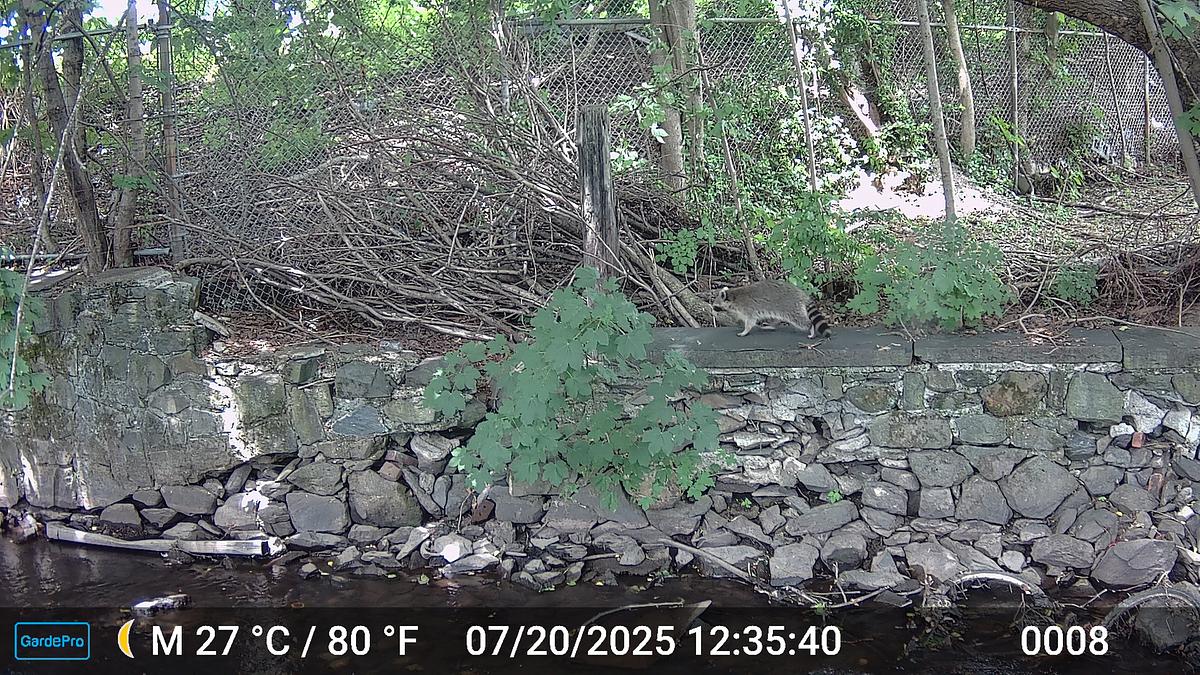
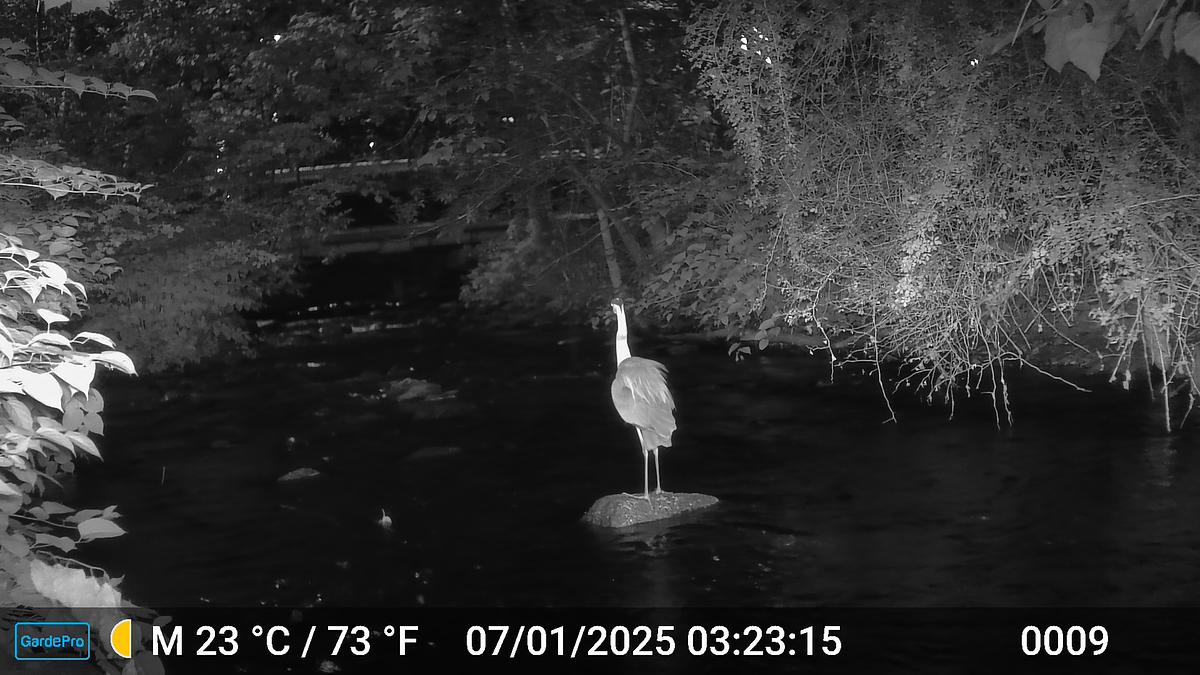
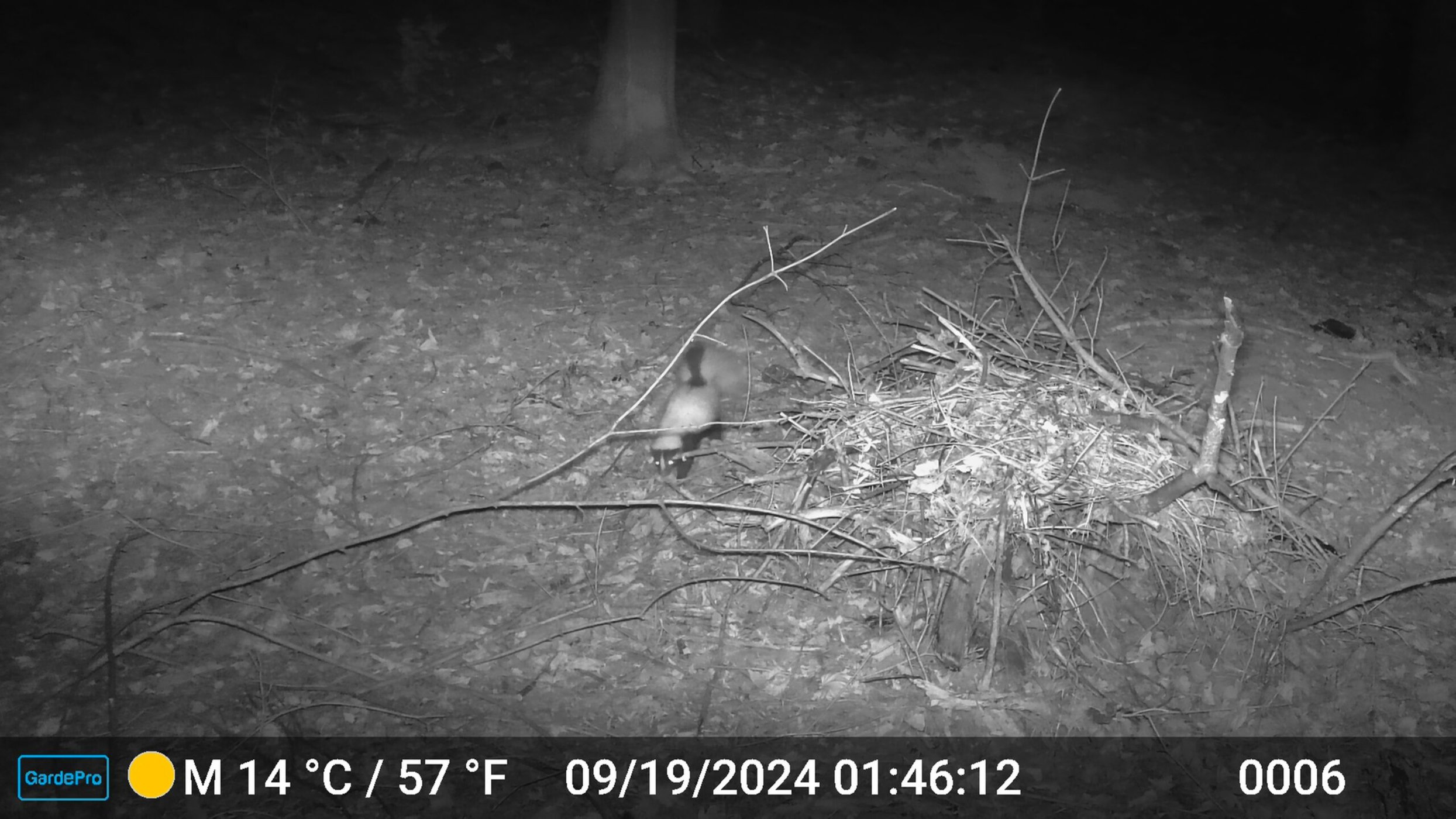
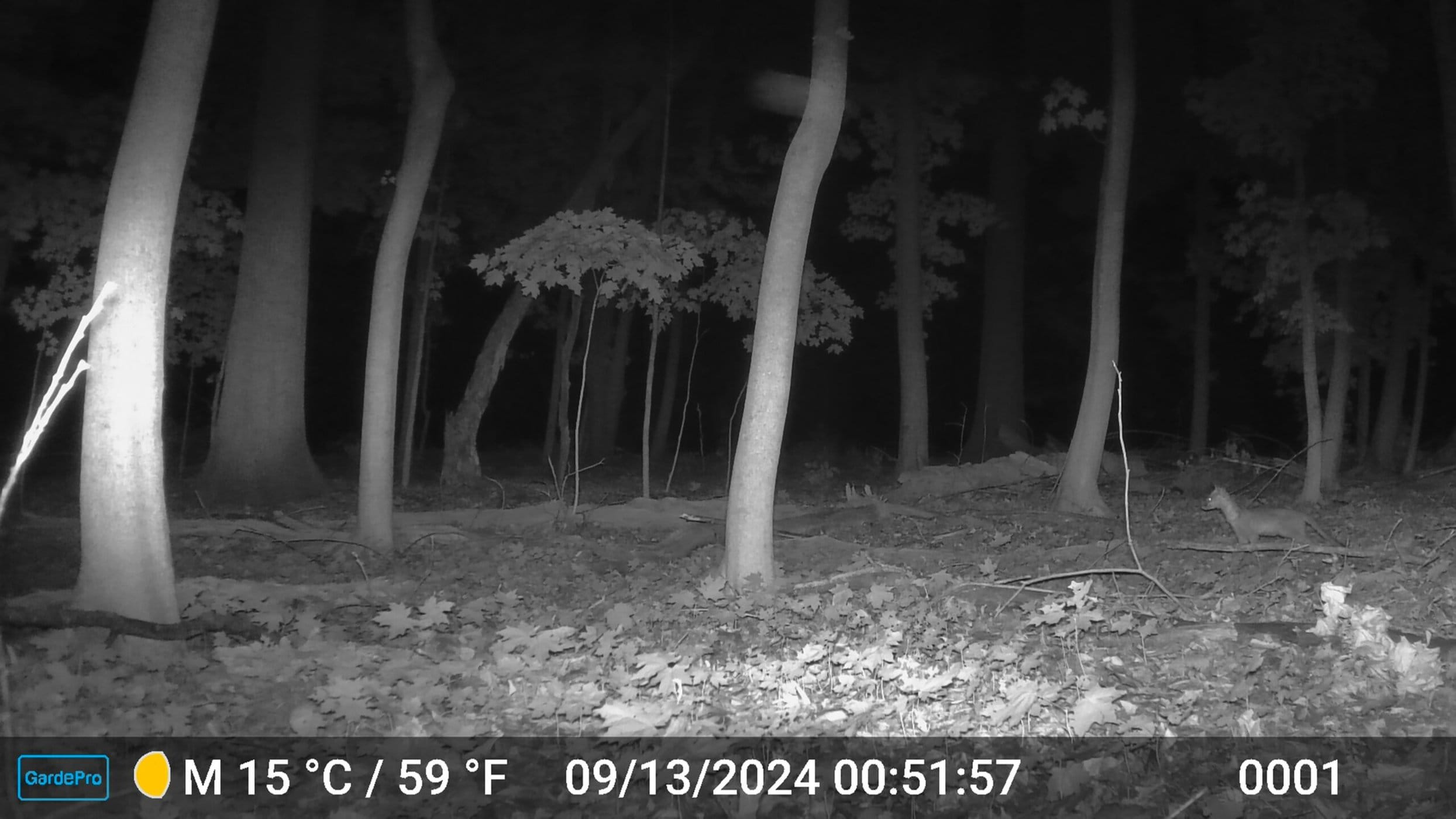
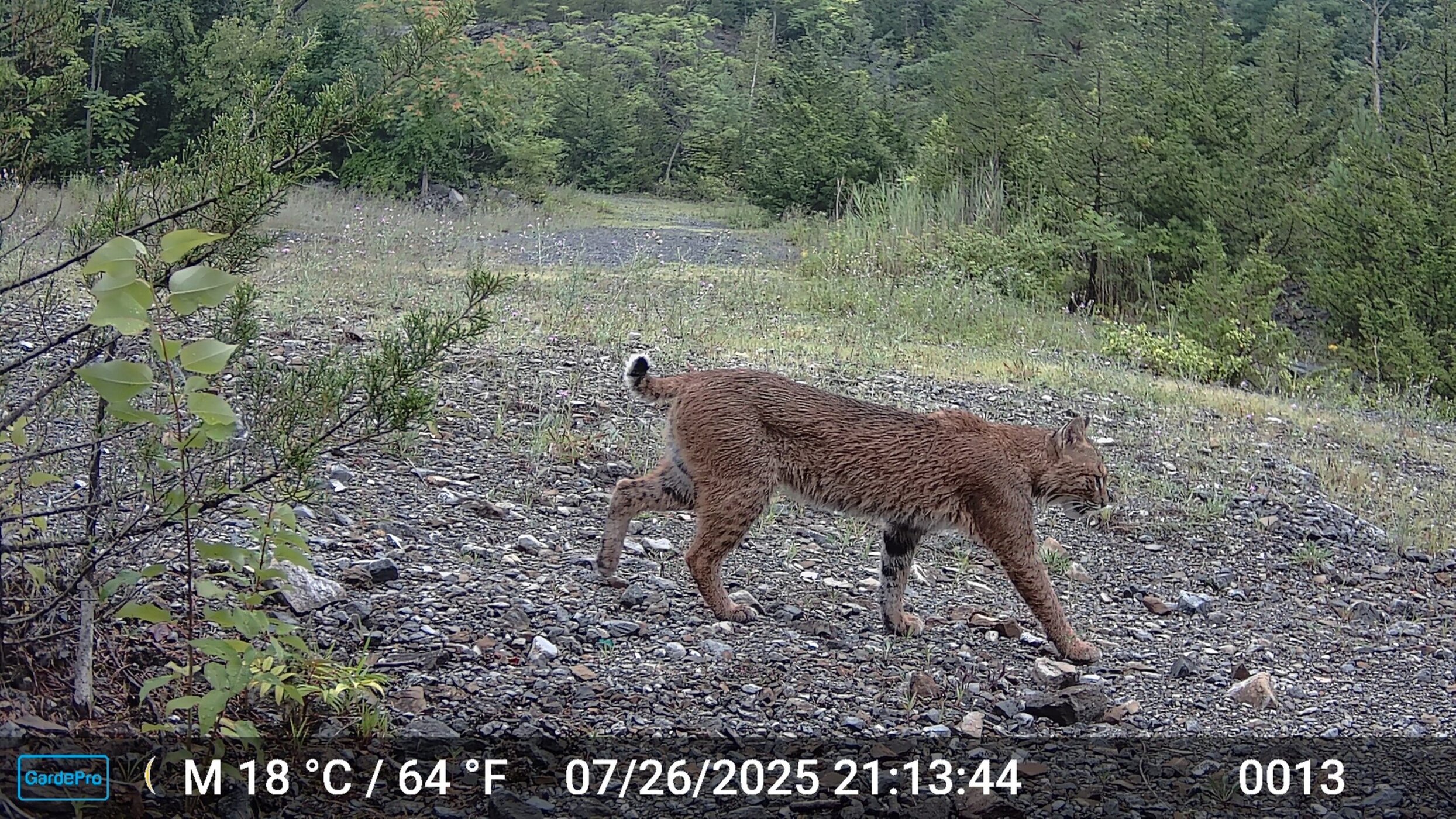
Biodiversity is not always documented or appreciated in cities as much as it is in rural settings. Yet urban areas are actually teeming with life! Raccoons, two species of fox, skunks, wood ducks, river otters, and deer are just some of the animals we’ve observed in cities.

We are working to improve urban parks, green spaces, and waterways, as well as to provide access to nature for all. Gathering this data in urban areas can help us plan, manage, and implement programs for open spaces that enhance experiences for both human and nonhuman life. Improved understanding of urban biodiversity can open up opportunities for people to connect with nature and for environmental education — both vital to community health and resilience. 

Over the next few years, Dr. Shannon LaDeau, an ecologist at the Cary Institute, will work with communities to collect local data to better define and understand urban biodiversity in the region. 

How to Get Involved in this Community Science Program:

  1. Sign up to volunteer through Scenic Hudson’s Volunteer Page.
  2. Create an iNaturalist account and join Defining Urban Biodiversity projects — you will be able to add biodiversity data on your own schedule and receive project updates about local efforts to collect data. 
  3. Reach out to Kayla Patel at kpatel@scenichudson.org with any questions or ideas for collaboration.


Please do not disturb the wildlife cameras you may see in green spaces throughout Poughkeepsie, Kingston, and Newburgh.

Browse the map below to see some of the sites we’re studying and observations made so far!

The photos below capture some of the wildlife we’re starting to observe! 
Mail In Donation

Poets Walk Park Sunset

Mail in Donation

If you prefer, you may also give by mail.
Make your check payable to Scenic Hudson and send to:

Scenic Hudson
Attn: Veronica Renzo
58 Parker Avenue
Poughkeepsie, NY 12601

GIVE US A HEADS UP!
Once we receive your donation, we’ll reach out with a confirmation.

Ya casi llega un nuevo mural a Northside — ¡ayuda a decidir cómo será!

En 2022, Scenic Hudson se asoció con jóvenes artistas de The Art Effect para iluminar la zona norte de Poughkeepsie con un mural vibrante. El mural original tuvo que ser retirado debido al deterioro del edificio y al desgaste general.

Se está preparando una nueva obra de arte para celebrar el Fall Kill — nuestro arroyo común que conecta vecindarios, da alimento a la vida silvestre e inspira el descubrimiento del medioambiente.

¿Qué crees que se debería destacar en este nuevo mural?

(encuesta en inglés)

Parking Rules at Scenic Hudson’s Northside Hub

A security or law enforcement officer may call to have vehicles towed for any of the following:

  • Weekdays only: No valid Scenic Hudson permit or visitor permit/pass. 
  • No after-hours parking (after close of Walkway, dusk). Violation of “No After-Hours Parking” rule (vehicle parked on private property after business is closed). No overnight parking.
  • No parking for:
    • vehicles over 8’ tall, due to limit of the solar canopy. There is an 8’ vehicle height limiter at entrance to 55 Parker Ave. 
    • boats
    • trailers 
    • campers 
    • motor homes 
    • tractor trailers or large (above 1 ton) commercial vehicles.  
  • Tow away zone. Sign posted and/or pavement markings.   
  • Fire lane. Vehicle parked in a designated fire lane.   
  • ADA violation. Vehicle parked in ADA space, ramp or unloading zone, with no ADA permit or expired ADA permit.  
  • Non Electric Vehicle (EV) in EV parking space – after 24 hours.
  • Reserved / assigned parking space. Vehicle is parked in a reserved or assigned parking space (could have resident/tenant or guest permit and be towed).
  • Non-customer (for future tenants). Vehicle operator is not a customer of this business located on the property.
  • Off pavement. Vehicle parked on grass, off the pavement, or on landscaping.
  • Blocking access. Vehicle hindering access, blocking dumpster, building entrances, loading docks, or zones, or parked in driveway, aisle, or next to a red curb.
  • Vehicle taking up two (2) parking spaces. (Parking line stripe must be down center of vehicle).
  • Hashed out space. Vehicle is parked in a non-parking space that has been hashed out and is primarily used for pedestrian access.  
  • Parked on the sidewalk. Vehicle is parked on the sidewalk.
  • Double parked. Vehicle is parked behind another vehicle.
  • Health hazard. Vehicle leaking fluids (federal or city environmental violation), full of trash or hazardous bios (rotten food or similar substances).   
  • Flat tire(s). Vehicles should receive notice for a minimum 24 hours before towing.
  • Wrecked or abandoned vehicle (i.e. broken window(s), vehicles on jacks, blocks, missing wheels, major parts, parked in same location for longer than 48 hours.) Vehicles should receive a notice for a minimum of 24 hours before towing.
  • For sale vehicle. Vehicle is parked in front row facing the street displaying a for sale sign. For sale vehicle to be removed after a 24-hour warning is given. 
  • No parking at any time. Vehicle is parked on property when posted “NO PARKING FOR ANYONE AT ANY TIME.” 


People Power: Concerned Citizens Help Shut Down Fracked Power Plant Expansion

Never underestimate the power of a small group of committed people to change the world. In fact, it is the only thing that ever has.” 

Margaret Mead

The Danskammer fracked-gas power plant on the Hudson River in the Town of Newburgh has been operating — approximately five days a year — since 1952. In 2018, the owners of the power plant announced their plans to build an additional plant at the site; this one would run virtually nonstop.

Local environmental groups and citizen activists sprung into action. Lobbying, writing to government officials, holding peaceful protests, and more.

In June 2024, after six years of opposition, Danskammer withdrew their application for a Title V air permit. Under the federal Clean Air Act, Danskammer cannot move forward with their proposal without this permit! This is a huge victory for local communities, the Stop Danskammer Coalition, and everyone in the Hudson Valley and the Northeast!

Ned Sullivan, President of Scenic Hudson says: “This is a major victory for clean air in the Hudson Valley and the Northeast, and will head off the emission of almost 2 million tons of carbon per year. In addition to being terrible for people’s health, the new plant would have been terrible for the climate, too. We thank Governor Hochul, the DEC, and Representative Pat Ryan for their leadership in opposing the permitting of the project. We also commend residents and our environmental partners in the region, who joined with Scenic Hudson in the campaign to stop the plant. The people have spoken! Clean energy is the future in New York State.”


To learn more about Scenic Hudson’s commitment to the Hudson River Valley please click here.


El poder del pueblo: Ciudadanía involucrada ayuda a detener la expansión de central a gas obtenido por fracturación

Nunca dudes que un pequeño grupo de personas comprometidas pueda cambiar el mundo. De hecho, es lo único que lo ha logrado.” 

Margaret Mead

La central a gas obtenido por fracturación Danskammer, situada en el Río Hudson, en la Ciudad de Newburgh, lleva funcionando aproximadamente cinco días al año desde 1952. En 2018, los propietarios de la central anunciaron sus planes de construir una planta adicional en ese terreno que funcionaría prácticamente sin parar.

Grupos ecologistas locales y la ciudadanía involucrada en activismo entraron en acción: Presionaron, escribieron a funcionarios del gobierno, organizaron protestas pacíficas y mucho más.

En junio de 2024, tras seis años de oposición, Danskammer retiró su solicitud de permiso Title V (sobre calidad del aire). En virtud de la Clean Air Act (Ley federal sobre Aire Limpio), Danskammer no puede seguir adelante con su propuesta sin este permiso. ¡Esta es una gran victoria para las comunidades locales, para la coalición Stop Danskammer Coalition, y para todas las personas que residen en el Valle del Hudson y el Noreste!

Ned Sullivan, Presidente de Scenic Hudson, afirma: “Es una gran victoria para el aire limpio en el Valle del Hudson y el Noreste que logrará evitar la emisión de casi 2 millones de toneladas de carbono al año. Además de ser terrible para la salud de las personas, la nueva central también lo habría sido para el clima. Agradecemos a la gobernadora Hochul, a la DEC y al Diputado Pat Ryan por su liderazgo en oponerse a la autorización del proyecto. También elogiamos a la población residente y a nuestros socios ambientalistas de la región, que colaboraron con Scenic Hudson en la campaña para detener la central. ¡El pueblo se ha pronunciado! La energía limpia es el futuro del Estado de Nueva York”.


To learn more about Scenic Hudson’s commitment to the Hudson River Valley please click here.


News

Check out our latest headlines, including media statements, noteworthy land saves, and other organizational news. Members of the press are invited to visit our Press Releases page for additional resources.