Partnerships, coalitions, and working groups are critical channels for collaboration — especially when it comes to understanding and protecting nature in the Hudson Valley. When we put our scientific expertise and resources together, we can accomplish more than we ever could apart. These exchanges also help us stay up-to-date with the latest knowledge in our region and beyond.
Scenic Hudson is collaborating with fellow scientists, like-minded partners, and enthusiastic community members on a variety of research initiatives to contribute to a stronger, more resilient Hudson Valley.
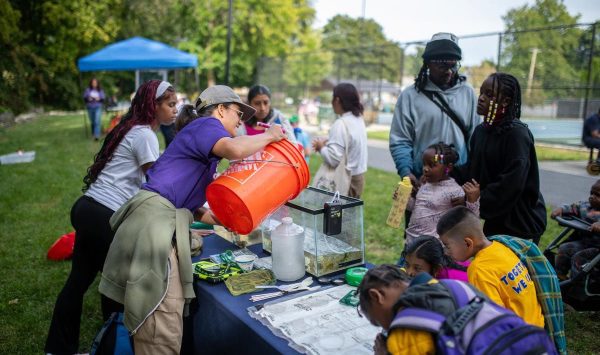
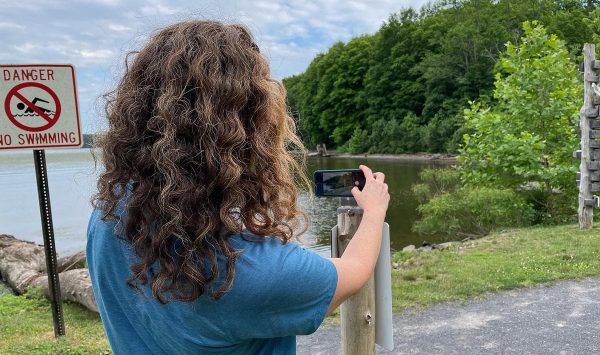
With the Cary Institute of Ecosystem Studies, we’re tackling gaps in urban wildlife data by engaging community members through the Defining Urban Biodiversity study. Together, we’re using ecological protocols and community observations — including those gathered at group scavenger hunts called BioBlitzes — to catalogue the biodiversity, or variety of life, in Hudson Valley cities. The results could inform urban planning decisions to better support plants and wildlife, including how and where parks are developed.
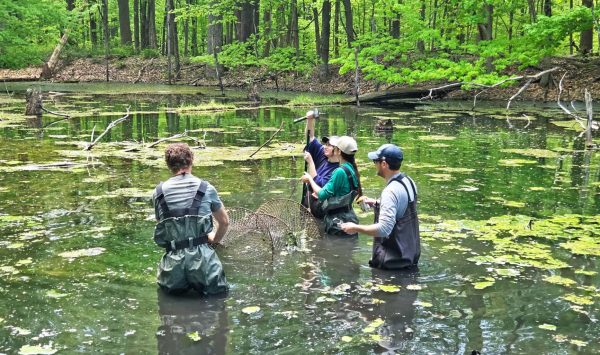
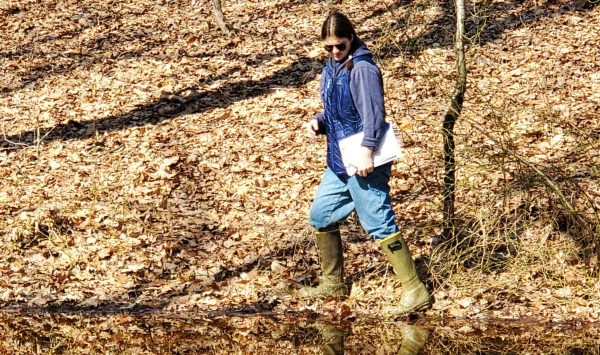
We also collaborate with local colleges and universities to learn more about our region’s natural resources while supporting the next generation of scientific professionals. We’ve been working with Marist University professors and their undergraduate students to monitor and document the health of hemlock trees in our preserves as part of a statewide initiative. With Marist students, we’re also studying temporary wetlands called vernal pools to understand whether the amphibians who rely on them are being impacted by broader changes to the landscape and climate. And in collaboration with Vassar College, we are working to grow the supply of regionally sourced native plants that are available for ecosystem restoration projects.
In addition, we make many pieces of land that we conserve available to outside researchers to help answer novel questions for plants and wildlife. At Mawignack Preserve and Falling Waters Preserve, a Cornell University researcher deployed acoustic monitoring devices to study differences in bird diversity across areas where forest restoration projects are underway — a project that can inform future conservation.
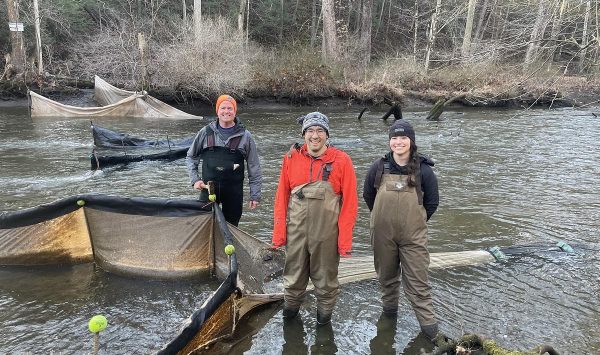
At the regional level, we work with a group of partners to conduct regional science and share resources through the Environmental Monitoring and Management Alliance (EMMA). We coordinate the Alliance to ensure the research conducted on our properties is standardized so our data can be compared with the data of others. We are also active members of the Lower Hudson Partnership for Regional Invasive Species Management alongside several other regional working groups.